
Deborah Richardson
LCSWTennessee · 45 yrs exp
LCSW - Anxiety and Trauma
Stress, Anxiety · Trauma and abuse · Depression · Coping with life changes · +8 more
Read profileTherapist listings come from BetterHelp. We will earn a commission at no extra cost to you if you use our links to buy.
Welcome to our directory of licensed online therapists serving Tennessee. All therapists listed here hold a valid Tennessee license and list a range of therapeutic approaches and focus areas. Explore profiles to compare credentials, languages, and methods to find a counselor who aligns with your needs.
Tennessee · 45 yrs exp
LCSW - Anxiety and Trauma
Stress, Anxiety · Trauma and abuse · Depression · Coping with life changes · +8 more
Read profile
Tennessee · 25 yrs exp
Dr. Beverley Taylor, LPC - Anxiety and OCD related concerns
Stress, Anxiety · Addictions · Relationship · Self esteem · +13 more
Read profile
Tennessee · 35 yrs exp
Licensed Clinical Social Worker - Anxiety and Stress
Stress, Anxiety · Grief · Self esteem · Depression · +8 more
Read profile
Tennessee · 5 yrs exp
Licensed counselor - Anxiety and addictions
Stress, Anxiety · Addictions · Trauma and abuse · Self esteem · +1 more
Read profile
Tennessee · 5 yrs exp
Licensed Professional Counselor - anxiety and trauma
Stress, Anxiety · Trauma and abuse · Anger · Self esteem · +14 more
Read profile
Tennessee · 10 yrs exp
Tennessee psychologist - anxiety and relationships
Stress, Anxiety · Relationship · Trauma and abuse · Depression · +1 more
Read profile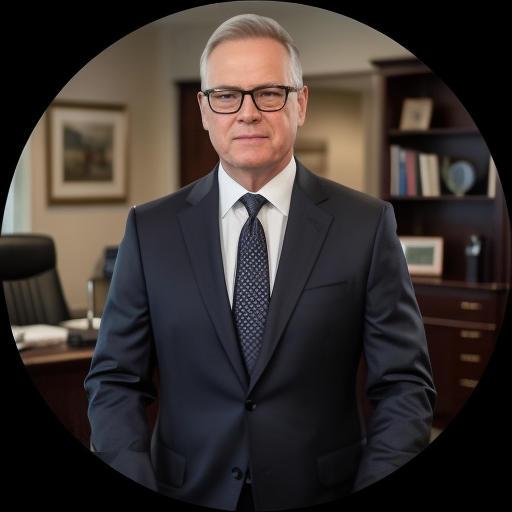
Tennessee · 30 yrs exp
Licensed counselor - relationships and mood
Relationship · Trauma and abuse · Self esteem · Bipolar · +13 more
Read profile
Tennessee · 25 yrs exp
LPC in Tennessee - OCD and hoarding focus
Stress, Anxiety · Addictions · Trauma and abuse · Intimacy-related issues · +10 more
Read profile
Tennessee · 25 yrs exp
Licensed Clinical Social Worker - OCD and hoarding focus
Stress, Anxiety · Trauma and abuse · Self esteem · Depression · +14 more
Read profile
Tennessee · 10 yrs exp
Licensed Professional Counselor - Anxiety and Relationships
Stress, Anxiety · Relationship · Self esteem · Depression · +1 more
Read profile
Tennessee · 28 yrs exp
Tennessee psychologist - anxiety and relationships
Stress, Anxiety · Relationship · Grief · Depression · +10 more
Read profile
Tennessee · 6 yrs exp
LPC-MHSP - relationships and OCD concerns
Stress, Anxiety · Addictions · Relationship · Intimacy-related issues · +4 more
Read profile
Tennessee · 11 yrs exp
Licensed Professional Counselor - Anxiety and Hoarding
Stress, Anxiety · Trauma and abuse · Self esteem · Depression · +14 more
Read profile
Tennessee · 8 yrs exp
Licensed Clinical Social Worker - OCD and hoarding focus
Stress, Anxiety · Addictions · Trauma and abuse · Self esteem · +13 more
Read profile
Tennessee · 10 yrs exp
LCSW - addiction and trauma work
Addictions · Trauma and abuse · Grief · Bipolar · +1 more
Read profile
Tennessee · 20 yrs exp
Licensed Professional Clinical Counselor - Stress and Hoarding
Stress, Anxiety · Family · Grief · Depression · +1 more
Read profile
Tennessee · 20 yrs exp
Dr. Tara Harvey, LPC - OCD and hoarding related concerns
Stress, Anxiety · Addictions · Trauma and abuse · Anger · +16 more
Read profile
Tennessee · 8 yrs exp
LCSW - anxiety and relationship concerns
Stress, Anxiety · Relationship · Anger · Self esteem · +11 more
Read profile
Tennessee · 26 yrs exp
LCSW - Anxiety and relationship concerns
Stress, Anxiety · Relationship · Trauma and abuse · Self esteem · +12 more
Read profile
Tennessee · 20 yrs exp
LPC-MHSP counselor - anxiety and OCD
Stress, Anxiety · Anger · Depression · Coping with life changes · +10 more
Read profile
Tennessee · 15 yrs exp
Licensed Clinical Social Worker - OCD and hoarding focus
Stress, Anxiety · Parenting · Anger · Self esteem · +12 more
Read profile
Tennessee · 20 yrs exp
LCSW - Anxiety and Life Changes
Stress, Anxiety · Eating · Depression · Coping with life changes · +1 more
Read profile
Tennessee · 8 yrs exp
Licensed Professional Counselor - Anxiety and Addiction
Addictions · Trauma and abuse · Bipolar · Stress, Anxiety · +9 more
Read profile
Tennessee · 4 yrs exp
LPC in Tennessee - anxiety and addictions
Addictions · Trauma and abuse · Self esteem · Depression · +16 more
Read profileIf you are looking for mental health support from across Tennessee, online therapy can expand the options available to you. Therapists who are licensed in Tennessee may offer services through video, phone, or text-based messaging systems, and many list a variety of approaches and specializations on their profiles. Because state licensure governs the practice of mental health counseling, a clinician must be licensed to practice in Tennessee to provide clinical services to someone located in the state. That means when you choose an online therapist here, you are working with someone who is authorized to practice under Tennessee rules, which helps you know where to direct questions about license status or professional oversight.
Online therapy is not a single mode of care; it is a way of delivering counseling. Therapists who list cognitive behavioral approaches, psychodynamic perspectives, mindfulness-based methods, or other modalities on their profiles may adapt those approaches for remote work. You will often see profile details about credentials, the populations a clinician works with, languages spoken, and the issues they commonly address. Those profile elements can help you narrow options before making contact and asking specific questions about fit and method.
When you choose online therapy in Tennessee, you gain practical flexibility that can make it easier to fit counseling into your life. Remote sessions remove travel time and allow you to access clinicians outside your immediate city or town, which is especially useful in rural areas where in-person options may be limited. You can more readily schedule appointments around work, family responsibilities, or school, and you can select a therapist whose language and cultural background align with your needs even if they are not located in your county.
Online therapy also supports continuity when schedules change or when you move within the state. You can continue work with a therapist who understands your history without the interruption of transferring to a new provider. Additionally, the online format can make it simpler to involve family members or partners in sessions when appropriate, because participants can join from different locations. Many people appreciate the broader selection of therapeutic styles and clinicians you can review online, allowing you to focus on matching approach and experience to your concerns rather than limiting choices to nearby offices.
Online therapists in Tennessee work with a wide range of concerns, often addressing mood and anxiety-related issues, grief and loss, relationship and family challenges, stress from work or caregiving, and transitions such as relocation or changes in life roles. You will find clinicians who describe experience with trauma-related concerns, parenting and family dynamics, issues related to identity and gender, and support for chronic health conditions. Therapists who list EMDR among their approaches may include trauma-focused work among the services they describe, though profiles indicate approaches rather than verified certifications.
People also seek online counseling for problem-solving around substance use, for coping with life changes like retirement or job loss, and for support managing symptoms that affect day-to-day functioning. If you are dealing with school or campus-related stress, workplace conflict, or challenges in intimate relationships, many clinicians outline these focus areas on their profiles. Reading a therapist’s description can help you see whether they commonly work with concerns similar to yours, and you can look for mentions of populations served, such as adolescents, adults, couples, or older adults, to find a better fit.
Before you commit to working with a clinician, you may want to confirm their license status. Start by noting the therapist’s full name and any license designation listed on their profile, such as LPC, LCSW, LMFT, or psychologist. Many profiles include a license number; if that is present, you can use it in a search. The quickest way to verify licensure is to use the Tennessee state licensing board search tools or the department that oversees the specific profession. These online lookup tools let you confirm whether a license is active, view the license type and expiration date, and see whether any disciplinary actions or public orders are recorded against the license.
If you prefer, you can call or email the appropriate licensing board with the therapist’s name to ask about status or restrictions. When you check records, look for the license board that corresponds to the clinician’s credential to ensure you are reviewing the correct data. If you have questions about how to interpret a board listing, a phone contact with the licensing office can often clarify terms and the meaning of any public notes. Verifying a license gives you accurate background information and a clear channel to raise concerns with the governing body if needed.
Getting started with online therapy begins with clarifying your goals. Think about what you want to address in counseling - whether you seek symptom relief, strategies for coping, relationship support, or long-term personal growth. Use those goals to guide the profile filters and search terms you apply when reviewing therapists. Look closely at the approaches a clinician lists and how they describe their work. Remember that listing an approach, such as EMDR, indicates it is among the methods they use rather than a statement about external certification or training.
When you narrow a few profiles, pay attention to credentials, populations served, languages spoken, and the practical information on payment methods. Cost and insurance acceptance vary, so plan to ask a clinician or their administrative contact about fees, whether they bill insurance, and how payments are handled. It is sensible to ask how the therapist adapts their methods for online sessions and what technology they use. You should also ask about policies such as cancellations, session length, and how they handle emergencies or referrals if you need immediate help. Make sure you will have a quiet quiet space during sessions to protect your privacy and concentration. Trust your sense of fit; many people find a brief introductory call or message helps them decide whether a clinician’s approach and interpersonal style feel right.
Choosing a therapist is as much about relationship as it is about technique. Consider whether you prefer a clinician who emphasizes practical strategies, a reflective exploratory style, or a collaborative strengths-based approach. If cultural background, language, or shared identity matters to you, look for those details on profiles and bring them up when you connect. You can prepare a few questions in advance about experience with your particular concern, typical session structure, and what a few early sessions might focus on. Taking the time to match your goals with a therapist’s approaches and descriptive experience increases the likelihood that your online sessions will feel relevant and productive.
As you explore online therapists in Tennessee, use profiles to compare the elements that matter most to you: clinical approach, credentials, languages, and populations served. Verify license status through state resources, prepare practical questions about technology and payment, and choose a setting in your home or workplace where you can participate without interruption. By focusing on fit and clear communication up front, you will be better positioned to begin meaningful work with a counselor who aligns with your needs.
Addictions
2393 therapists
ADHD
2258 therapists
Anger
2726 therapists
Autism
1081 therapists
Bipolar
2273 therapists
Control Issues
2624 therapists
Depression
3716 therapists
Eating Disorders
1270 therapists
Grief
2918 therapists
Guilt and Shame
3270 therapists
Hoarding
1395 therapists
Impulsivity
2559 therapists
Isolation / Loneliness
3130 therapists
Mood Disorders
3003 therapists
Panic Disorder and Panic Attacks
2987 therapists
Phobias
1836 therapists
Post-Traumatic Stress
3142 therapists
Postpartum Depression
1817 therapists
Self Esteem
3437 therapists
Sleeping Disorders
1357 therapists
Social Anxiety and Phobia
3394 therapists
Stress & Anxiety
3917 therapists
Trauma and Abuse
3333 therapists
Trichotillomania
596 therapists
Attachment Issues
2560 therapists
Body Image
2018 therapists
Career
2208 therapists
Codependency
2566 therapists
Communication Problems
3314 therapists
Coping with Life Changes
3195 therapists
Family
2912 therapists
Forgiveness
2980 therapists
Life Purpose
3109 therapists
Parenting
2480 therapists
Relationship
3255 therapists
Self-Love
3039 therapists
Workplace Issues
2587 therapists