Counselor profile
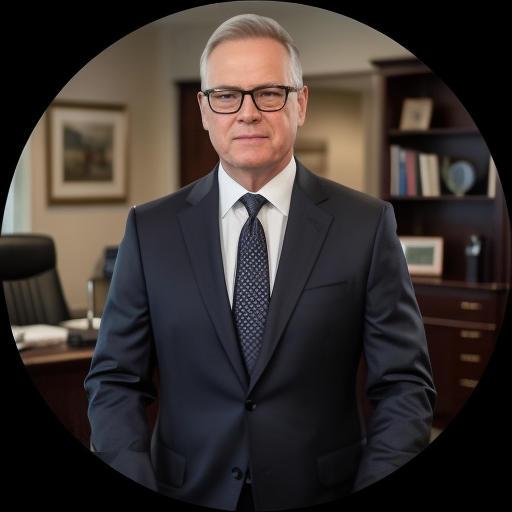
Dr. Edward Varner
LPC-MHSP
Licensed counselor - relationships and mood
License and NPI on record
- Credentials
- LPC-MHSP
- License
- LPC-MHSP, Tennessee · No. 3516
- NPI
- 1023581758
- Experience
- 30 years
- Languages
- English, Japanese
- State
- Tennessee
As supplied to BetterHelp. A license can be checked with the state board, and an NPI with the national NPI registry.
- Cognitive Behavioral Therapy
- Acceptance and Commitment Therapy
- Attachment-based work
About Edward
Dr. Edward Varner is a Tennessee LPC-MHSP with 30 years of clinical experience. He works with people facing depression, anxiety, relationship strain, trauma and mood concerns. He also lists areas such as ADHD, parenting stress, grief, and sexual and intimacy-related issues among his focus areas.
He uses straightforward talk therapy and evidence-based methods to help people reduce distress and regain daily functioning. Sessions focus on practical skills for emotion regulation, communication, and behavior change rather than abstract theories. He draws from Cognitive Behavioral Therapy (CBT), Acceptance and Commitment Therapy (ACT), Dialectical Behavior Therapy (DBT) and attachment-based ideas to shape treatment plans.
Dr. Varner notes that his practice reflects Christian values and a conservative perspective, and he invites people who prefer that orientation. He also lists experience with veterans, first responders, and men, and works with people navigating multicultural and family-of-origin concerns. He provides services in English and Japanese.
Over three decades he has helped people manage symptoms from trauma, mood disorders, and life transitions. Expect focused sessions that practice specific skills, discuss how patterns formed, and set short-term behavioral goals. He encourages clients to try exercises between sessions and to track small changes.
To start, readers should use the site button to view online therapy options and complete the brief matching questionnaire before scheduling a first appointment.
How his approaches translate to online work
Dr. Varner commonly draws on Cognitive Behavioral Therapy and Acceptance and Commitment Therapy to address distress. CBT focuses on identifying unhelpful thinking and testing small behavioral experiments to reduce avoidance and compulsive responses. ACT uses mindfulness and values-guided action to help people live a meaningful life despite difficult thoughts and feelings.He also integrates attachment-based ideas to look at patterns in close relationships and how those patterns affect current reactions. That approach helps with communication problems, intimacy concerns, and longstanding family-of-origin issues by tracing how early relationships shaped current responses.
Finding the right mix of approaches is a collaborative process. He will talk with each person about goals, preferences and what has or hasn't worked before, and then try methods that fit those needs. Progress is tracked with concrete steps and homework so adjustments can be made if something isn’t helping.
Session formats are not specified here, so confirm available online options before booking. Online work can make it easier to fit sessions into a busy week, allow shorter check-ins when schedules are tight, and reduce travel time. If there are timing or language needs, note them in the matching questionnaire so arrangements can be discussed.
Areas of expertise
Primary focus
Also works with
Additional focus areas
Therapeutic approaches
Experience
30+ years
Credentials
Tennessee
Languages
English, Japanese
Frequently asked questions
What issues does he commonly address?
He works with depression, anxiety, relationship problems, trauma, bipolar and related mood concerns. Additional areas include parenting stress, grief, ADHD and intimacy-related issues.
What kind of approach does he use in sessions?
He uses practical, skills-focused therapy drawing on CBT, ACT, DBT and attachment-based ideas. Sessions emphasize exercises and behavior changes you can practice between meetings.
How long has he been practicing?
He has 30 years of clinical experience working with people across a range of life challenges and mood disorders.
What are his credentials and where is he located?
He is a Tennessee LPC-MHSP and practices from Tennessee.
Which languages are supported?
Sessions are offered in English and Japanese.
Can people outside the U.S. work with him?
He accepts international clients; confirm legal and time zone details during the sign-up process.
How are sessions arranged and paid for?
Costs vary by location and sessions use a subscription that can be canceled at any time. Exact pricing is provided during signup.
How do I begin working with him?
Use the See online therapy options button, complete the short matching questionnaire, and schedule your first session.
Before you reach out
- Check that the state license on record covers the state you live in.
- If exposure and response prevention (ERP) or another method matters to you, ask whether and how this counselor uses it.
- You do not need to explain every thought or ritual at the start. One example is enough.
- A profile shows the topics a counselor lists; it is not a diagnosis or a promise of results.
If you feel unsafe right now, call or text 988, or call 911.