
Rebecca Wedel
LCSWTexas · 9 yrs exp
Licensed Clinical Social Worker - anxiety and caregiving focus
Addictions · Trauma and abuse · Grief · Self esteem · +11 more
Read profileTherapist listings come from BetterHelp. We will earn a commission at no extra cost to you if you use our links to buy.
A Licensed Clinical Social Worker (LCSW) is a master's-level clinician who has completed graduate training, supervised clinical experience, and state licensure to provide psychotherapy and related services. Browse the verified LCSW therapists below to explore clinicians by approach, specialty, language, and location.
Texas · 9 yrs exp
Licensed Clinical Social Worker - anxiety and caregiving focus
Addictions · Trauma and abuse · Grief · Self esteem · +11 more
Read profile
Florida · 28 yrs exp
Licensed Clinical Social Worker - OCD and hoarding focus
Stress, Anxiety · Trauma and abuse · Self esteem · Depression · +8 more
Read profile
New York · 20 yrs exp
LCSW - Addiction and trauma-focused care
Addictions · Trauma and abuse · Self esteem · Depression · +12 more
Read profile
Wisconsin · 30 yrs exp
LCSW - stress and mood concerns
Stress, Anxiety · Grief · Eating · Self esteem · +1 more
Read profile
Kentucky · 24 yrs exp
Licensed clinical social worker - relationships and mood
Relationship · Trauma and abuse · Depression · Coping with life changes · +1 more
Read profile
Illinois · 10 yrs exp
LCSW in Illinois - Anxiety and Relationship work
Stress, Anxiety · Relationship · Trauma and abuse · Self esteem · +13 more
Read profile
Louisiana · 29 yrs exp
LCSW - anxiety and obsessive concerns
Stress, Anxiety · Anger · Self esteem · Depression · +9 more
Read profile
Colorado · 12 yrs exp
LCSW in Colorado - anxiety and trauma care
Stress, Anxiety · Trauma and abuse · Grief · Depression · +9 more
Read profile
Utah · 30 yrs exp
LICSW LCSW - Anxiety and Trauma
Stress, Anxiety · Trauma and abuse · Grief · Anger · +1 more
Read profile
New York · 10 yrs exp
LCSW - Addictions and hoarding care
Addictions · Intimacy-related issues · Parenting · Career · +1 more
Read profile
Florida · 23 yrs exp
LICSW LCSW - LGBT and intimacy concerns
LGBT · Intimacy-related issues
Read profile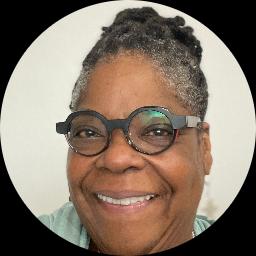
Louisiana · 38 yrs exp
Dr. Orlise Aubrey - LCSW, anxiety and relationships
Stress, Anxiety · Relationship · Self esteem · Bipolar · +11 more
Read profile
New York · 27 yrs exp
LCSW - Anxiety and OCD focus
Stress, Anxiety · Trauma and abuse · Self esteem · Depression · +1 more
Read profile
Texas · 16 yrs exp
LCSW - Anxiety and Hoarding
Stress, Anxiety · Family · Trauma and abuse · Depression · +1 more
Read profile
Kentucky · 27 yrs exp
Licensed Clinical Social Worker - Anxiety and Trauma
Stress, Anxiety · Trauma and abuse · Anger · Self esteem · +1 more
Read profile
New York · 3 yrs exp
LCSW in New York - OCD and hoarding focus
Stress, Anxiety · Relationship · Self esteem · Depression · +1 more
Read profile
Florida · 21 yrs exp
LCSW - OCD and hoarding focused care
Stress, Anxiety · Relationship · Trauma and abuse · Depression · +13 more
Read profile
California · 8 yrs exp
LCSW in California - OCD and hoarding focuses
Stress, Anxiety · Relationship · Self esteem · Bipolar · +9 more
Read profile
Texas · 17 yrs exp
Licensed Clinical Social Worker - Anxiety and Relationship concerns
Stress, Anxiety · Relationship · Depression · Family · +7 more
Read profile
Kentucky · 17 yrs exp
Licensed Clinical Social Worker - OCD and hoarding focus
Stress, Anxiety · Addictions · LGBT · Relationship · +16 more
Read profile
Colorado · 8 yrs exp
LCSW counselor - anxiety and relationship concerns
Stress, Anxiety · Relationship · Trauma and abuse · Grief · +16 more
Read profile
Nevada · 32 yrs exp
LCSW - Anxiety and Hoarding-focused care
Stress, Anxiety · Relationship · Family · Trauma and abuse · +12 more
Read profile
California · 11 yrs exp
LCSW - grief and life transitions
Stress, Anxiety · Family · Trauma and abuse · Grief · +12 more
Read profile
Wisconsin · 5 yrs exp
LCSW - Anxiety and relationship concerns
Stress, Anxiety · Relationship · Trauma and abuse · Grief · +1 more
Read profileWhen you see the LCSW designation it reflects a structured professional pathway. Most people who become LCSWs complete a Master of Social Work (MSW) program that includes clinical coursework and field practicum. After graduation, candidates typically accumulate a period of supervised clinical experience under a licensed clinician while developing assessment and intervention skills. That supervised experience is followed by a state licensure process, which usually includes passing a standardized clinical exam and submitting verifiable documentation to the state social work board. The exact length and requirements vary by state, but the general arc combines graduate education, guided practice, and a licensing assessment designed to confirm readiness for independent clinical work.
Because the LCSW credential is issued at the state level, the title indicates that the clinician met that state’s criteria at the time of licensure. If you want to understand a clinician’s specific training timeline, you can look for information about their degree institution, practicum settings, and supervised experience. These elements help explain how a clinician developed the clinical judgment and client-facing skills that you will interact with in therapy.
An LCSW is qualified to provide psychotherapy and clinical assessments, and many also perform case management and systems-level advocacy. In practical terms, that means an LCSW may work with individuals, couples, families, and groups to address mental health concerns, life transitions, and interpersonal challenges. LCSWs often bring a perspective that considers social context, such as relationships, work, housing, and community resources, in addition to psychological symptoms. This systems-oriented lens can shape how they approach care, particularly when social and environmental factors are relevant to your situation.
Comparing LCSWs with other license types can help you choose the right professional for your needs. Psychologists hold doctoral degrees and may focus on psychological testing and research-based assessment. Licensed professional counselors often have master's degrees in counseling and emphasize talk therapy and skill-based interventions. Marriage and family therapists focus on relationship dynamics and family systems. While there is overlap in the kinds of clinical work these professionals do, LCSWs are distinct in their training in social systems and in many cases in their involvement with community resources, care coordination, and advocacy on behalf of clients.
You will find LCSW therapists working across a wide range of clinical areas. Many list specialties in mood disorders such as depression and anxiety, trauma-related concerns, grief and loss, substance use, and life-stage transitions including parenting and caregiving stress. Because LCSWs are trained to see clients within their social contexts, you will also encounter clinicians who emphasize work with populations impacted by housing instability, immigration-related stress, community trauma, or chronic health conditions. Some LCSWs focus on family and relationship issues, while others center their work on developmental concerns, adolescent mental health, or geriatrics.
Approaches vary from clinician to clinician. You may find therapists who list cognitive-behavioral approaches, psychodynamic perspectives, trauma-informed care, strengths-based work, or solution-focused strategies among their methods. When you read a profile, note language about populations served and approaches used; if an approach resonates with you, look for profiles that state that approach explicitly. Remember that a clinician listing an approach indicates they include it among their methods rather than confirming formal certification in a specific technique.
If you want to verify that a clinician holds an active LCSW credential, start with the state social work licensing board where the clinician practices. Most state boards provide an online license lookup that lets you search by name or license number to confirm licensure status, expiration date, and any public disciplinary records. If a web lookup is not available, you can contact the board by phone for the same information. A licensed clinician should be able to provide a license number and the state that issued it. You can also ask about the year of licensure and the jurisdiction that governs their practice.
In addition to board verification, reviewing a clinician’s educational background and supervised practice can offer context about their training. If you have questions about gaps, transitions, or the scope of services a clinician offers, asking directly for clarification is reasonable. Verifying licensure protects you as a consumer and helps you make informed choices about who will provide your care.
Choosing an LCSW therapist can offer particular advantages depending on what you need. If your concerns intersect with social systems - such as work stress, family challenges, housing, or legal and educational systems - an LCSW’s training in social context and resource navigation can be especially helpful. Many LCSWs integrate psychotherapy with practical assistance, referring you to community programs or coordinating with other services when that is relevant to your care. Their education emphasizes a person-in-environment viewpoint, which can result in plans that address both individual coping skills and external factors that influence well-being.
Another benefit is the range of settings in which LCSWs practice. You may encounter LCSWs in outpatient therapy, community mental health centers, hospitals, schools, and non-profit programs. Those varied settings can translate into experience working with diverse populations and systems. If you value a clinician who can situate symptoms within broader life circumstances and help connect you to practical supports, an LCSW may match your expectations.
When you begin your search, think about what matters most to you. Consider clinical focus - for example, trauma, anxiety, or family therapy - as well as practice approaches and cultural or linguistic match. Look for profiles that state the populations the clinician works with and the modalities they list among their approaches. If you prefer a clinician who mentions particular work with adolescents, veterans, or caregiving families, use those cues to narrow your options. You can also prioritize practical concerns such as whether the clinician works with your insurance plan or offers a setting that meets your needs.
When you contact a clinician, prepare a short set of questions to understand how they approach care. You might ask about their experience working with problems like yours, how they describe their therapeutic approach, and what you can expect from an initial session. It is also reasonable to ask about session length, typical frequency, and the ways they coordinate with other professionals if relevant. Trust your sense of fit - the relationship you build with your therapist matters. If you do not feel comfortable after a few sessions, you can continue your search until you find a clinician whose style and perspective align with your goals.
Finding the right LCSW may take time, but focusing on credentials, clinical focus, and the relationship style you prefer will help you make a choice that supports your goals. Use license verification tools, read clinician profiles carefully, and ask targeted questions to determine whether a particular LCSW is a good match for your needs.