Counselor profile
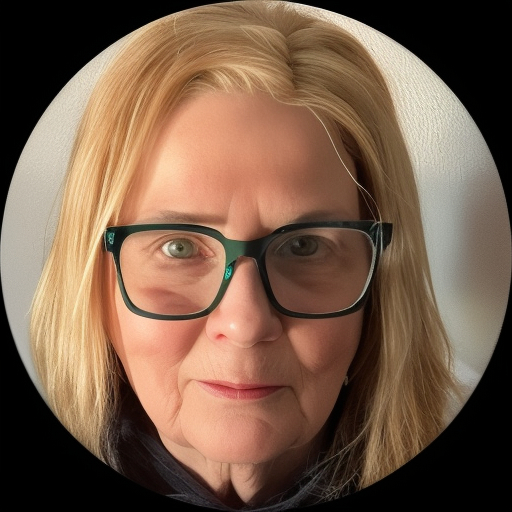
Shirley Williams
LCSW, CSW
LCSW in Colorado - trauma and relationship concerns
License and NPI on record
- Credentials
- LCSW, CSW
- License
- LCSW, Colorado · No. CSW.00991632
- NPI
- 1871210203
- Experience
- 35 years
- Languages
- English
- State
- Colorado
As supplied to BetterHelp. A license can be checked with the state board, and an NPI with the national NPI registry.
- EMDR approaches
- Narrative therapy
- Somatic tools
About Shirley
Shirley Williams is a Colorado LCSW (Licensed Clinical Social Worker) with 35 years of experience. She supports people coping with relationship strain, trauma and abuse, grief, anxiety, obsessions and compulsions, and many related concerns. Her work often addresses stress, parenting pressures, caregiving burden, and difficulties with intimacy and control.
Shirley trained in psychology and social work at Wayne State University and completed a two-year intensive family therapy program early in her career. She has worked in health care, hospice, schools, foster care and adoption services, and pregnancy support programs. That broad practice has shaped how she approaches hard situations and life changes.
Her clinical work combines trauma-focused methods with somatic ideas. She has a background in massage and bodywork and sometimes brings movement, sound, or clay-based activities into sessions. These tools are introduced in ways that fit the person and the concern being addressed.
She uses Eye Movement Desensitization and Reprocessing (EMDR) as one of her approaches and has incorporated techniques such as the Flash Technique into trauma work. Narrative Therapy and Trauma-Focused Therapy are also part of her practice when they match a client’s goals.
Shirley presents information plainly and focuses on practical steps people can use between sessions. She invites questions about how methods like EMDR or expressive approaches might fit with someone’s priorities before scheduling ongoing work.
How EMDR, narrative and trauma work translate to online sessions
EMDR is a set of techniques that help process distressing memories and strong reactions by using guided attention and bilateral stimulation. It is commonly used for post-traumatic stress and other trauma-related problems. Narrative Therapy focuses on the stories people tell about themselves and their lives, separating the person from the problem and allowing new perspectives to emerge. Trauma-Focused Therapy targets the effects of trauma directly, using focused strategies to reduce the hold of traumatic memories and teach coping skills.Finding the right approach is a shared process. The therapist will discuss goals, preferences, and any concerns and then recommend which method or combination makes sense. That plan can shift as work progresses, keeping the client's needs and pace at the center of decisions.
Confirm the available session formats before booking because the biography does not list specific delivery options. Online work can make sessions easier to fit into a busy week, allow shorter check-ins when needed, and reduce travel time. It also makes it possible to use movement, sound, or art-based activities in a virtual session when appropriate. Talk with the therapist about practical arrangements and how different approaches would be adapted for remote work.
Areas of expertise
Primary focus
Also works with
Additional focus areas
Therapeutic approaches
Experience
35+ years
Credentials
Colorado
Languages
English
Frequently asked questions
What kinds of concerns does she help with most?
She works with relationship strain, trauma and abuse, grief, anxiety, obsessions and compulsions, and related issues such as parenting stress, caregiver burden, and life transitions.
What therapeutic approaches does she use?
Her practice includes Eye Movement Desensitization and Reprocessing (EMDR), Narrative Therapy, and Trauma-Focused Therapy, with somatic and expressive tools added when helpful.
How much experience does she have?
She has 35 years of clinical experience working in settings like hospice, schools, foster care, and health care.
What credentials and location are listed?
She holds LCSW and CSW credentials and practices in Colorado as a State of Colorado licensed mental health provider.
Which languages are supported and can she see international clients?
Sessions are offered in English. She is not accepting international clients.
What session formats are available?
Please confirm current session options before booking since the biography does not list specific formats.
How does cost work for sessions?
Costs vary by location, and sessions use a subscription that can be canceled at any time.
How do I begin working with her?
Select the See online therapy options button, complete a short matching questionnaire, and schedule a first session.
Before you reach out
- Check that the state license on record covers the state you live in.
- If exposure and response prevention (ERP) or another method matters to you, ask whether and how this counselor uses it.
- You do not need to explain every thought or ritual at the start. One example is enough.
- A profile shows the topics a counselor lists; it is not a diagnosis or a promise of results.
If you feel unsafe right now, call or text 988, or call 911.