
Jessica Odell
LCSW, CSWColorado · 12 yrs exp
LCSW in Colorado - anxiety and trauma care
Stress, Anxiety · Trauma and abuse · Grief · Depression · +9 more
Read profileTherapist listings come from BetterHelp. We will earn a commission at no extra cost to you if you use our links to buy.
Welcome to our directory of online therapists serving Colorado. All therapists listed here are licensed to practice in Colorado so you can review credentials with confidence. Explore profiles to compare approaches, experience, languages and areas of focus.
Colorado · 12 yrs exp
LCSW in Colorado - anxiety and trauma care
Stress, Anxiety · Trauma and abuse · Grief · Depression · +9 more
Read profile
Colorado · 8 yrs exp
LCSW counselor - anxiety and relationship concerns
Stress, Anxiety · Relationship · Trauma and abuse · Grief · +16 more
Read profile
Colorado · 11 yrs exp
Licensed Professional Counselor - anxiety and relationships
Stress, Anxiety · LGBT · Trauma and abuse · Anger · +15 more
Read profile
Colorado · 7 yrs exp
Licensed Professional Counselor - OCD and hoarding focus
Stress, Anxiety · Relationship · Family · Trauma and abuse · +11 more
Read profile
Colorado · 4 yrs exp
LCSW - Anxiety and Mood Concerns
Stress, Anxiety · Trauma and abuse · Self esteem · Bipolar · +1 more
Read profile
Colorado · 3 yrs exp
LCSW - anxiety and stress support
Stress, Anxiety · Trauma and abuse · Self esteem · Depression · +1 more
Read profile
Colorado · 12 yrs exp
LCSW - Anxiety and Mood Concerns
Stress, Anxiety · Trauma and abuse · Self esteem · Bipolar · +1 more
Read profile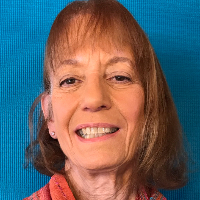
Colorado · 15 yrs exp
Licensed Professional Counselor - Anxiety and Addiction
Stress, Anxiety · Addictions · Trauma and abuse · Anger · +6 more
Read profile
Colorado · 7 yrs exp
Licensed Professional Counselor - anxiety and relationships
Stress, Anxiety · Relationship · Family · Anger · +4 more
Read profile
Colorado · 7 yrs exp
Licensed Clinical Social Worker - OCD and hoarding focus
Stress, Anxiety · Relationship · Trauma and abuse · Self esteem · +15 more
Read profile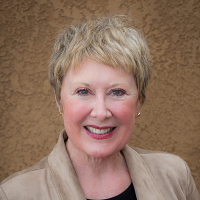
Colorado · 27 yrs exp
Dr. Christine Wilcox LCSW LISW - Women's mental health and anxiety
Stress, Anxiety · Relationship · Trauma and abuse · Grief · +16 more
Read profile
Colorado · 9 yrs exp
LCSW in Colorado - Anxiety and OCD focus
Stress, Anxiety · Relationship · Grief · Depression · +11 more
Read profile
Colorado · 18 yrs exp
Licensed counselor - Anxiety and addictions
Stress, Anxiety · Addictions · Relationship · Self esteem · +15 more
Read profile
Colorado · 15 yrs exp
LCSW - Anxiety and Hoarding focus
Stress, Anxiety · Grief · Depression · Coping with life changes · +10 more
Read profile
Colorado · 26 yrs exp
Licensed counselor - relationships and obsessions
Stress, Anxiety · Addictions · Relationship · Intimacy-related issues · +1 more
Read profile
Colorado · 7 yrs exp
Licensed Professional Counselor - Anxiety and Hoarding
Stress, Anxiety · Trauma and abuse · Grief · Self esteem · +3 more
Read profile
Colorado · 30 yrs exp
LCSW - stress, anxiety, grief
Stress, Anxiety · Trauma and abuse · Grief · Self esteem · +1 more
Read profile
Colorado · 13 yrs exp
LCSW - Anxiety and OCD support
Stress, Anxiety · Trauma and abuse · Self esteem · Bipolar · +1 more
Read profile
Colorado · 19 yrs exp
LCSW - Anxiety and Relationship concerns
Stress, Anxiety · Relationship · Trauma and abuse · Grief · +12 more
Read profile
Colorado · 10 yrs exp
LCSW counselor - anxiety and trauma
Stress, Anxiety · Trauma and abuse · Self esteem · Depression · +1 more
Read profile
Colorado · 29 yrs exp
LCSW in Colorado - Anxiety and Stress
Stress, Anxiety · Relationship · Family · Anger · +13 more
Read profile
Colorado · 30 yrs exp
Licensed clinical social worker - OCD and hoarding focus
Stress, Anxiety · Addictions · Relationship · Family · +13 more
Read profile
Colorado · 8 yrs exp
Licensed Clinical Social Worker - Anxiety and Hoarding
Stress, Anxiety · Relationship · Trauma and abuse · Grief · +14 more
Read profile
Colorado · 24 yrs exp
Licensed Professional Counselor - OCD and hoarding
Stress, Anxiety · Trauma and abuse · Parenting · Self esteem · +13 more
Read profileIf you live in Colorado, online therapy has become a common option for accessing mental health care across mountain towns, suburbs and urban centers. Providers who offer sessions remotely use video, phone or text-based messaging to meet with people across the state. Because Colorado regulates professional licensing, therapists who provide remote services to Colorado residents will indicate a Colorado license or the credential that allows them to practice in the state. That regulatory framework shapes how online therapy is offered, and it helps you focus your search on clinicians who work with Colorado residents.
Online therapy availability varies by area, specialism and language, but many counselors list a range of approaches and populations they work with, from adolescent concerns to geriatric transitions. For people in rural counties, seasonal workers in mountain communities and those balancing busy schedules, remote sessions can expand your options beyond what is available in your immediate town. You will see profiles that highlight therapy approaches, professional credentials and areas of focus so you can identify clinicians whose experience aligns with your needs.
Licensure determines where a clinician is permitted to provide services. If you are physically located in Colorado when you meet with a therapist, that clinician must be authorized to practice in Colorado. Many therapists who list online services will indicate their state licensure and their professional background so you can verify that they are permitted to work with residents of Colorado. Keep this in mind when you search and when you contact a therapist to ask about any regulatory considerations related to telehealth.
Online therapy offers practical advantages that address common barriers to accessing counseling in Colorado. You can avoid long drives over mountain passes during winter storms, save time that would otherwise be spent commuting, and access clinicians who specialize in particular issues even if those specialists are based in another city. For people with mobility limitations or chronic health conditions, remote sessions reduce physical strain and make it easier to attend regularly.
Beyond logistics, many people find that remote sessions allow them to connect from a comfortable setting - whether that is your home, a parked car between appointments, or another quiet location. This can reduce the stress of traveling and help you focus on the therapeutic work. Online therapy can also broaden your choices if you want to work with a clinician who shares your cultural background, speaks your preferred language, or lists experience with specific populations such as parents, college students, veterans or the LGBTQ community.
While online therapy increases convenience, it also requires attention to technology, privacy in your chosen space, and a plan for urgent situations. Make sure you can access a reliable internet connection or phone line for a consistent experience. If you live near an area with intermittent service, you may want to discuss backup plans with a therapist before beginning sessions. You should also confirm any insurance coverage for telehealth services and ask how a clinician manages billing and documentation for remote care.
Therapists who offer online services in Colorado work with a broad array of concerns, from everyday stress and life transitions to more complex emotional challenges. Many profiles note experience addressing anxiety, depression, relationship stress, grief, parenting difficulties and workplace concerns. You will also find clinicians who list approaches for trauma-related concerns, including therapists who list EMDR among their approaches, and those who emphasize modalities such as cognitive behavioral therapy, acceptance and commitment therapy, dialectical behavior therapy, internal family systems or mindfulness-based strategies.
Online therapy is often used for ongoing symptom management, skill building, coping with chronic illness, adjusting to major life changes and working through interpersonal conflicts. Couples and family sessions can be conducted online when both people are in Colorado, and some therapists specifically list couples or family therapy among their specialties. For people experiencing a crisis or severe risk of harm, online therapy may not be the appropriate immediate response. If you are in crisis, reach out to local emergency services or crisis lines in your area for immediate assistance.
When reviewing profiles, pay attention to the kinds of issues a therapist mentions and the approaches they list. If you are looking for symptom-focused strategies, therapists who list cognitive behavioral approaches may describe structured work on thoughts and behaviors. If you prefer a relational or exploratory style, therapists who list psychodynamic, humanistic or internal family systems approaches may describe a different pacing and focus. Because profiles reflect what therapists choose to highlight, reading descriptions carefully helps you identify clinicians whose orientation matches your preferences.
Verifying a therapist's licensure is a practical step you can take before starting online therapy. Colorado maintains public license lookup tools through state regulatory agencies where you can search by name, license number or profession. A license lookup will typically show the clinician's license type, status, expiration date and any disciplinary actions or public complaints. These records help you confirm that the clinician is authorized to practice in Colorado and whether the license is current.
When you perform a search, use the full name listed on the therapist's profile and any license number provided. If the therapist practices under a different name, such as a nickname, cross-check other professional details like city or credential to confirm the match. You can also contact the state board directly if you have questions about a license record or need clarification about what a record shows. Checking licensure is an objective step that complements reading a clinician's profile and can increase your confidence in choosing a provider.
Licensing rules often require that a clinician be licensed in the state where the client is physically located during a session. If you travel outside Colorado and plan to continue remote sessions, ask the clinician how that is handled and whether their license covers practice in the place where you will be located. For the most straightforward arrangement, working with a clinician who holds a Colorado license ensures their authority to provide care while you are in the state.
Getting started begins with reflecting on your goals for therapy and the qualities that matter to you in a clinician. Think about whether you prefer a therapist who emphasizes practical coping strategies, one who focuses on understanding patterns from the past, or a clinician experienced with specific life stages or cultural backgrounds. Use the directory to compare profiles by approaches, credentials and languages. Pay attention to how clinicians describe their work with particular populations, such as youth, parents, veterans or adult survivors of trauma.
Once you identify a few profiles that appeal to you, reach out to ask practical questions. You can inquire about session length, typical frequency, fee structure, and whether they use video, phone or messaging. Ask about their experience working with your specific concern and about their privacy practices and how they handle records and communication. If insurance is part of your plan, ask whether the clinician provides documentation for reimbursement or whether they list experience working with specific insurers.
For the first session, prepare by noting your goals and any questions about the therapist's approach. Test your technology before the session and arrange a quiet space where you can speak without interruptions. It helps to have a short list of situations you want to address so the therapist can suggest a focus and possible strategies. After a few sessions, reflect on fit - do you feel heard, understood and able to work toward your goals with this clinician? If the fit is not right, it is reasonable to seek another therapist whose style or focus aligns better with your needs.
Choosing a therapist is a personal process. Give yourself time to review profiles thoughtfully, verify licensure details, and prepare for initial conversations. With careful consideration and practical steps, you can find an online therapist in Colorado whose approach and experience support the progress you want to make.
Addictions
2393 therapists
ADHD
2258 therapists
Anger
2726 therapists
Autism
1081 therapists
Bipolar
2273 therapists
Control Issues
2624 therapists
Depression
3716 therapists
Eating Disorders
1270 therapists
Grief
2918 therapists
Guilt and Shame
3270 therapists
Hoarding
1395 therapists
Impulsivity
2559 therapists
Isolation / Loneliness
3130 therapists
Mood Disorders
3003 therapists
Panic Disorder and Panic Attacks
2987 therapists
Phobias
1836 therapists
Post-Traumatic Stress
3142 therapists
Postpartum Depression
1817 therapists
Self Esteem
3437 therapists
Sleeping Disorders
1357 therapists
Social Anxiety and Phobia
3394 therapists
Stress & Anxiety
3917 therapists
Trauma and Abuse
3333 therapists
Trichotillomania
596 therapists
Attachment Issues
2560 therapists
Body Image
2018 therapists
Career
2208 therapists
Codependency
2566 therapists
Communication Problems
3314 therapists
Coping with Life Changes
3195 therapists
Family
2912 therapists
Forgiveness
2980 therapists
Life Purpose
3109 therapists
Parenting
2480 therapists
Relationship
3255 therapists
Self-Love
3039 therapists
Workplace Issues
2587 therapists