Counselor profile
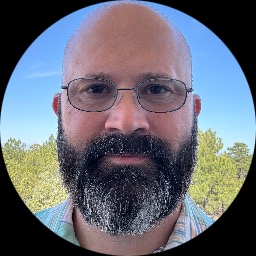
Paul Brunner
LCSW, CSW
LCSW counselor - anxiety and trauma
License and NPI on record
- Credentials
- LCSW, CSW
- License 1
- LCSW, North Carolina · No. C007062
- License 2
- LCSW, Colorado · No. CSW.09926354
- NPI
- 1659517837
- Experience
- 15 years
- Languages
- English
- State
- Colorado
As supplied to BetterHelp. A license can be checked with the state board, and an NPI with the national NPI registry.
- Cognitive Behavioral Therapy
- Dialectical Behavior Therapy
- EMDR and mindfulness
About Paul
Paul Brunner is a Licensed Clinical Social Worker (LCSW) and a Certified Social Worker (CSW) with 15 years of experience. He works with stress, anxiety, trauma and abuse, anger, depression, compassion fatigue, LGBT concerns, family-related struggles, sleep problems, self-esteem, career issues, bipolar disorder, and ADHD. Paul also focuses on body image, communication problems, control issues, disaster-related coping, divorce and separation, domestic violence, addiction, eating concerns, family of origin issues, first responder issues, guilt and shame, impulsivity, isolation, men’s issues, and midlife struggles.
Paul trained in the Army beginning in 1999 and completed his MSW while enlisted. He has served as an active duty social worker and completed an additional tour as an Army officer. He holds LCSW credentials in Colorado and also holds an LCSW credential in North Carolina.
His clinical work includes a range of therapies that fit different problems. He uses Cognitive Behavioral Therapy (CBT) to help people notice and change patterns that increase anxiety or low mood. He draws on Dialectical Behavior Therapy (DBT) skills for emotional regulation and distress tolerance. He also uses Eye Movement Desensitization and Reprocessing (EMDR) for trauma-focused work and mindfulness-based practices for stress reduction.
Paul has provided trauma-based therapies and substance use treatment for veterans and has delivered specialized care to people who have experienced domestic violence or sexual abuse. He aims to identify practical steps a person can take between sessions. He invites clients to set goals, try techniques in daily life, and review what helps.
He practices in Colorado and offers sessions in English. Before booking, people should confirm current session options and scheduling details.
How his methods translate to online sessions
Paul uses Cognitive Behavioral Therapy to help people spot thoughts and behaviors that keep anxiety and low mood active, then practices new ways of responding. CBT often involves exercises to try between sessions and focused problem-solving in session.He applies Dialectical Behavior Therapy skills to teach emotional regulation and distress tolerance, useful for overwhelming anxiety or anger. EMDR is used when trauma memories are part of the problem; it offers a structured way to work through traumatic material alongside grounding and processing techniques.
Finding the right approach is a collaborative process. The therapist will talk with each person about goals and preferences, then try methods that fit those needs. Techniques can be adjusted as progress or challenges appear.
Confirm current session options before booking, as formats are not specified here. Online sessions can make it easier to fit therapy into a busy life, reduce travel time, and allow shorter check-ins when needed. Discuss scheduling and practical needs with the clinician when you complete the matching questionnaire so sessions match everyday routines.
Areas of expertise
Primary focus
Also works with
Additional focus areas
Therapeutic approaches
Experience
15+ years
Credentials
North Carolina, Colorado
Languages
English
Frequently asked questions
What concerns does he commonly address?
He works with stress, anxiety, trauma and abuse, anger, depression, compassion fatigue, sleep problems, self-esteem, bipolar disorder, ADHD, and related concerns.
What is his therapeutic approach like?
He uses practical, skills-based approaches such as CBT and DBT and incorporates trauma-focused methods like EMDR and mindfulness practices.
How long has he worked in mental health?
He has 15 years of experience, including roles as an Army mental health technician, active duty social worker, and an Army officer.
Which credentials and location apply to his practice?
He holds LCSW and CSW credentials and practices in Colorado; he also holds an LCSW credential in North Carolina.
What languages are sessions offered in?
Sessions are offered in English.
Does he accept international clients?
He does not accept international clients currently.
How are costs and billing handled?
Cost varies by location; sessions use a subscription that can be canceled at any time.
How do I begin working with him?
Start by selecting the See online therapy options button, complete a short matching questionnaire, and schedule a first session.
Before you reach out
- Check that the state license on record covers the state you live in.
- If exposure and response prevention (ERP) or another method matters to you, ask whether and how this counselor uses it.
- You do not need to explain every thought or ritual at the start. One example is enough.
- A profile shows the topics a counselor lists; it is not a diagnosis or a promise of results.
If you feel unsafe right now, call or text 988, or call 911.