Counselor profile
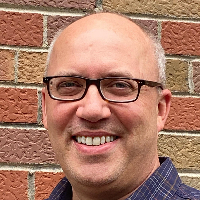
Walter Scull
LPC
Licensed Professional Counselor - anxiety and life changes
License and NPI on record
- Credentials
- LPC
- License
- LPC, Missouri · No. 2016040412
- NPI
- 1306469960
- Experience
- 7 years
- Languages
- English
- State
- Missouri
As supplied to BetterHelp. A license can be checked with the state board, and an NPI with the national NPI registry.
- Client-Centered Therapy
- Cognitive Behavioral Therapy
- Solution-Focused work
About Walter
Walter Scull is a Licensed Professional Counselor (LPC) in Missouri with seven years of counseling experience. He works with adults and teens on concerns such as stress, anxiety, depression, relationship problems, grief, and coping with life changes.
He uses clear, practical methods in session. Walter commonly draws on Client-Centered Therapy, Solution-Focused approaches, and Cognitive Behavioral Therapy (CBT) to teach coping skills and reduce distressing symptoms. He aims to show straightforward strategies patients can practice outside sessions.
His background includes a master’s degree in Counseling from the University of Missouri–Saint Louis and postgraduate certifications in clinical telemental health and clinical trauma. Before counseling, he served in the United States Coast Guard and worked in corporate sales, experiences he says inform his practical approach.
Walter helps people dealing with a wide range of concerns including trauma recovery, ADHD and autism spectrum issues, parenting and parent coaching, caregiver stress, career and college coaching, and challenges faced by first responders, veterans, and healthcare workers. He also addresses intimacy-related issues, anger management, and self-esteem concerns.
In sessions he may teach and practice coping skills, review thought patterns, and set small, achievable goals. He uses mainstream, evidence-based methods and often blends approaches to match what a person needs. Clients who value direct, skills-focused work may find this style fits their needs.
How his approaches translate to online sessions
Client-Centered Therapy here means the therapist listens closely and works from the client’s perspective to set goals and guide sessions. It helps when people want someone who responds to their priorities and feedback rather than following a fixed script.Cognitive Behavioral Therapy (CBT) focuses on identifying unhelpful thoughts and practicing different responses. It is useful for anxiety, low mood, and repetitive thinking patterns because it breaks down problems into small, testable steps.
Mindfulness Therapy introduces attention and breathing practices to reduce reactivity and improve focus. These skills pair well with CBT when someone wants tools for managing stress in the moment.
Finding the right approach is collaborative. Walter will work with each person to choose or combine methods based on their goals, comfort, and progress. He checks in about what is helping and adjusts plans as needed.
Confirm the specific session formats before booking, since the biography does not list exact options. Online work can make therapy easier to fit into daily life - for example, shorter check-ins can be scheduled during a lunch break, and sessions that do not require video can reduce bandwidth needs. Talk with the therapist about what setup fits your routine and which methods you want to focus on.
Areas of expertise
Primary focus
Also works with
Additional focus areas
Therapeutic approaches
Experience
7+ years
Credentials
Missouri
Languages
English
Frequently asked questions
What kinds of concerns does he address most often?
He commonly helps with stress, anxiety, depression, relationship problems, grief, trauma recovery, ADHD, parenting issues, and coping with life changes.
What is his therapeutic style like?
Sessions focus on practical skills and clear techniques. He often uses Client-Centered, Solution-Focused, and CBT methods to teach coping strategies.
How much clinical experience does he have?
He has seven years of counseling experience working with teens and adults, along with prior service in the United States Coast Guard and corporate experience.
What are his credentials and where is he based?
He is a Licensed Professional Counselor (LPC) practicing in Missouri with a master’s degree in Counseling from the University of Missouri–Saint Louis.
In which language are sessions offered?
Sessions are offered in English and he accepts international clients.
What session formats are available?
Please confirm current session options before booking, as the biography does not list specific formats.
How are fees handled?
Cost varies with location and sessions use a subscription that can be canceled at any time.
How do I begin working with him?
Start by selecting the See online therapy options button, completing a short matching questionnaire, and scheduling a first session.
Before you reach out
- Check that the state license on record covers the state you live in.
- If exposure and response prevention (ERP) or another method matters to you, ask whether and how this counselor uses it.
- You do not need to explain every thought or ritual at the start. One example is enough.
- A profile shows the topics a counselor lists; it is not a diagnosis or a promise of results.
If you feel unsafe right now, call or text 988, or call 911.