Counselor profile
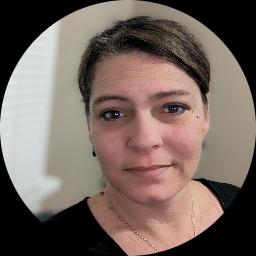
Tonya Boyd
LCMHC, LCPC
Licensed counselor - anxiety and self esteem
License and NPI on record
- Credentials
- LCMHC, LCPC
- License 1
- LPC, Texas · No. 87865
- License 2
- LPC, Idaho · No. 7871662
- License 3
- LCPC, Idaho · No. 7871662
- License 4
- LMHC, Florida · No. MH27632
- License 5
- LCMHC, Utah · No. 14266861-6004
- NPI
- 1427790484
- Experience
- 5 years
- Languages
- English
- State
- Idaho
As supplied to BetterHelp. A license can be checked with the state board, and an NPI with the national NPI registry.
- CBT
- ACT
- Attachment work
About Tonya
Tonya Boyd is a Licensed Clinical Mental Health Counselor (LCMHC) and a Licensed Clinical Professional Counselor (LCPC) with five years of practice. She works with adults on stress, anxiety, LGBTQ concerns, self-esteem, depression, and coping with life changes. Tonya focuses on practical steps people can use right away to feel steadier and clearer about day-to-day decisions.
She uses straightforward, conversational sessions that center the client's goals and experience. Tonya draws on Cognitive Behavioral Therapy (CBT) to identify unhelpful thinking and build different habits. She also uses Acceptance and Commitment Therapy (ACT) ideas to help people notice difficult thoughts and choose actions that matter to them.
Attachment‑Based Therapy informs her approach to relationship patterns and abandonment or attachment worries. She blends that with client-centered methods that keep the client's perspective in focus. Sessions typically involve setting small, achievable steps and checking progress between meetings.
Tonya has experience supporting people with body image, codependency, communication problems, and stress from caregiving or chronic health issues. She also addresses relationship-related topics such as commitment concerns, blended family strain, and separation or divorce questions. Her work includes areas sometimes connected to identity and intimacy, including BDSM, kink, and alternative sex culture.
Tonya practices from Idaho and conducts sessions in English. Her approach is collaborative and practical, aimed at helping people reduce the hold of repetitive thoughts and rituals that make daily life harder.
How her approaches translate to online sessions
Tonya commonly uses Cognitive Behavioral Therapy (CBT) to help people identify unhelpful thoughts and try different responses. CBT is practical and focuses on small behavior changes that reduce anxiety and repetitive checking. Acceptance and Commitment Therapy (ACT) helps clients notice painful thoughts and feelings and then choose actions that reflect their values rather than reacting to every intrusive thought.She also draws on Attachment‑Based Therapy to look at how early relationship patterns affect current connections and behaviors. That work is useful when attachment worries or abandonment fears drive checking, control behaviors, or difficulty letting go. Tonya approaches choices about technique collaboratively and will discuss which methods fit a person's goals and comfort level.
Confirm the available session formats before booking, as the profile does not list specific options. Online sessions can make it easier to fit therapy into daily life - for example shorter check-ins during a lunch break, phone calls when bandwidth is limited, or video conversations that allow face-to-face work without travel. The therapist will discuss practical arrangements and pacing so sessions fit the client’s schedule and the work they want to do.
Areas of expertise
Primary focus
Additional focus areas
Therapeutic approaches
Experience
5+ years
Credentials
Texas, Idaho, Florida, Utah
Languages
English
Frequently asked questions
What concerns does she focus on?
She focuses on stress, anxiety, LGBTQ concerns, self-esteem, depression, and coping with life changes, plus related issues like attachment and abandonment.
How would she approach obsessive or repetitive thoughts?
She uses CBT techniques to spot thinking patterns and ACT ideas to notice thoughts without acting on them, aiming to shift how those thoughts influence behavior.
How much clinical experience does she have?
She has five years of professional experience working with adults from varied backgrounds.
What are her credentials and where does she practice?
She holds LCMHC and LCPC credentials and practices from Idaho with the licensure details UT LCMHC and ID LCPC noted in her profile.
Which languages does she offer sessions in?
Sessions are offered in English.
Does she work with international clients?
She is not currently accepting international clients.
How are sessions priced?
Cost varies with location; sessions use a subscription that can be canceled at any time.
How do I begin working with her?
Click the See online therapy options button, complete a short matching questionnaire, and schedule a first session.
Before you reach out
- Check that the state license on record covers the state you live in.
- If exposure and response prevention (ERP) or another method matters to you, ask whether and how this counselor uses it.
- You do not need to explain every thought or ritual at the start. One example is enough.
- A profile shows the topics a counselor lists; it is not a diagnosis or a promise of results.
If you feel unsafe right now, call or text 988, or call 911.