Counselor profile
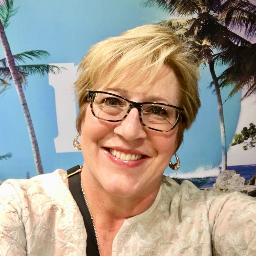
Suzanne Walker
LCMHC
Licensed counselor - anxiety and life changes
License and NPI on record
- Credentials
- LCMHC
- License
- LCMHC, North Carolina · No. 2238
- NPI
- 1881750347
- Experience
- 38 years
- Languages
- English
- State
- North Carolina
As supplied to BetterHelp. A license can be checked with the state board, and an NPI with the national NPI registry.
- ACT
- CBT
- DBT
About Suzanne
Suzanne Walker is a Licensed Clinical Mental Health Counselor (LCMHC) in North Carolina with 38 years of clinical experience. She helps people who are coping with stress, anxiety, addictions, trauma and abuse, depression, ADHD, relationship and family concerns, grief, and a wide range of life changes. Suzanne’s work also addresses issues such as caregiver stress, chronic illness, codependency, and first responder concerns.
Suzanne uses a person-centered stance in sessions. She listens, asks questions, and helps clients clarify choices. She emphasizes the relationship between counselor and client as the foundation for any change. That relationship guides how goals and plans are set.
Her background includes a Master of Science in Counseling Psychology completed in 1984 and decades of clinical and supervisory work. Suzanne has experience with civilian community practice and with the U.S. military as a Department of Defense provider. She also has lived experience as a military family member and draws on that perspective when relevant.
Suzanne regularly works with people from varied cultural backgrounds and is familiar with concerns affecting the LGBT community. She describes her approach as nonjudgmental and focused on understanding each person’s situation. She partners with clients to build a plan of care that reflects their goals and circumstances.
In practice she draws on a range of methods including Acceptance and Commitment Therapy (ACT), Cognitive Behavioral Therapy (CBT), Dialectical Behavior Therapy (DBT), Attachment-Based approaches, and client-centered techniques. She discusses options with clients and selects strategies that match their needs and preferences.
How Suzanne uses CBT, ACT and attachment work online
Suzanne commonly uses Cognitive Behavioral Therapy (CBT) to help people learn practical skills for managing anxious thoughts and breaking ritual patterns. CBT focuses on identifying thought patterns and testing behaviors that keep problems going.She also uses Acceptance and Commitment Therapy (ACT) to help people notice painful thoughts without getting stuck in them, and to clarify values that guide committed action. ACT is often useful for people wrestling with intrusive thoughts or repeated checking behaviors.
Attachment-based work looks at how early relationships shape current reactions and connection patterns. This approach can be helpful for people whose anxiety or relationship concerns tie back to trust, closeness, or patterns learned over time.
Finding the right approach is part of the work. Suzanne will talk with each person about goals, history, and preferences and then choose methods together. That collaborative decision helps match techniques to the problem being addressed.
Session logistics should be confirmed before booking because the biography did not list specific formats. Ask which session types are available when you schedule. Online sessions can make it easier to fit counseling into a busy day, allow shorter check-ins when time is limited, and remove travel time so therapy fits around school, work, or caregiving duties.
Areas of expertise
Also works with
Additional focus areas
Therapeutic approaches
Experience
38+ years
Credentials
North Carolina
Languages
English
Frequently asked questions
What kinds of problems does she help with?
She works with stress, anxiety, addictions, trauma and abuse, depression, ADHD, relationship and family concerns, grief, and other life changes.
What therapy style does she use?
She takes a person-centered approach and combines it with specific methods like ACT, CBT, DBT, and attachment-informed work to meet each person’s goals.
How much clinical experience does she have?
She has 38 years of clinical and supervisory experience, with a master’s degree in Counseling Psychology completed in 1984.
Where is she licensed and based?
She is an LCMHC licensed in North Carolina and practices with that credential.
Can I work with her if I live outside the US?
She accepts international clients; sessions are offered in English.
What session formats are offered?
The original biography does not specify session formats; confirm current session options before booking.
How are fees handled?
Cost varies with location and sessions use a subscription that can be canceled at any time.
How do I begin working with her?
Select the See online therapy options button, complete a short matching questionnaire, and schedule a first session.
Before you reach out
- Check that the state license on record covers the state you live in.
- If exposure and response prevention (ERP) or another method matters to you, ask whether and how this counselor uses it.
- You do not need to explain every thought or ritual at the start. One example is enough.
- A profile shows the topics a counselor lists; it is not a diagnosis or a promise of results.
If you feel unsafe right now, call or text 988, or call 911.