Counselor profile
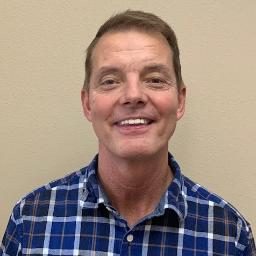
Stephen Garman
LCPC, LPC
Licensed counselor - Anxiety and Addiction
License and NPI on record
- Credentials
- LCPC, LPC
- License 1
- LPC, Missouri · No. 2018034146
- License 2
- LPC, Oklahoma · No. 11024
- License 3
- LCPC, Kansas · No. LCPC 03589
- NPI
- 1598422115
- Experience
- 3 years
- Languages
- English
- State
- Missouri
As supplied to BetterHelp. A license can be checked with the state board, and an NPI with the national NPI registry.
- CBT
- DBT
- Client-Centered Therapy
About Stephen
Stephen Garman is a licensed clinical professional counselor (LCPC) and a licensed professional counselor (LPC) practicing in Missouri with three years of experience. He works with people who report stress, anxiety, depression, addiction concerns, relationship and family strains, sleep problems, trauma and abuse, and parenting challenges. He also lists support for ADHD, bipolar concerns, grief, anger, low self-esteem, and coping with life changes.
Stephen uses common therapy methods such as Client-Centered Therapy, Cognitive Behavioral Therapy (CBT), and Dialectical Behavior Therapy (DBT). In sessions he focuses on direct conversation, practical strategies, and skill-building. He has experience supporting people after physical trauma and emotional abuse and has worked in crisis and substance-abuse settings.
Sessions emphasize concrete steps rather than long lectures. Stephen listens, reflects, and offers exercises you can try between meetings. He also discusses sleep habits and general wellbeing when relevant to mood and functioning.
His background includes pastoral counseling settings and work with substance use concerns. That mix shapes a straightforward style: clear goals, homework when it helps, and repeated practice of skills like emotion regulation and thought restructuring.
People seeking help are encouraged to complete the intake steps on the site and schedule a first session. The therapist asks about current concerns, daily routines, and specific habits that keep problems active, then builds a plan together.
How his methods translate to online sessions
Stephen integrates Client-Centered Therapy, Cognitive Behavioral Therapy (CBT), and Dialectical Behavior Therapy (DBT) into a focused, skills-based approach. Client-Centered Therapy centers on the client’s perspective and priorities, helping people clarify goals and feel heard. CBT breaks down patterns of thoughts and behaviors and teaches practical techniques to change them, useful for anxiety, OCD-like checking, and low mood. DBT emphasizes emotion regulation, distress tolerance, and interpersonal effectiveness skills for managing intense emotions and impulsivity.Choosing the right method is part of the work together. The therapist will review your concerns, goals, and preferences and recommend which approaches to emphasize. That recommendation is collaborative and may change as progress is reviewed.
The practical upside of online therapy is that sessions can fit into busy days and reduce travel time. Confirm the available session formats before booking, since formats are not specified here. Online meetings can make it easier to schedule short check-ins, practice skills between obligations, or work through exposure-related tasks with real-life context when appropriate. Licensed professionals can adapt worksheets, behavioral experiments, and emotion-regulation practice to the online setting so the work continues between meetings.
Areas of expertise
Primary focus
Also works with
Additional focus areas
Therapeutic approaches
Experience
3+ years
Credentials
Missouri, Oklahoma, Kansas
Languages
English
Frequently asked questions
What kinds of problems does he help with most?
He works with stress, anxiety, depression, addictions, trauma and abuse, relationship and family concerns, sleep problems, parenting issues, and related challenges.
What approach does he use in sessions?
He uses Client-Centered Therapy, Cognitive Behavioral Therapy (CBT), and Dialectical Behavior Therapy (DBT) with a focus on practical skills and focused conversation.
How much experience does he have?
He has three years of professional counseling experience working in crisis, substance-abuse, and pastoral counseling settings.
Which credentials and location are listed?
He is listed as LCPC and LPC and practices in Missouri.
What languages are offered for sessions?
Sessions are offered in English.
Can people outside the country work with him?
International clients are not currently accepted.
How are sessions priced?
Cost varies by location and sessions use a subscription model that can be canceled at any time.
How do I begin working with him?
Use the See online therapy options button, complete the short matching questionnaire, and schedule your first session.
Before you reach out
- Check that the state license on record covers the state you live in.
- If exposure and response prevention (ERP) or another method matters to you, ask whether and how this counselor uses it.
- You do not need to explain every thought or ritual at the start. One example is enough.
- A profile shows the topics a counselor lists; it is not a diagnosis or a promise of results.
If you feel unsafe right now, call or text 988, or call 911.