Counselor profile
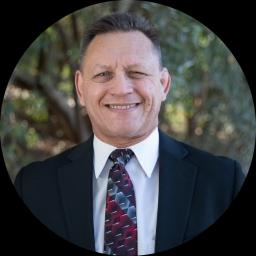
Stephen Chop
LCSW-C, LCSW
LCSW-C in Maryland - OCD and hoarding focus
License and NPI on record
- Credentials
- LCSW-C, LCSW
- License 1
- LCSW-C, Maryland · No. 08624
- License 2
- LCSW, Virginia · No. 0904014807
- License 3
- LCSW, Pennsylvania · No. CW025669
- NPI
- 1346839651
- Experience
- 30 years
- Languages
- English
- State
- Maryland
As supplied to BetterHelp. A license can be checked with the state board, and an NPI with the national NPI registry.
- OCD and hoarding focus
- CBT and ACT methods
- 30 years experience
About Stephen
Stephen Chop is a Licensed Certified Social Worker (LCSW-C) in Maryland and a Licensed Clinical Social Worker (LCSW) with licenses in Virginia and Pennsylvania. He has 30 years of clinical experience and works with people facing stress, anxiety, depression, self-esteem difficulties, and life transitions including career and parenting concerns.
He focuses on clear, practical work rather than labels. Sessions address things like panic, workplace stress, relationship strain, and managing mood shifts. He also supports people coping with grief, trauma, addictions, and ADHD-related challenges.
His style combines talk-based care with evidence-informed methods. He uses Acceptance and Commitment Therapy, Cognitive Behavioral Therapy, Dialectical Behavior Therapy, Emotionally-Focused Therapy, and a client-centered stance to help people notice patterns, try small changes, and track what helps.
Stephen has particular experience with issues that often come up in midlife and fatherhood, first responder stress, caregiving strain, and adoption or abandonment concerns. He helps people work through control issues, body-image worries, and family-related problems in concrete ways that fit day-to-day life.
He asks practical questions and focuses on skills people can use between sessions. He aims to help clients reduce the hold of repetitive thoughts and rituals, build steadier coping strategies, and find clearer decisions about work, relationships, and parenting.
Therapeutic approaches and online sessions
Acceptance and Commitment Therapy (ACT) helps people notice difficult thoughts and choose actions that align with their values rather than getting stuck in loops. Cognitive Behavioral Therapy (CBT) focuses on identifying unhelpful thinking and testing new behaviors to reduce anxiety and compulsive patterns. Emotionally-Focused Therapy (EFT) concentrates on understanding emotional responses in relationships and can help when relational patterns add to stress.Finding the right approach is part of the work. Stephen will collaborate with each person to decide which methods to try first based on their goals, symptoms, and what feels manageable. He reviews progress and adjusts the plan so sessions remain practical and relevant.
Confirm current session formats before booking, as the biography does not list specific online options. Online work can make sessions easier to fit into a week, allow shorter check-ins when time is tight, and reduce travel time. It also makes it possible to use in-the-moment exercises that connect to daily life. Ask about the available session formats when you complete the matching questionnaire.
Areas of expertise
Primary focus
Also works with
Additional focus areas
Therapeutic approaches
Experience
30+ years
Credentials
Maryland, Virginia, Pennsylvania
Languages
English
Frequently asked questions
What issues does he help with most often?
He works with stress, anxiety, depression, self-esteem problems, relationship strain, grief, trauma, parenting concerns, addictions, ADHD, and related life changes.
What is his therapeutic approach and style?
He blends Acceptance and Commitment Therapy, Cognitive Behavioral Therapy, Dialectical Behavior Therapy, Emotionally-Focused Therapy, and client-centered work. The focus is on practical strategies and noticing patterns between sessions.
How much clinical experience does he have?
He brings 30 years of experience working with adults and young adults on mood, stress, and relationship concerns.
What are his credentials and where is he based?
He holds LCSW-C in Maryland and LCSW licenses in Virginia and Pennsylvania, and practices from Maryland.
Which languages are supported?
Sessions are offered in English.
Does he work with international clients?
He does not accept international clients at this time.
How are sessions scheduled and what do they cost?
Cost varies by location and sessions use a subscription that can be canceled at any time. Exact fees depend on the chosen location.
How do I get started?
Select the See online therapy options button, complete a short matching questionnaire, and schedule a first session.
Before you reach out
- Check that the state license on record covers the state you live in.
- If exposure and response prevention (ERP) or another method matters to you, ask whether and how this counselor uses it.
- You do not need to explain every thought or ritual at the start. One example is enough.
- A profile shows the topics a counselor lists; it is not a diagnosis or a promise of results.
If you feel unsafe right now, call or text 988, or call 911.