Counselor profile
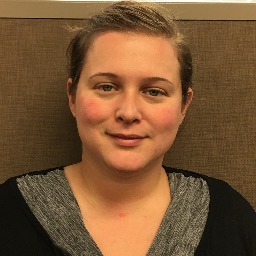
Stephanie Traver
LCSW, LISW
Licensed clinical social worker - trauma and mood concerns
License and NPI on record
- Credentials
- LCSW, LISW
- License 1
- LCSW, New York · No. 085662
- License 2
- LCSW, Connecticut · No. 11564
- License 3
- LISW, Ohio · No. I.2204006
- NPI
- 1679019384
- Experience
- 11 years
- Languages
- English
- State
- New York
As supplied to BetterHelp. A license can be checked with the state board, and an NPI with the national NPI registry.
- Cognitive Behavioral Therapy
- Attachment-Based Therapy
- Acceptance and Commitment Therapy
About Stephanie
Stephanie Traver is a licensed clinical social worker with LCSW and LISW credentials and 11 years of experience. She works with people facing trauma, attachment concerns, anxiety, bipolar disorder, depression, and addictions, and she also addresses parenting questions and family stress.
She focuses on helping people notice patterns in their thoughts and behaviors. Sessions often begin with looking at what causes the most stress in daily life. From there she helps people set small, practical goals to try between meetings.
Her approach draws on therapies such as cognitive behavioral therapy and attachment-based methods to make problems clearer and more manageable. She also uses Acceptance and Commitment Therapy and emotionally-focused ideas to help people clarify values and improve relationships.
Stephanie aims to build awareness and insight so people can take clearer steps forward. She works with clients to develop a plan for coping with external pressures and for managing longer term concerns like mood instability and addictive behaviors.
Her style is straightforward and action oriented. She encourages reflection, experiment, and gradual change rather than quick fixes. Sessions are conducted in English and she accepts international clients; confirm current session options before booking.
How her approaches translate to online work
Stephanie commonly uses Cognitive Behavioral Therapy and Attachment-Based Therapy. CBT focuses on identifying unhelpful thought and behavior patterns and trying small experiments to change them, which helps with anxiety, depression, and mood regulation. Attachment-Based Therapy looks at patterns in close relationships and how early bonds affect current reactions, which can help with trust, communication, and emotional connection.Finding the right approach is part of the process. She will work collaboratively to decide which methods fit your goals and preferences, and adjust plans as you learn what helps most. That negotiation helps keep sessions practical and relevant to everyday problems.
The therapist biography does not specify session formats, so confirm the available online options before booking. Many people find that remote sessions make it easier to fit therapy into a workday, reduce travel time, and allow for shorter check-ins when needed. Online work can also make it simpler to involve practical homework and real-world experiments between meetings, so techniques from CBT and attachment work can be practiced in daily life.
Areas of expertise
Primary focus
Also works with
Additional focus areas
Therapeutic approaches
Experience
11+ years
Credentials
New York, Connecticut, Ohio
Languages
English
Frequently asked questions
What kinds of concerns does she help with?
She helps people with trauma, attachment issues, anxiety, depression, bipolar disorder, addictions, parenting questions, and stress related to family and life changes.
What therapy style does she use?
She uses cognitive behavioral therapy, attachment-based approaches, Acceptance and Commitment Therapy, and emotionally-focused ideas to address thoughts, behaviors, and relationships.
How much clinical experience does she have?
She has 11 years of experience working with complex trauma, mood disorders, addiction concerns, and attachment problems.
What are her credentials and where is she based?
She holds LCSW and LISW credentials and practices from New York. The credentials listed are NY LCSW and OH LISW.
Does she offer sessions in other languages or countries?
Sessions are offered in English and she accepts international clients.
What session formats are available?
The original biography does not list specific session formats; please confirm the current session options before booking.
How are sessions priced?
Cost varies with location and sessions use a subscription that can be canceled at any time.
How do I get started with her?
Use the See online therapy options button, complete the short matching questionnaire, and schedule a first session.
Before you reach out
- Check that the state license on record covers the state you live in.
- If exposure and response prevention (ERP) or another method matters to you, ask whether and how this counselor uses it.
- You do not need to explain every thought or ritual at the start. One example is enough.
- A profile shows the topics a counselor lists; it is not a diagnosis or a promise of results.
If you feel unsafe right now, call or text 988, or call 911.