Counselor profile
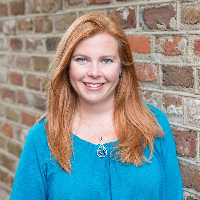
Sonya Fields
LPC
Licensed counselor - anxiety and relationships
License and NPI on record
- Credentials
- LPC
- License
- LPC, South Carolina · No. 4155
- NPI
- 1962721548
- Experience
- 25 years
- Languages
- English
- State
- South Carolina
As supplied to BetterHelp. A license can be checked with the state board, and an NPI with the national NPI registry.
- Client-Centered Therapy
- Cognitive Behavioral Therapy
- Motivational Interviewing
About Sonya
Sonya Fields is an LPC (Licensed Professional Counselor) in South Carolina with 25 years of experience helping people with stress, anxiety, relationship and family concerns. She often works with issues like sleep troubles, coping with change, trauma and grief, and a wide range of emotional concerns including depression, bipolar symptoms, ADHD, and eating issues.
She uses straightforward conversation and goal-focused work to help people make practical changes. Sessions often look at strengths you already have and how to use them. Sonya also blends coaching techniques when clients want structured steps toward change.
Her approach pulls from client-centered methods and cognitive behavioral ideas, adding emotionally-focused work and mindfulness practices where useful. She listens for what is working, what is getting in the way, and then suggests small, doable steps to try between sessions. Motivational interviewing techniques are used to support commitment and forward movement.
Sonya has a background in health and wellness coaching in addition to counseling. That combination means she commonly supports people making health behavior changes as part of improving mood and daily functioning. She may introduce gentle body-focused methods such as mindfulness to reduce rumination and improve sleep.
People who contact her are usually looking for clear, steady guidance and practical strategies. To begin they follow the site matching steps and schedule an initial session. Sessions include some phone or video meetings and text support is part of her working style.
How her approaches translate to online work
Client-Centered Therapy focuses on listening to what matters to you and helping you name your goals. Online sessions using this approach let the therapist reflect back concerns and values so you can decide next steps.Cognitive Behavioral Therapy (CBT) breaks problems into thoughts, behaviors and feelings and then tests small changes. In remote sessions CBT can include planned exercises, written worksheets, and tasks to try between meetings to reduce anxiety or checking behaviors.
Emotionally-Focused Therapy (EFT) looks at patterns in close relationships and helps people notice and change interaction cycles. Doing this work online allows focused conversation about how you relate and the chance to try different responses outside the session.
Finding the right approach is part of the work. She will review your needs, goals and preferences and recommend which methods to try first. That decision is collaborative and can shift as you make progress.
The biography mentions phone and video meetings and text support as part of her practice. Confirm the current session options before booking to see which formats are offered. Online sessions can make it easier to fit meetings around work, reduce travel time, and allow shorter check-ins when needed, while still focusing on concrete skills and steps that apply to daily life.
Areas of expertise
Primary focus
Also works with
Additional focus areas
Therapeutic approaches
Experience
25+ years
Credentials
South Carolina
Languages
English
Frequently asked questions
What concerns does she help with most often?
She works with stress, anxiety, relationship and family issues, plus sleep, grief, trauma, depression, bipolar symptoms, ADHD and eating-related concerns.
What is her therapeutic style like?
Her style is client-centered and practical, focusing on strengths, small steps, and goal-focused work. She mixes cognitive behavioral ideas, emotionally-focused methods and mindfulness when helpful.
How much experience does she have?
She has 25 years of experience as a counselor and coach working with a broad range of emotional and life concerns.
What are her credentials and where is she based?
She holds the LPC credential as a Licensed Professional Counselor and practices in South Carolina.
Which languages are sessions offered in?
Sessions are offered in English and she accepts international clients.
What session formats does she use?
Her biography notes she prefers some phone or video sessions and offers text support. Confirm current session options before booking.
How are costs handled?
Cost varies with location and sessions use a subscription that can be canceled at any time.
How do I begin working with her?
Use the See online therapy options button, complete the short matching questionnaire, and schedule a first session.
Before you reach out
- Check that the state license on record covers the state you live in.
- If exposure and response prevention (ERP) or another method matters to you, ask whether and how this counselor uses it.
- You do not need to explain every thought or ritual at the start. One example is enough.
- A profile shows the topics a counselor lists; it is not a diagnosis or a promise of results.
If you feel unsafe right now, call or text 988, or call 911.