Counselor profile
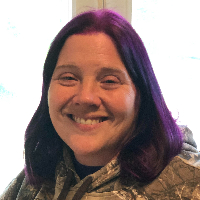
Shannon Gaiser
LPC
Licensed Professional Counselor - addictions and anxiety
License and NPI on record
- Credentials
- LPC
- License
- LPC, Pennsylvania · No. PC004686
- NPI
- 1750626420
- Experience
- 17 years
- Languages
- English
- State
- Pennsylvania
As supplied to BetterHelp. A license can be checked with the state board, and an NPI with the national NPI registry.
- Acceptance and Commitment Therapy
- Cognitive Behavioral Therapy
- Motivational Interviewing
About Shannon
Shannon Gaiser is an LPC (Licensed Professional Counselor) in Pennsylvania with 17 years of clinical experience. She lists stress, anxiety, addictions, relationship and family concerns, depression, LGBT issues, trauma and abuse, grief, parenting, anger, self-esteem, career concerns, bipolar disorder, and coping with life changes among her areas of focus. Shannon works with people who are seeking alternatives or supplements to standard recovery programs and who want practical skills for day-to-day life.
She uses straightforward, person-focused methods in sessions. Conversations tend to center on specific problems and steps to change behaviors that are getting in the way. Clients can expect discussion, practical exercises, and reflective listening rather than long lectures or vague reassurance.
Shannon draws on Acceptance and Commitment Therapy (ACT), client-centered therapy, cognitive behavioral therapy (CBT), mindfulness therapy, and motivational interviewing. These approaches support work on habits, thought patterns, motivation for change, and coping skills. She emphasizes behavioral steps alongside talking through difficulties.
Her background includes work in both inpatient and outpatient addiction settings and in independent practice alongside a physician prescribing medication-assisted treatment. That clinical variety informs a focus on relapse prevention, boundary setting, and navigating treatment choices. Shannon notes experience with trauma, PTSD, mood disorders, and family-of-origin issues.
Sessions are offered in English and Shannon accepts international clients. Her practice uses a subscription model that can be canceled at any time; cost varies with location. To get started, prospective clients complete a short matching questionnaire and schedule a first session.
Therapeutic approaches and working online
Shannon uses Acceptance and Commitment Therapy (ACT) to help people notice unhelpful thoughts without getting stuck in them and to identify values that guide action. ACT can be useful for anxiety, relapses, and patterns that keep returning.She also uses Cognitive Behavioral Therapy (CBT) to break down unhelpful thinking and behavior cycles. CBT focuses on practical skills and small experiments to test beliefs and change routines that reinforce problems.
Finding the right approach is part of the work. Shannon treats therapy as a collaborative process and will help choose which methods fit the client's needs, goals, and preferences. She discusses options and adjusts the plan as progress is made.
Confirm the session formats available before booking. The original biography mentions responsiveness to messages and offering video and voice sessions, so ask about those options when you start. Online sessions can make it easier to fit appointments into a busy week, allow brief check-ins by voice when time is limited, or let someone choose video when visual cues help the work. The therapist can discuss what layout of sessions will best support homework, exposures, or motivational check-ins.
Areas of expertise
Primary focus
Also works with
Additional focus areas
Therapeutic approaches
Experience
17+ years
Credentials
Pennsylvania
Languages
English
Frequently asked questions
What concerns does she commonly help with?
She lists stress, anxiety, addictions, relationship and family concerns, depression, trauma and abuse, grief, parenting, anger, self-esteem, career issues, bipolar disorder, and coping with life changes.
How would you describe her therapeutic style?
Her style is practical and person-focused, using conversation, exercises, and behavior-focused steps rather than abstract theorizing.
How much clinical experience does she have?
She has 17 years of experience working in addiction settings and independent practice.
What are her credentials and where is she based?
She practices as an LPC - Licensed Professional Counselor in Pennsylvania.
Which languages are supported for sessions?
Sessions are offered in English.
Can international clients work with her?
Yes, she accepts international clients.
How are fees handled?
Cost varies with location and sessions use a subscription that can be canceled at any time.
How do I begin working with her?
Use the See online therapy options button, complete a short matching questionnaire, and schedule a first session.
Before you reach out
- Check that the state license on record covers the state you live in.
- If exposure and response prevention (ERP) or another method matters to you, ask whether and how this counselor uses it.
- You do not need to explain every thought or ritual at the start. One example is enough.
- A profile shows the topics a counselor lists; it is not a diagnosis or a promise of results.
If you feel unsafe right now, call or text 988, or call 911.