Counselor profile
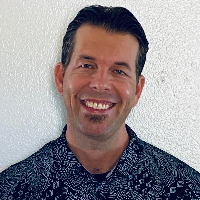
Sean Gardner
LPC, LMHC
Licensed counselor - anxiety and relationships
License and NPI on record
- Credentials
- LPC, LMHC
- License 1
- LMHC, Hawaii · No. 613
- License 2
- LPC, Arizona · No. 19450
- NPI
- 1962951004
- Experience
- 10 years
- Languages
- English
- State
- Arizona
As supplied to BetterHelp. A license can be checked with the state board, and an NPI with the national NPI registry.
- CBT methods
- Acceptance and commitment
- Mindfulness skills
About Sean
Sean Gardner is a Licensed Professional Counselor (LPC) in Arizona and a Licensed Mental Health Counselor (LMHC) with ten years of experience. He focuses on stress, anxiety, relationship strain, anger, depression, and coping with life changes, and also works with concerns such as addictions, trauma and abuse, grief, intimacy-related issues, eating and sleeping difficulties, and ADHD.
He describes a practical, down-to-earth style. Sessions aim to help people notice what matters to them, reduce unhelpful behaviors, and rebuild routines that feel manageable. Sessions use clear techniques rather than labels, and he draws on multiple approaches to match what a person needs.
Gardner’s background includes active duty service in the US Navy and work as a firefighter-paramedic. He completed a BA in Psychology at Arizona State University and a Master’s degree in Counseling Psychology from Chaminade University of Honolulu. His clinical experience spans inpatient adolescent work and social work with veterans seeking housing.
For several years he has offered psychotherapy online. He frames therapy as a collaborative process where the person and therapist decide what helps most. He encourages straightforward goals and steady practice between sessions.
People who contact him can expect short, focused conversations and practical skills to try at home. He often blends cognitive and behavioral methods with acceptance and mindfulness tools to address repetitive thoughts, checking, avoidance, and difficulties letting go.
Before booking, readers should confirm the current session formats and scheduling details to match their needs.
Approaches used and what online sessions look like
Acceptance and Commitment Therapy (ACT) helps people notice what matters to them and commit to small actions that reflect those values. It is useful for anxiety, repeated unhelpful thoughts, and problems where avoidance gets in the way.Cognitive Behavioral Therapy (CBT) focuses on identifying thought and behavior patterns that keep problems going, then testing small changes to those patterns. It is often used for anxiety, obsessive thinking, checking, and mood problems.
Client-Centered Therapy emphasizes a respectful, listening stance where the therapist follows the person's lead and supports clearer decision making and self-knowledge.
Finding the right approach is part of the work. The therapist will review goals, preferences, and what has or hasn’t helped before. Together they decide which techniques to try and adjust the plan as needed.
Confirm current session options before booking so you know what formats are offered. Online work can make it easier to fit sessions into a busy week, reduce travel time, allow shorter check-ins when needed, and let someone connect from different locations. Therapists and licensed professionals commonly pair skills practice, brief between-session exercises, and regular check-ins to keep progress moving forward.
Areas of expertise
Primary focus
Also works with
Additional focus areas
Therapeutic approaches
Experience
10+ years
Credentials
Hawaii, Arizona
Languages
English
Frequently asked questions
What kinds of concerns does he help with?
He works with stress, anxiety, relationship issues, anger, depression, life changes, addictions, trauma and related concerns such as grief, intimacy issues, eating and sleeping problems, and ADHD.
What is his general therapeutic style?
He uses practical, evidence-based techniques and conversational sessions. The focus is on clear skills and steady practice rather than abstract theory.
How much clinical experience does he have?
He has ten years of experience, including inpatient adolescent work and social work with veterans, as well as several years doing psychotherapy online.
What credentials and location apply to his practice?
He holds LPC in Arizona and LMHC in Hawaii and is based in Arizona for licensing purposes.
Which languages are sessions offered in?
Sessions are offered in English.
Can people outside the U.S. work with him?
He accepts international clients, but readers should confirm any licensing-related limits before starting.
How are costs handled?
Cost varies with location, and sessions use a subscription that can be canceled at any time.
What should I do to begin?
Select the See online therapy options button, complete a short matching questionnaire, and schedule a first session.
Before you reach out
- Check that the state license on record covers the state you live in.
- If exposure and response prevention (ERP) or another method matters to you, ask whether and how this counselor uses it.
- You do not need to explain every thought or ritual at the start. One example is enough.
- A profile shows the topics a counselor lists; it is not a diagnosis or a promise of results.
If you feel unsafe right now, call or text 988, or call 911.