Counselor profile
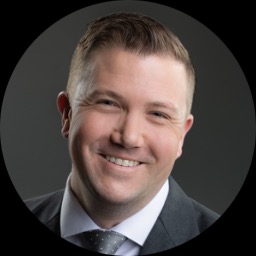
Scott Durkin
LCPC
LCPC in Nevada - anxiety and mood concerns
License and NPI on record
- Credentials
- LCPC
- License
- LCPC, Nevada · No. CP5738
- NPI
- 1235804600
- Experience
- 5 years
- Languages
- English
- State
- Nevada
As supplied to BetterHelp. A license can be checked with the state board, and an NPI with the national NPI registry.
- Stress and anxiety
- Depression and bipolar
- Prepare/Enrich offered
About Scott
Scott Durkin is an LCPC (Licensed Clinical Professional Counselor) practicing in Nevada with five years of clinical experience. He works with people dealing with stress, anxiety, relationship strain, trauma and abuse, bipolar disorder, and depression. Scott also lists focus areas such as abandonment, attachment issues, caregiver stress, addiction, and communication problems.
He has experience running inpatient group work at a behavioral hospital in Reno. That work exposed him to a wide range of presentations, from mood disorders to trauma and addiction. Scott uses what he learned there to structure sessions that are straightforward and practical.
In session he uses talk therapy alongside cognitive-behavioral methods and dialectical behavior techniques. He aims to teach coping skills, challenge unhelpful thinking, and practice new ways of responding to strong feelings. Sessions often include step-by-step skill practice rather than long theory talks.
Scott can include faith-informed perspectives when clients request a Christian lens. He also offers premarital and marriage work using the Prepare/Enrich program for couples who want that framework. These options are presented as part of an overall treatment conversation.
He keeps the room unassuming and practical, offering a simple welcome and a chance to talk through immediate problems. To start, Scott asks about current concerns, recent coping attempts, and what would feel most useful in the next few sessions.
How evidence-based methods translate to online sessions
Scott uses cognitive-behavioral approaches and dialectical behavior techniques in clear, practical ways. Cognitive-behavioral work focuses on identifying and changing unhelpful thoughts and behaviors, useful for anxiety, compulsive checking, and low mood. Dialectical behavior techniques teach specific skills for managing intense emotions, improving distress tolerance, and strengthening interpersonal effectiveness.Deciding which approach fits best is a collaborative process. The therapist reviews current concerns, goals, and what has or hasn’t worked before, then suggests approaches to try. Clients and the therapist check progress regularly and adjust methods together.
Confirm current session options before booking to know how Scott offers care. Online sessions can make it easier to fit therapy into a busy life, shorten travel time, and allow quicker check-ins between in-person visits. Some formats need less bandwidth or can be shorter for brief workdays, while other formats support longer skills practice. Ask about the specific session types offered when you reach out so you can pick the schedule and format that best fit your routine.
Areas of expertise
Primary focus
Additional focus areas
Experience
5+ years
Credentials
Nevada
Languages
English
Frequently asked questions
What kinds of problems does he work with?
He works with stress, anxiety, relationship strain, trauma and abuse, bipolar disorder, and depression, plus related concerns like attachment issues and addiction.
What is his therapeutic style?
Sessions focus on talk therapy with practical skill teaching, using cognitive-behavioral approaches and dialectical behavior techniques to change unhelpful patterns.
How much clinical experience does he have?
He has five years of clinical experience, including leading inpatient group therapy at a behavioral hospital in Reno.
What are his credentials and location?
He is an LCPC (Licensed Clinical Professional Counselor) practicing in Nevada.
Which languages are supported?
Sessions are offered in English.
Can he work with clients outside the United States?
He does not accept international clients at this time.
How are sessions paid for?
Sessions use a subscription model that can be canceled at any time and costs vary with location.
How do I begin therapy with him?
Click the See online therapy options button, complete a short matching questionnaire, and schedule your first session.
Before you reach out
- Check that the state license on record covers the state you live in.
- If exposure and response prevention (ERP) or another method matters to you, ask whether and how this counselor uses it.
- You do not need to explain every thought or ritual at the start. One example is enough.
- A profile shows the topics a counselor lists; it is not a diagnosis or a promise of results.
If you feel unsafe right now, call or text 988, or call 911.