Counselor profile
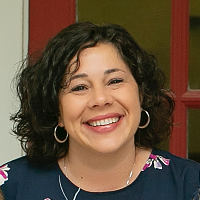
Sarah Heyn
LCSW
LCSW - Anxiety and relationship concerns
License and NPI on record
- Credentials
- LCSW
- License
- LCSW, Wisconsin · No. 8892-123
- NPI
- 1154427250
- Experience
- 8 years
- Languages
- English
- State
- Wisconsin
As supplied to BetterHelp. A license can be checked with the state board, and an NPI with the national NPI registry.
- Client-centered approach
- Cognitive Behavioral Therapy
- Solution-focused techniques
About Sarah
Sarah Heyn is a Licensed Clinical Social Worker (LCSW) in Wisconsin with eight years of clinical experience. She works with adults facing stress, anxiety, depression, relationship concerns, parenting questions, ADHD, grief, substance use, and LGBTQ related issues.
She spent four years providing counseling in a community clinic and a personal Christian counseling office. She also completed two years of graduate internships at the University of Wisconsin Hospital and the VA Hospital in Madison. That mix of settings shaped how she approaches practical problems and life transitions.
Sarah uses a strengths-based, client-centered style. She treats people as the experts on their lives and acts as a guide during periods of high stress or difficult symptoms. Sessions combine a person’s existing strengths with specific techniques drawn from Cognitive Behavioral Therapy, Solution-Focused Therapy, and Interpersonal Therapy.
She aims to leave each person with an action plan they can use after therapy ends. That plan typically includes strategies for responding to future stressors and steps to keep progress moving forward.
Sarah responds to messages Monday through Friday until 2 p.m., and she prioritizes replies sent in the evening or on Sundays first thing the next workday. She offers live video or phone sessions between 10 a.m. and 2 p.m. on business days. She does not provide letters to courts, lawyers, or medical professionals, but can discuss ways to advocate within those systems.
How her approaches translate to online work
Client-Centered Therapy focuses on listening and following the client's lead to identify goals and strengths. It helps with everyday stress, relationship questions, and deciding what matters most to a person. Cognitive Behavioral Therapy (CBT) breaks problems down into thoughts, feelings, and actions and teaches practical skills for managing anxiety, low mood, and unhelpful behaviors. Dialectical Behavior Therapy (DBT) offers skills in emotion regulation, distress tolerance, and interpersonal effectiveness useful for strong emotions and relationship difficulties.Finding the right approach is part of the work. Sarah will collaborate with each person to figure out which methods fit their goals and preferences. She uses the first sessions to learn what helps and then mixes techniques to match the problem at hand.
The biography notes availability for live video and phone sessions between 10 a.m. and 2 p.m. on business days. Confirm current session options before booking so you know if video or phone is offered when you need it. Online sessions can make it easier to fit therapy into a busy day, allow shorter check-ins, and avoid travel time while still using CBT, DBT, and client-centered conversations to practice new skills.
Areas of expertise
Primary focus
Also works with
Additional focus areas
Therapeutic approaches
Experience
8+ years
Credentials
Wisconsin
Languages
English
Frequently asked questions
What kinds of concerns does she help with most?
She works with adults on stress, anxiety, depression, relationship and parenting concerns, ADHD, grief, substance use, LGBTQ related issues, and other life changes.
What therapeutic approach does she use?
She practices a client-centered, strengths-based style and uses techniques from Cognitive Behavioral Therapy, Solution-Focused Therapy, Interpersonal Therapy, DBT, Imago, and Motivational Interviewing as relevant.
How much clinical experience does she have?
She has eight years of clinical experience, including four years in a community clinic and personal counseling office plus two years of graduate internships at UW Hospital and the VA Hospital in Madison.
What are her credentials and where is she based?
She is a Licensed Clinical Social Worker (LCSW) licensed in Wisconsin and practices from that state.
Which languages are supported?
Sessions are offered in English.
Can international clients work with her?
She does not accept international clients at this time.
How are sessions scheduled and what does it cost?
Cost varies with location and sessions use a subscription that can be canceled at any time. Exact pricing depends on the chosen plan and location.
How do I get started with her?
Select the See online therapy options button, complete the short matching questionnaire, and schedule a first session through the platform.
Before you reach out
- Check that the state license on record covers the state you live in.
- If exposure and response prevention (ERP) or another method matters to you, ask whether and how this counselor uses it.
- You do not need to explain every thought or ritual at the start. One example is enough.
- A profile shows the topics a counselor lists; it is not a diagnosis or a promise of results.
If you feel unsafe right now, call or text 988, or call 911.