Counselor profile
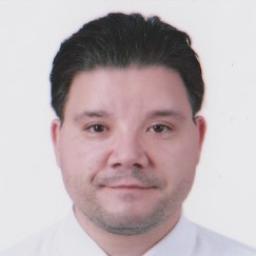
Richard Watson
LCPC
Illinois LCPC - OCD and hoarding focus
License and NPI on record
- Credentials
- LCPC
- License
- LCPC, Illinois · No. 180013962
- NPI
- 1548937170
- Experience
- 9 years
- Languages
- English
- State
- Illinois
As supplied to BetterHelp. A license can be checked with the state board, and an NPI with the national NPI registry.
- Cognitive Behavioral Therapy
- Acceptance and Commitment Therapy
- Mindfulness informed CBT
About Richard
Richard Watson is an Illinois Licensed Clinical Professional Counselor (LCPC) with nine years of experience helping people with anxiety, mood concerns, substance use, and obsessive thoughts and behaviors. He describes therapy as a collaborative process where the client’s perspective leads the work and the therapist provides guidance and skills.
He draws on Cognitive Behavioral Therapy (CBT), Acceptance and Commitment Therapy (ACT), and mindfulness-informed CBT in session. That means clients learn to notice unhelpful thoughts, try small experiments, and practice new ways of responding to urges and rituals. Sessions are practical and focused on real-life change rather than abstract theory.
Richard uses a trauma-informed stance and pays attention to how past experiences shape current reactions. He asks people to be willing to face discomfort when needed, because change often follows doing things that feel difficult at first. He also uses motivational interviewing ideas to support readiness for change when substance use or ambivalence is involved.
Many people come for help with anxiety, depression, addiction, grief, relationship strain, sleep problems, and obsessive-compulsive symptoms. He also lists caregiver stress, codependency, control issues, impulsivity, and veteran-related concerns among his focus areas.
In sessions, expect clear explanations, practical exercises between meetings, and direct feedback about what’s helping. He works in English and with clients in Illinois, and he accepts international clients through the service. To begin, the site process asks new people to complete a short questionnaire and schedule a first appointment.
How ACT, CBT and mindfulness work in remote sessions
Richard uses Cognitive Behavioral Therapy to help people identify and change thoughts and behaviors that keep problems going. In practice that can mean tracking triggers, trying small behavioral experiments, and rehearsing alternative responses to compulsions or urges.He also uses Acceptance and Commitment Therapy to help people notice difficult thoughts and feelings without getting pushed around by them. ACT often focuses on values and committed actions, which can guide decisions when intrusive thoughts feel overwhelming.
Mindfulness-informed CBT brings attention training and simple mindfulness exercises into the work. These techniques aim to reduce reactivity to intrusive thoughts and improve concentration for daily tasks and sleep.
Finding the right mix of approaches is part of the work. He will collaborate with each person to choose methods that fit their goals, preferences, and what feels manageable week to week. That conversation can start in the first few sessions and change over time.
The profile does not specify exact session formats, so confirm current options before booking. Online work can make it easier to fit appointments into a busy schedule, reduce travel time, allow shorter check-ins when needed, and make it simpler to continue therapy if relocation or travel occurs.
Areas of expertise
Primary focus
Also works with
Additional focus areas
Therapeutic approaches
Experience
9+ years
Credentials
Illinois
Languages
English
Frequently asked questions
What concerns does he commonly address?
He works with anxiety, depression, substance use, obsessive-compulsive symptoms, grief, sleep problems, and related issues like caregiver stress and codependency.
What therapeutic approaches does he use?
Sessions are built around Cognitive Behavioral Therapy, Acceptance and Commitment Therapy, and mindfulness-informed CBT, with elements of motivational interviewing and solution-focused work when helpful.
How much clinical experience does he have?
He has nine years of experience as a clinician working with mood disorders, addictions, trauma-informed care, and obsessive-compulsive presentations.
What are his credentials and where is he based?
He is an Illinois LCPC and practices out of Illinois.
Which languages are supported for sessions?
Sessions are offered in English and he accepts international clients through the platform.
What session formats are available?
The original profile does not list specific session formats; please confirm current online and in-person options before booking.
How are fees handled?
Cost varies with location and sessions use a subscription model that can be canceled at any time.
How do I start working with him?
Select the See online therapy options button, complete the short matching questionnaire, and schedule your first session.
Before you reach out
- Check that the state license on record covers the state you live in.
- If exposure and response prevention (ERP) or another method matters to you, ask whether and how this counselor uses it.
- You do not need to explain every thought or ritual at the start. One example is enough.
- A profile shows the topics a counselor lists; it is not a diagnosis or a promise of results.
If you feel unsafe right now, call or text 988, or call 911.