Counselor profile
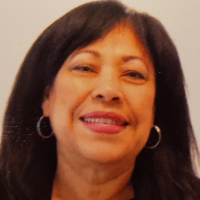
Dr. Pamela Vernon Stewart
LCPC
Dr. Pamela Vernon Stewart, IL LCPC - Anxiety and Trauma
License and NPI on record
- Credentials
- LCPC
- License
- LCPC, Illinois · No. 180.009861
- NPI
- 1164044798
- Experience
- 24 years
- Languages
- English
- State
- Illinois
As supplied to BetterHelp. A license can be checked with the state board, and an NPI with the national NPI registry.
- CBT techniques
- DBT skills
- EMDR experience
About Pamela
Dr. Pamela Vernon Stewart is an IL LCPC with 24 years of clinical experience working with adults. She lists stress, anxiety, trauma, mood and substance concerns among the problems she addresses, including OCD and ADHD. She trained at Loyola University and the Illinois School of Professional Psychology and has worked in hospitals, residential settings, and outpatient clinics.
Her practice focuses on talking through current problems and building practical skills. Sessions often include cognitive-behavioral ideas and behavioral strategies to reduce symptoms. She also uses client-centered methods to keep conversations focused on what matters most to the individual.
Dr. Stewart describes her style as integrative and interactive. She draws on Dialectical Behavior Therapy skills for emotion regulation and Eye Movement Desensitization and Reprocessing for trauma-focused work when appropriate. She also uses techniques from Emotionally-Focused Therapy to address relationship and attachment concerns.
Her background includes work with grief, addictions, anger, sleep and eating issues, chronic illness, caregiver stress, and identity or discrimination-related concerns. She notes experience with people across genders and cultural backgrounds and with adults 18 and older.
In sessions she will collaborate with clients to set goals and try methods that fit their situation. Practical tools, skills practice, and regular review of progress are part of her approach. People who prefer a conversational but skills-focused style may find this approach useful.
How therapeutic approaches shape online work
Client-Centered Therapy focuses on listening and following the person's concerns, giving them space to describe what matters most and guiding decisions about goals. Cognitive Behavioral Therapy (CBT) uses short, practical steps to change unhelpful thinking and behavior patterns and is often used for anxiety, OCD-related rituals, and mood problems. Eye Movement Desensitization and Reprocessing (EMDR) is a trauma-focused method that works with distressing memories to reduce their hold; it is typically used when past events are contributing to current symptoms.Choosing an approach is part of the work. The therapist will collaborate with the client to decide which methods to try based on problems, goals, and personal preferences. That plan can be revised as progress is reviewed so choices match what helps most.
The original biography does not list specific online session formats, so confirm session options before booking. In general, online work can make it easier to fit sessions into a busy life, allow shorter check-ins when needed, and reduce travel time. Therapists can use structured skill practice, homework between meetings, and real-time coaching through exercises to keep therapy active and practical.
Areas of expertise
Primary focus
Also works with
Additional focus areas
Therapeutic approaches
Experience
24+ years
Credentials
Illinois
Languages
English
Frequently asked questions
What kinds of problems does she help with?
She works with stress, anxiety, trauma and abuse, depression, addictions, OCD, ADHD, and many related concerns such as grief, relationship issues, sleep and eating problems.
What is her therapy style like?
Her style is integrative and client-centered with practical, skills-based work. Sessions blend conversation with exercises from CBT and DBT when helpful.
How much clinical experience does she have?
She has 24 years of clinical experience, including hospital, residential, and outpatient practice settings.
What are her credentials and where does she practice?
She is an IL LCPC and practices in Illinois.
Does she offer sessions in other languages or to international clients?
Sessions are offered in English and she does not accept international clients.
What session formats are offered?
The original biography does not specify session formats, so confirm current session options before booking.
How does cost work for sessions?
Cost varies with location and sessions use a subscription that can be canceled at any time.
How do I begin working with her?
Select the See online therapy options button, complete the short matching questionnaire, and schedule a first session.
Before you reach out
- Check that the state license on record covers the state you live in.
- If exposure and response prevention (ERP) or another method matters to you, ask whether and how this counselor uses it.
- You do not need to explain every thought or ritual at the start. One example is enough.
- A profile shows the topics a counselor lists; it is not a diagnosis or a promise of results.
If you feel unsafe right now, call or text 988, or call 911.