Counselor profile
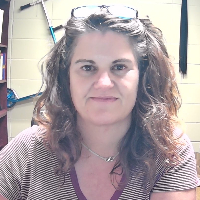
Misha Greer
LPC
Alabama LPC - Anxiety and Relationship Work
License and NPI on record
- Credentials
- LPC
- License
- LPC, Alabama · No. LPC02300
- NPI
- 1952868028
- Experience
- 22 years
- Languages
- English
- State
- Alabama
As supplied to BetterHelp. A license can be checked with the state board, and an NPI with the national NPI registry.
- Anxiety and stress
- Attachment focus
- CBT methods
About Misha
Misha Greer is an Alabama Licensed Professional Counselor (LPC) with 22 years of experience. She works with people facing anxiety, depression, stress, relationship struggles, and identity questions including LGBT concerns. Misha also lists hoarding and OCD among her areas of interest and supports clients coping with trauma, grief, addiction, and life transitions.
Her work is client-centered and practical. Sessions focus on clear steps you can try between meetings. She pays attention to personal history and relationship patterns that keep problems repeating. Expect straightforward talk about what feels stuck and small experiments to test new ways of responding.
Misha uses approaches drawn from attachment-based work and cognitive behavioral techniques. Those methods are used to understand how early relationships shape current reactions and to change unhelpful thoughts and behaviors. Trauma-focused care is included when past events are getting in the way of today’s life.
She commonly helps with self-esteem, communication breakdowns, caregiving stress, and issues around intimacy and commitment. Parents worried about parenting strain, people exploring identity, and those coping with chronic illness or aging concerns are all listed in her focus areas. She also addresses specific topics like codependency, control issues, and body image.
Sessions are conversational and goal-oriented. Misha will work with each person to set clear aims and check progress over time. To begin, clients complete a short questionnaire and schedule a first session through the online options button.
How her approaches work in online sessions
Attachment-based work looks at how early relationships shape current reactions. It helps when patterns of closeness or distance repeat in adult relationships and when trust or boundaries are difficult. Cognitive Behavioral Therapy (CBT) focuses on the links between thoughts, feelings, and actions. It helps break cycles of checking, avoidance, or repetitive thinking by testing small behavior changes.Finding the right approach is part of the work. The therapist and client collaborate to choose methods that fit the person’s goals and preferences. That may mean combining attachment insights with CBT exercises or using trauma-focused steps when past events affect present functioning.
Confirm the session formats before booking, as options are not listed here. Online sessions can make it easier to fit therapy into a busy life, allow shorter check-ins when schedules are tight, and remove the need to travel to an office. Therapists can adapt exercises for video or phone meetings, and practical homework can be planned to suit everyday routines.
Areas of expertise
Primary focus
Also works with
Additional focus areas
Therapeutic approaches
Experience
22+ years
Credentials
Alabama
Languages
English
Frequently asked questions
What kinds of problems does she help with?
She works with anxiety, depression, stress, relationship and identity concerns. Additional areas include trauma, grief, addiction, OCD and hoarding related topics.
What therapeutic style does she use?
The approach is client-centered and practical with attention to attachment patterns. Cognitive Behavioral Therapy and trauma-focused techniques are used when helpful.
How much experience does she have?
She has 22 years of clinical experience supporting people through a wide range of emotional and relational issues.
Where is she licensed and based?
She is an LPC licensed in Alabama and practices from that state.
Which languages are sessions offered in?
Sessions are offered in English.
Can people from other countries work with her?
International clients are not currently accepted.
How are sessions paid for?
Cost varies with location and sessions use a subscription model that can be canceled at any time.
How do I get started with a first session?
Use the See online therapy options button, complete a short matching questionnaire, and schedule an initial session.
Before you reach out
- Check that the state license on record covers the state you live in.
- If exposure and response prevention (ERP) or another method matters to you, ask whether and how this counselor uses it.
- You do not need to explain every thought or ritual at the start. One example is enough.
- A profile shows the topics a counselor lists; it is not a diagnosis or a promise of results.
If you feel unsafe right now, call or text 988, or call 911.