Counselor profile
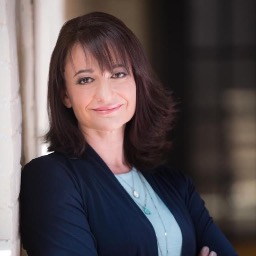
Melissa Fernald
LCSW
LCSW - stress and relationship concerns
License and NPI on record
- Credentials
- LCSW
- License 1
- LCSW, Maine · No. LC18215
- License 2
- LCSW, New Hampshire · No. 5092
- NPI
- 1598070591
- Experience
- 25 years
- Languages
- English
- State
- Maine
As supplied to BetterHelp. A license can be checked with the state board, and an NPI with the national NPI registry.
- CBT techniques
- ACT strategies
- skills for coping
About Melissa
Melissa Fernald is a Licensed Clinical Social Worker (LCSW) in Maine with 25 years of practice experience. She focuses on stress, anxiety, family concerns, trauma and abuse, depression, ADHD, addictions, relationship and intimacy-related issues, and related concerns. Melissa describes her work as practical and focused, aimed at helping people handle what is happening now.
She has worked in hospitals, community programs, and independent practice. That background gives her experience with a wide range of life challenges, including caregiver stress, blended family issues, and substance concerns. Sessions tend to emphasize concrete skills people can use between meetings.
Melissa uses several evidence-informed approaches such as Acceptance and Commitment Therapy (ACT), Cognitive Behavioral Therapy (CBT), and Dialectical Behavior Therapy (DBT). She blends these tools to address patterns of avoidance, rigid thinking, and emotional overwhelm. Conversations often include behavior-focused strategies and skills practice.
Her style is down-to-earth and direct. Melissa aims to be honest and straightforward while keeping things practical. She often helps people break larger problems into manageable steps and track small, steady progress.
People who reach out usually want to feel less stuck and more able to handle daily stressors. Melissa supports work on coping skills, communication, impulse control, and rebuilding a clearer sense of purpose. She works in English and practices from Maine as an LCSW in both ME and NH.
To begin, prospective clients use the site's matching tools to schedule a first session and complete a short questionnaire that helps plan initial goals.
Approaches used in virtual sessions
Acceptance and Commitment Therapy (ACT) helps people notice difficult thoughts and choose actions that match their values. It focuses on behavior change and practical steps for living despite uncomfortable thoughts or urges. Cognitive Behavioral Therapy (CBT) looks at the links between thoughts, feelings, and actions; it teaches skills to test and adjust unhelpful thinking and to change behaviors that keep problems going. Dialectical Behavior Therapy (DBT) offers concrete skills for handling intense emotion, improving distress tolerance, and strengthening interpersonal effectiveness.Choosing which approach to use is a collaborative process. The therapist will discuss your goals and preferences, try strategies that fit your situation, and adjust methods as you learn what helps. Sessions usually combine skill teaching, in-session practice, and tasks to try between meetings so progress can be tracked.
Session formats are not specified in the biography, so confirm current options before booking. Online work can make it easier to fit therapy into a busy week, shorten travel time, and allow shorter check-ins when needed. It can also let people use audio-only meetings when video is not ideal, or schedule sessions around work and caregiving responsibilities. Licensed professionals and therapists commonly adapt pacing and homework to how people actually live their lives.
Areas of expertise
Primary focus
Also works with
Additional focus areas
Therapeutic approaches
Experience
25+ years
Credentials
Maine, New Hampshire
Languages
English
Frequently asked questions
What kinds of problems does she help with most often?
She helps with stress, anxiety, family and relationship concerns, trauma and abuse, depression, ADHD, addictions, parenting, and related issues.
What is her therapeutic style like?
Her approach is solution-focused and strength-based, using straightforward, practical talk and skills work rather than long, open-ended exploration.
How much clinical experience does she have?
She has 25 years of experience working in hospitals, community programs, and independent practice settings.
What credentials and region does she practice in?
She is an LCSW licensed in Maine and New Hampshire and practices from Maine.
Which languages are supported for sessions?
Sessions are offered in English.
Are international clients accepted?
International clients are not accepted at this time.
How are fees and billing handled?
Cost varies by location and services use a subscription that can be canceled at any time.
How do I get started with a first session?
Select the See online therapy options button, complete the short matching questionnaire, and schedule a first session.
Before you reach out
- Check that the state license on record covers the state you live in.
- If exposure and response prevention (ERP) or another method matters to you, ask whether and how this counselor uses it.
- You do not need to explain every thought or ritual at the start. One example is enough.
- A profile shows the topics a counselor lists; it is not a diagnosis or a promise of results.
If you feel unsafe right now, call or text 988, or call 911.