Counselor profile
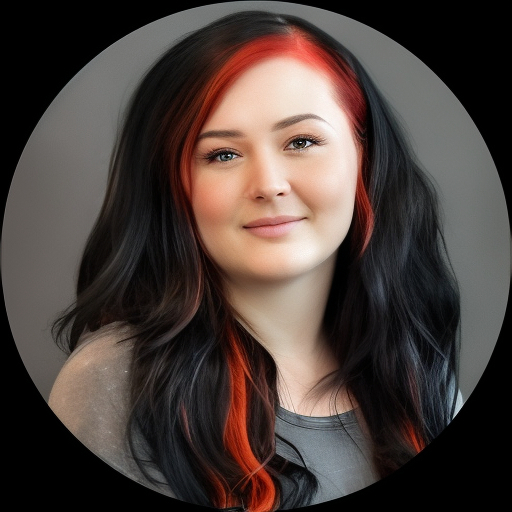
McKayla Phillips
LCMHC
LCMHC in Utah - Anxiety and Addictions
License and NPI on record
- Credentials
- LCMHC
- License
- LCMHC, Utah · No. 14285205-6004
- NPI
- 1447920459
- Experience
- 3 years
- Languages
- English
- State
- Utah
As supplied to BetterHelp. A license can be checked with the state board, and an NPI with the national NPI registry.
- CBT
- DBT skills
- ACT strategies
About McKayla
McKayla Phillips is a Licensed Clinical Mental Health Counselor (LCMHC) with three years of experience practicing in Utah. She sees people dealing with stress, anxiety, addictions, relationship strain, grief, and depression. McKayla also works with concerns such as attachment issues, codependency, control problems, body image, and the effects of trauma.
Her approach mixes practical, skills-based methods and listening. She uses Cognitive Behavioral Therapy (CBT) to identify unhelpful thought patterns and build clearer thinking. Dialectical Behavior Therapy (DBT) skills are used to manage intense emotions and improve coping in the moment. Acceptance and Commitment Therapy (ACT) helps people notice difficult thoughts while choosing actions that match their values.
McKayla draws on attachment-based ideas to look at how early relationships influence current patterns. Client-centered therapy provides a setting where the person leads the conversation and the therapist follows their concerns. Sessions focus on specific problems and small steps that people can try between meetings.
She has experience supporting people facing grief, recovery from addictions, and stress tied to caregiving or major life change. The work often includes practice exercises, behavioral experiments, and planning for setbacks. McKayla emphasizes clear, straightforward talk and concrete tools rather than abstract theory.
People can expect short-term skills work or longer support depending on goals. The profile lists Utah as her practice location and English as the language used in sessions. Prospective clients are asked to use the platform buttons to begin the intake process and schedule a first appointment.
How her therapeutic methods translate to online work
Acceptance and Commitment Therapy (ACT) helps people notice painful thoughts and feelings without getting overwhelmed, then choose actions that fit their values. It is often used for anxiety, repetitive thinking, and when avoidance keeps people stuck.Cognitive Behavioral Therapy (CBT) focuses on identifying unhelpful thoughts and testing them with behavioral experiments. CBT tends to be practical and goal-focused, useful for anxiety, depression, and patterns of checking or worry.
Dialectical Behavior Therapy (DBT) provides emotion regulation and distress tolerance skills. These tools can help when intense feelings lead to impulsive behavior or make daily tasks hard to complete.
Finding the right approach is part of the work. The therapist will collaborate with the client to decide which methods fit best, based on their goals and preferences. That may mean trying a mix of ACT, CBT, or DBT skills and adjusting as progress is made.
The original biography does not list specific online session formats, so confirm available options before booking. Online sessions can make it easier to fit therapy into busy days, remove travel time, and allow for shorter check-ins when needed. They also let a therapist observe how someone manages real-world routines and practice skills in context.
Areas of expertise
Primary focus
Additional focus areas
Therapeutic approaches
Experience
3+ years
Credentials
Utah
Languages
English
Frequently asked questions
What kinds of concerns does she help with?
She works with stress, anxiety, addictions, relationship strain, grief, and depression, plus related issues like attachment concerns and control problems.
What approach does she use in sessions?
She blends evidence-based methods including Cognitive Behavioral Therapy, Dialectical Behavior Therapy, Acceptance and Commitment Therapy, attachment-informed work, and client-centered listening.
How much clinical experience does she have?
She has three years of experience as a Licensed Clinical Mental Health Counselor (LCMHC) practicing in Utah.
Where is she based and what is her credential?
She practices in Utah and holds the UT LCMHC credential.
Are sessions offered in other languages or internationally?
Sessions are offered in English and she accepts international clients.
What session formats are available?
The original profile does not specify session formats; confirm current session options before booking.
How are costs handled?
Costs vary with location and sessions use a subscription that can be canceled at any time.
How do I begin working with her?
Select the See online therapy options button, complete a short matching questionnaire, and schedule a first session.
Before you reach out
- Check that the state license on record covers the state you live in.
- If exposure and response prevention (ERP) or another method matters to you, ask whether and how this counselor uses it.
- You do not need to explain every thought or ritual at the start. One example is enough.
- A profile shows the topics a counselor lists; it is not a diagnosis or a promise of results.
If you feel unsafe right now, call or text 988, or call 911.