Counselor profile
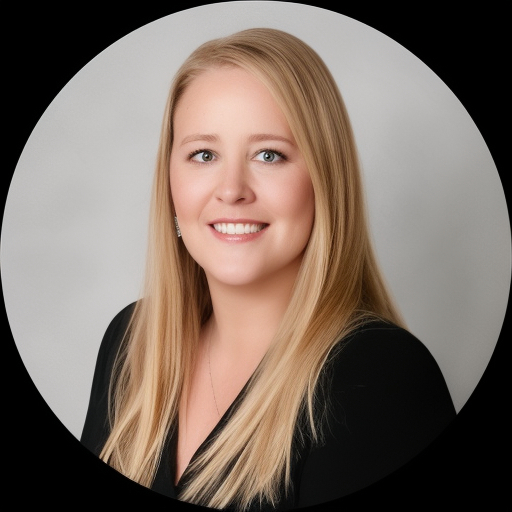
Marsha Hatchel
LCSW
LCSW in Illinois - anxiety and stress care
License and NPI on record
- Credentials
- LCSW
- License
- LCSW, Illinois · No. 149027760
- NPI
- 1497450548
- Experience
- 5 years
- Languages
- English
- State
- Illinois
As supplied to BetterHelp. A license can be checked with the state board, and an NPI with the national NPI registry.
- LCSW Illinois
- Anxiety and stress
- Coaching and coping
About Marsha
Marsha Hatchel is an Illinois LCSW with five years of clinical experience helping people manage stress, anxiety, low self-esteem, depression, and major life changes. She describes her work as practical and focused on helping clients develop skills they can use between sessions. Marsha writes that she also offers coaching for people who want structured support while making changes.
She sees a broad range of concerns beyond those core areas. These include abandonment and attachment issues, caregiver stress, chronic illness and pain, body image, communication and control difficulties, and challenges that come with aging. She helps people who feel stuck by breaking problems into smaller steps and practicing manageable changes.
Her practice draws on evidence-based therapeutic techniques aimed at teaching coping skills, reducing overwhelm, and improving day-to-day functioning. Sessions focus on clear strategies rather than jargon. The work often includes short-term skill building and problem-solving that a person can try between appointments.
Marsha emphasizes direct, collaborative work. She listens for what is getting in the way of daily life and then tries out approaches that address those barriers. Progress is tracked in simple terms so people can see what is helping.
People reading on a phone will find her tone straightforward. Instructions are practical, and the emphasis is on usable tools for handling intrusive thoughts, checking behaviors, or difficulty letting go of possessions rather than abstract theory.
How evidence-based methods translate to online care
Marsha uses evidence-based therapeutic techniques focused on teaching skills and changing behavior. One common approach involves cognitive techniques that help people identify and change unhelpful thinking patterns; this work aims to reduce worry and improve mood by practicing different ways of thinking. Another emphasis is behavioral work that breaks larger problems into small, repeatable actions to reduce avoidance and improve daily functioning. Choosing the right approach is part of the work together. The therapist collaborates with each person to pick methods that fit their goals and everyday life. Techniques can be adjusted as progress is tracked and new needs appear. Online sessions can make it easier to fit therapy into a busy routine and reduce travel time. They also allow shorter check-ins when a quick strategy review is needed or longer sessions for skills practice. Because the biography does not list specific session formats, confirm current session options before booking so you know which formats are offered and can plan how therapy will fit into your week.Areas of expertise
Primary focus
Additional focus areas
Experience
5+ years
Credentials
Illinois
Languages
English
Frequently asked questions
What kinds of concerns does she address?
She works with stress, anxiety, depression, low self-esteem, coping with life changes, and coaching. Additional areas include attachment issues, caregiver stress, chronic illness, body image, and communication problems.
What is her therapeutic style?
Her approach is practical and skills-focused, using evidence-based techniques to build coping strategies and reduce daily distress. Sessions emphasize clear steps and behaviors to practice between meetings.
How much clinical experience does she have?
She has five years of experience working as a clinician. That background informs her focus on concrete strategies and measurable progress.
What are her credentials and where is she located?
She is an LCSW licensed in Illinois and practices from that state. The credential listed is LCSW.
Which languages are sessions offered in?
Sessions are offered in English.
Does she work with international clients?
International clients are not currently accepted.
How are costs handled?
Cost varies with location and sessions use a subscription model that can be canceled at any time. Exact pricing is provided during sign-up.
How do I begin the process?
Use the See online therapy options button, complete the short matching questionnaire, and schedule a first session. That questionnaire helps match your concerns and preferences.
Before you reach out
- Check that the state license on record covers the state you live in.
- If exposure and response prevention (ERP) or another method matters to you, ask whether and how this counselor uses it.
- You do not need to explain every thought or ritual at the start. One example is enough.
- A profile shows the topics a counselor lists; it is not a diagnosis or a promise of results.
If you feel unsafe right now, call or text 988, or call 911.