Counselor profile
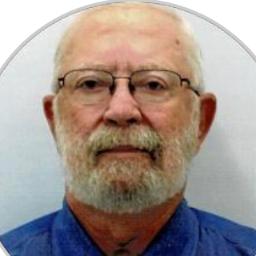
Louis Koch
LSCSW, LCSW
LCSW clinician - anxiety and relationship concerns
License and NPI on record
- Credentials
- LSCSW, LCSW
- License 1
- LSCSW, Kansas · No. LSCSW 0278
- License 2
- LCSW, Missouri · No. 002911
- NPI
- 1386855831
- Experience
- 40 years
- Languages
- English
- State
- Kansas
As supplied to BetterHelp. A license can be checked with the state board, and an NPI with the national NPI registry.
- CBT methods
- Client-centered
- DBT skills
About Louis
Louis Koch is an LSCSW (Licensed Specialist Clinical Social Worker) and LCSW (Licensed Clinical Social Worker) licensed in Missouri with 40 years of professional experience. He focuses on stress, anxiety, addictions, LGBT concerns, relationship issues, and related problems people bring to therapy. He speaks English and practices from Kansas and Missouri licensure details.
Louis keeps sessions direct and straightforward. He helps people talk through upsetting thoughts and behaviors. He aims to reduce the burden of checking, rumination, avoidance, and compulsive patterns by working step by step. Sessions are conversational and grounded in practical strategies.
His background spans many settings over four decades, giving him experience with grief, trauma, eating and sleeping problems, anger, self-esteem, and career strain. He also addresses issues such as attachment, codependency, dissociation, and first responder stress. Clients who need help with life changes, coping skills, or relationship concerns will find familiar topics in his work.
Louis draws on a mix of approaches to fit the problem at hand. He uses client-centered methods to listen and make space for the client’s experience. He integrates cognitive behavioral tools to address unhelpful thoughts and behaviors, and elements of dialectical skills for emotion regulation.
He encourages people to take small, practical steps that fit their lives. New clients are guided through a short matching questionnaire and a first appointment is scheduled after that. The practice uses a subscription model that can be canceled at any time.
How his approaches translate to online work
Client-Centered Therapy focuses on listening and treating the client as the expert on their experience. Online sessions let the therapist follow the client’s pace and reflect back what matters most, which helps with feeling understood and clarifying goals.Cognitive Behavioral Therapy (CBT) addresses the links between thoughts, feelings, and actions. In online sessions CBT can be used to map patterns, set small experiments, and practice new behaviors between meetings to reduce checking, avoidance, and repetitive thinking.
Dialectical Behavior Therapy (DBT) offers concrete skills for managing intense emotions and improving distress tolerance. Online meetings can teach and rehearse these skills through role play, worksheets, and stepwise practice tailored to everyday situations.
Choosing an approach is collaborative. The therapist will discuss options, try strategies, and adjust based on how the work is progressing and what the client prefers. The emphasis is on finding methods that fit the person’s goals and day-to-day life.
Session formats should be confirmed before booking. If you plan to use online sessions, check which formats are offered and choose what fits your routine. Online work can make it easier to fit therapy into a busy day, allow shorter check-ins when needed, and reduce travel time so sessions happen more consistently.
Areas of expertise
Primary focus
Also works with
Additional focus areas
Therapeutic approaches
Experience
40+ years
Credentials
Kansas, Missouri
Languages
English
Frequently asked questions
What kinds of concerns does he address?
He works with stress, anxiety, addictions, LGBT issues, relationship problems, depression, trauma, grief, eating and sleeping problems, and many related concerns.
What is his therapeutic style like?
Sessions are conversational and practical. He combines listening with concrete tools from cognitive and behavioral approaches.
How much experience does he have?
He has 40 years of professional experience in clinical work and related settings.
What are his credentials and where is he based?
He holds LSCSW and LCSW credentials and is licensed in Missouri with practice ties to Kansas.
Which languages are offered for sessions?
Sessions are offered in English.
Can international clients work with him?
International clients are not accepted at this time.
How are sessions paid for and what does it cost?
Cost varies with location and sessions use a subscription that can be canceled at any time.
How do I begin if I want to work together?
Click the See online therapy options button, complete a short matching questionnaire, and schedule a first session.
Before you reach out
- Check that the state license on record covers the state you live in.
- If exposure and response prevention (ERP) or another method matters to you, ask whether and how this counselor uses it.
- You do not need to explain every thought or ritual at the start. One example is enough.
- A profile shows the topics a counselor lists; it is not a diagnosis or a promise of results.
If you feel unsafe right now, call or text 988, or call 911.