Counselor profile
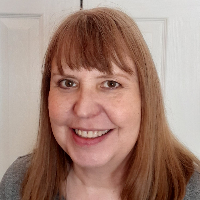
Lisa Daly
LCSW, LSCSW
Licensed clinical social worker - OCD and hoarding focus
License and NPI on record
- Credentials
- LCSW, LSCSW
- License 1
- LCSW, Missouri · No. 002369
- License 2
- LSCSW, Kansas · No. LSCSW 2430
- NPI
- 1346297512
- Experience
- 19 years
- Languages
- English
- State
- Missouri
As supplied to BetterHelp. A license can be checked with the state board, and an NPI with the national NPI registry.
- Client-centered approach
- Cognitive behavioral therapy
- Solution-focused work
About Lisa
Lisa Daly is a Licensed Clinical Social Worker (LCSW) in Missouri and a Licensed Specialist Clinical Social Worker (LSCSW) in Kansas with 19 years of experience. She helps people dealing with stress, anxiety, depression, grief, relationship strain, parenting concerns, and obsessions, compulsions, and OCD. She also works with concerns such as addiction, bipolar mood issues, ADHD, and issues that arise around aging and caregiving.
Her style starts with listening. She uses a client-centered way of working and offers practical options rather than one-size-fits-all solutions. She believes clients are the experts on their lives and prefers short-term, goal-focused work when that fits the person’s needs. If something else is needed, she will suggest a referral.
In sessions she focuses on improving communication, increasing self-esteem, and managing control issues and compulsions. She draws on approaches that include cognitive behavioral therapy and emotionally-focused work to address patterns that keep people stuck. She also uses solution-focused tools to set clear, achievable steps toward change.
Lived problems such as family of origin issues, caregiver stress, guilt and shame, isolation, and midlife transitions are commonly part of the work she does. She aims to help people reduce unhelpful coping habits and build clearer routines that support daily functioning.
Her practice is rooted in straightforward discussion and active planning. People meet to identify specific goals, try practical strategies between sessions, and check progress regularly. This keeps work focused and makes it easier to see what is changing.
How therapeutic approaches guide online sessions
She uses a client-centered approach that begins by listening to what matters most to the person. That means sessions focus on the concerns you raise and on choices that make sense for your life. Cognitive behavioral therapy (CBT) is used to identify unhelpful thoughts and behaviors and to test new ways of responding. It is often helpful for anxiety, mood problems, and obsessive-compulsive patterns. Emotionally-focused work helps people notice and name strong feelings, and it supports clearer communication in relationships and around intimacy.Finding the right approach is part of the work. She will collaborate with clients to decide which methods fit best based on goals and preferences. That collaborative process includes trying techniques, checking how they land, and adjusting the plan together so sessions remain practical and focused.
The biography does not list specific online formats, so confirm current session options before booking. In general, online work can make it easier to fit therapy into a busy day, allow shorter check-ins when needed, and reduce travel time. Some clients find video helpful for face-to-face conversation; others prefer a phone check-in when they need less bandwidth or a quicker meeting. A plan will be agreed on that fits scheduling needs and therapy goals.
Areas of expertise
Primary focus
Also works with
Additional focus areas
Therapeutic approaches
Experience
19+ years
Credentials
Missouri, Kansas
Languages
English
Frequently asked questions
What kinds of concerns does she address?
She works with stress, anxiety, depression, grief, relationship and parenting issues, addictions, mood conditions, and obsessions, compulsions, and OCD among other concerns.
How does she usually approach therapy?
She begins with client-centered listening and offers practical options. Techniques draw on cognitive behavioral therapy, emotionally-focused methods, and solution-focused tools.
How much clinical experience does she bring?
She has 19 years of clinical experience working with individuals and on relationship and family concerns.
What are her credentials and where is she based?
She is an LCSW (Licensed Clinical Social Worker) in Missouri and an LSCSW (Licensed Specialist Clinical Social Worker) in Kansas, and practices from Missouri.
Does she work in languages other than English?
Sessions are offered in English only.
What session formats are offered?
The original biography does not specify session formats; please confirm current session options before booking.
How much do sessions cost?
Cost varies with location and sessions use a subscription that can be canceled at any time.
How do I begin working with her?
Choose the See online therapy options button, complete a short matching questionnaire, and schedule an initial session.
Before you reach out
- Check that the state license on record covers the state you live in.
- If exposure and response prevention (ERP) or another method matters to you, ask whether and how this counselor uses it.
- You do not need to explain every thought or ritual at the start. One example is enough.
- A profile shows the topics a counselor lists; it is not a diagnosis or a promise of results.
If you feel unsafe right now, call or text 988, or call 911.