Counselor profile
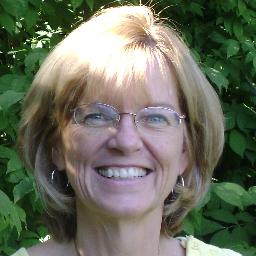
Linda Hill
LCPC
Licensed Clinical Professional Counselor - Anxiety and Life Changes
License and NPI on record
- Credentials
- LCPC
- License
- LCPC, Idaho · No. LCPC-4028
- NPI
- 1053775320
- Experience
- 24 years
- Languages
- English
- State
- Idaho
As supplied to BetterHelp. A license can be checked with the state board, and an NPI with the national NPI registry.
- ACT techniques
- CBT tools
- Relationship work
About Linda
Linda Hill is a Licensed Clinical Professional Counselor (LCPC) in Idaho with 24 years of experience in the mental health field. She works with stress, anxiety, depression, grief, relationship and intimacy concerns, trauma and abuse, bipolar concerns, compassion fatigue, and life changes. Linda also addresses family-related stressors and a wide range of related challenges that can make everyday life harder.
She believes therapy begins with a real connection between counselor and client. That connection makes it easier to notice patterns, try small changes, and build practical skills. Sessions focus on clear steps clients can use between meetings to reduce distress and gain more control over daily routines.
Linda draws on approaches such as Acceptance and Commitment Therapy (ACT), Cognitive Behavioral Therapy (CBT), Dialectical Behavior Therapy (DBT), Attachment-Based Therapy, and Client-Centered Therapy. She blends these methods to match the client’s needs, using tools for thinking differently, managing strong emotions, and improving relationships.
Her work includes attention to issues like abandonment, attachment concerns, adoption and foster care questions, aging and geriatric needs, autism and Asperger Syndrome, body image, chronic illness and pain, codependency, and communication problems. She aims to help people find clearer priorities and fewer reactive habits.
Clients can expect straightforward conversation and skill-building. Linda encourages small experiments in daily life and reviews what worked. That practical focus helps people move past stuck patterns and regain steadier functioning.
How her approaches translate to online sessions
Linda uses CBT to help people notice and change unhelpful thinking patterns and behaviors. CBT often involves short exercises and experiments that can be practiced between sessions to reduce repeated checking, avoidance, or anxious thoughts.She also applies Acceptance and Commitment Therapy (ACT) to help people clarify their values and act in ways that matter to them, even when intrusive thoughts or urges are present. ACT teaches simple exercises for staying connected to goals rather than being driven by every anxious thought.
Finding the right approach is part of the work. Linda will collaborate with each person to decide which methods fit their goals and preferences. That means trying tools, checking what helps, and adjusting the plan based on real results and client feedback.
Please confirm current session options before booking, as the biography does not list specific formats. Online sessions can make it easier to keep regular appointments and fit therapy into a busy day. They can also allow for shorter check-ins when time is limited or meetings without video when that feels more practical. Many people find remote sessions reduce travel time and simplify scheduling while allowing the same practical skill practice used in face-to-face work.
Areas of expertise
Primary focus
Also works with
Additional focus areas
Therapeutic approaches
Experience
24+ years
Credentials
Idaho
Languages
English
Frequently asked questions
What kinds of problems does she help with most often?
She helps people with stress, anxiety, depression, grief, relationship and intimacy issues, trauma and abuse, bipolar concerns, compassion fatigue, and coping with life changes.
What approach does she use in sessions?
She combines Acceptance and Commitment Therapy, Cognitive Behavioral Therapy, Dialectical Behavior Therapy, Attachment-Based Therapy, and Client-Centered Therapy to match the client’s needs.
How much experience does she have?
She has 24 years of experience working in the mental health field.
Where is she based and what credential does she hold?
She is based in Idaho and holds the LCPC credential.
Does she offer sessions in languages other than English?
Sessions are offered in English.
Can people outside the United States work with her?
She accepts international clients.
How are sessions paid for and what do they cost?
Cost varies with location and sessions use a subscription that can be canceled at any time.
How do I begin working with her?
Select the See online therapy options button, complete a short matching questionnaire, and schedule a first session.
Before you reach out
- Check that the state license on record covers the state you live in.
- If exposure and response prevention (ERP) or another method matters to you, ask whether and how this counselor uses it.
- You do not need to explain every thought or ritual at the start. One example is enough.
- A profile shows the topics a counselor lists; it is not a diagnosis or a promise of results.
If you feel unsafe right now, call or text 988, or call 911.