Counselor profile
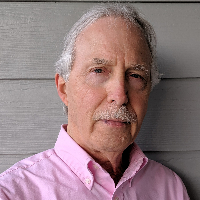
Dr. Leslie "Les" Netland
OR Psychologist
Oregon psychologist - anxiety and relationship concerns
License and NPI on record
- Credentials
- OR Psychologist
- License
- Psychologist, Oregon · No. 3296
- NPI
- 1336231042
- Experience
- 30 years
- Languages
- English
- State
- Oregon
As supplied to BetterHelp. A license can be checked with the state board, and an NPI with the national NPI registry.
- CBT methods
- Client-centered care
- Mindfulness tools
About Leslie
Dr. Leslie "Les" Netland is an Oregon psychologist with 30 years of clinical experience. He works with people dealing with stress, anxiety, relationship strain, mood concerns, addictions, and issues like ADHD, grief, and parenting challenges. He is listed as OR Psychologist 3296 and practices in Oregon.
Les trained over many years in academic and professional settings and has worked in a wide range of places. His background includes work in a state hospital, a county jail, nursing homes, a personal psychiatric hospital, and personal practices. He has also provided services through Employee Assistance Programs (EAP) and managed related contracts.
He most often works with individuals in their late teens and older. In sessions he describes counseling as a practical process for learning about oneself and relationships, and for making change where a person has responsibility or control. He sees his role as teacher, analyst, and facilitator rather than an authority figure.
Les uses a mix of approaches depending on the concern. He draws on client-centered methods, cognitive-behavioral techniques, psychodynamic ideas, solution-focused steps, and mindfulness tools. That mix is used to build skills, shift unhelpful patterns, and increase awareness of thoughts and feelings.
Sessions focus on clear goals and skill building. He aims to offer concrete techniques and perspectives based on decades of experience. People who want straightforward strategies for intrusive thoughts, compulsive behaviors, relationship problems, or life transitions may find his approach practical and direct.
Therapeutic approaches and online sessions
Dr. Netland uses cognitive-behavioral therapy and client-centered methods alongside mindfulness practices. Cognitive-behavioral therapy (CBT) focuses on identifying unhelpful thinking and testing new behaviors; it often helps with anxiety, compulsive rituals, and mood symptoms. Client-centered therapy emphasizes listening and supporting the person's own goals and choices, which can help people clarify what they want to change. Mindfulness therapy teaches simple attention and breathing skills to reduce reactivity and notice intrusive thoughts without acting on them.Finding the right mix of approaches is part of the work. He will collaborate with each person to decide which methods match their goals and preferences. That conversation usually starts by looking at what causes the most distress and what practical steps feel doable in daily life.
Session options are not specified in the biography, so please confirm current online formats before booking. Online sessions can make it easier to fit meetings into a busy week, allow shorter check-ins when needed, and reduce travel time. Many people appreciate being able to continue regular appointments from different locations and to practice skills between sessions under the therapist's guidance.
Areas of expertise
Primary focus
Also works with
Additional focus areas
Therapeutic approaches
Experience
30+ years
Credentials
Oregon
Languages
English
Frequently asked questions
What kinds of problems does he help with most often?
He works with stress, anxiety, relationship issues, depression, addictions, grief, parenting concerns, ADHD, and related problems.
What is his general therapy style?
He blends client-centered listening with cognitive-behavioral techniques, psychodynamic insight, mindfulness, and solution-focused steps to teach skills and shift patterns.
How much clinical experience does he have?
He has about 30 years of clinical experience in hospitals, jails, nursing homes, personal psychiatric settings, and independent practice.
What are his credentials and where does he practice?
He is listed as OR Psychologist 3296 and practices in Oregon.
Which languages are supported for sessions?
Sessions are offered in English.
Can international clients work with him?
International clients are not accepted at this time.
How does pricing work for sessions?
Cost varies with location and sessions use a subscription that can be canceled at any time.
How do I begin working with him?
Click the See online therapy options button, complete the short matching questionnaire, and schedule your first session.
Before you reach out
- Check that the state license on record covers the state you live in.
- If exposure and response prevention (ERP) or another method matters to you, ask whether and how this counselor uses it.
- You do not need to explain every thought or ritual at the start. One example is enough.
- A profile shows the topics a counselor lists; it is not a diagnosis or a promise of results.
If you feel unsafe right now, call or text 988, or call 911.