Counselor profile
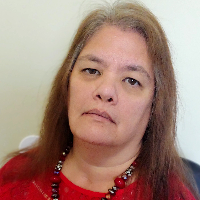
Lani Ete
LCMHC
Licensed Clinical Mental Health Counselor - OCD and hoarding focus
License and NPI on record
- Credentials
- LCMHC
- License
- LCMHC, Utah · No. 6831497-6004
- NPI
- 1255518080
- Experience
- 17 years
- Languages
- English
- State
- Utah
As supplied to BetterHelp. A license can be checked with the state board, and an NPI with the national NPI registry.
- CBT techniques
- ACT principles
- Attachment focus
About Lani
Lani Ete is a Licensed Clinical Mental Health Counselor (LCMHC) with 17 years of experience based in Utah. She works with stress, anxiety, trauma and abuse, anger, depression, addictions, relationship and family concerns, grief, intimacy-related issues, sleep problems, parenting stress, self-esteem, career changes, bipolar disorder, ADHD, and related challenges.
Lani uses a mix of approaches to match what each person brings. She draws from cognitive behavioral methods, client-centered work, acceptance and commitment ideas, attachment-focused thinking, and skills from dialectical behavior therapy. Sessions focus on identifying patterns, trying practical strategies, and practicing skills between meetings.
Her style emphasizes clear collaboration. She asks clients to take responsibility for homework and regular practice so progress continues between sessions. That can mean short exercises, thought records, or behavioral experiments depending on the concern.
Lani completed a master’s degree in Mental Health Counseling in 2007 from the University of Phoenix. She began online practice during the COVID pandemic and continues to offer telehealth care from Utah. Her credential is LCMHC, which stands for Licensed Clinical Mental Health Counselor.
She aims to help people notice how past and present relationship experiences affect current problems. Common session work includes addressing compulsive worry, avoidance, relationship patterns, grief, addiction-related behaviors, and difficulty letting go. Clients are encouraged to set clear goals and to follow through between sessions.
How her approaches translate to online work
Acceptance and Commitment Therapy (ACT) helps people notice thoughts and feelings without getting stuck in them, then choose actions that match their values. It can help when intrusive thoughts or avoidance limit life.Cognitive Behavioral Therapy (CBT) focuses on identifying unhelpful thinking and behavior patterns and testing them with practical exercises. CBT is often used for anxiety, compulsive checking, and mood problems by breaking cycles that keep symptoms going.
Finding the right approach is part of the work. The therapist will collaborate with the client to choose methods that fit goals, needs, and personal preferences. That might mean starting with skills training, then adding exposure-type tasks or attachment-focused exploration as needed.
The biography indicates she practices via online telehealth only. Confirm the exact session options before booking so you know how meetings are scheduled. Online work can make it easier to fit sessions into a busy day, reduce travel time, and allow shorter check-ins when needed. It also supports doing real-world exercises between meetings and reviewing homework together using shared documents or screens.
Areas of expertise
Primary focus
Also works with
Additional focus areas
Therapeutic approaches
Experience
17+ years
Credentials
Utah
Languages
English
Frequently asked questions
What kinds of concerns does she address?
She works with stress, anxiety, trauma and abuse, anger, depression, addictions, relationship and family issues, grief, sleep problems, parenting strain, self-esteem, ADHD and related concerns.
How would you describe her therapeutic approach?
Her approach is eclectic and practical, combining CBT, client-centered work, ACT, attachment-based ideas, and DBT skills to match what a person needs.
How much clinical experience does she have?
She has 17 years of experience in mental health counseling, with a master’s degree completed in 2007.
What credentials and location are listed?
She holds the LCMHC credential and practices from Utah.
Does she offer sessions in other languages or to international clients?
Sessions are offered in English, and international clients are accepted.
What session formats are available?
The original biography states she currently practices via online telehealth only, so confirm current session options before booking.
How is payment handled and what does it cost?
Cost varies with location; sessions use a subscription that can be canceled at any time.
How do I begin working with her?
Select the See online therapy options button, complete a short matching questionnaire, and schedule a first session.
Before you reach out
- Check that the state license on record covers the state you live in.
- If exposure and response prevention (ERP) or another method matters to you, ask whether and how this counselor uses it.
- You do not need to explain every thought or ritual at the start. One example is enough.
- A profile shows the topics a counselor lists; it is not a diagnosis or a promise of results.
If you feel unsafe right now, call or text 988, or call 911.