Counselor profile
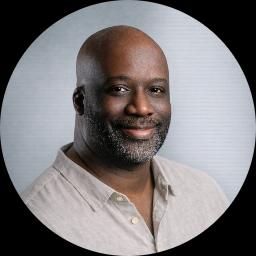
Keith Jones
LCSW, LICSW
Licensed clinical social worker - anxiety and relationships
License and NPI on record
- Credentials
- LCSW, LICSW
- License 1
- LCSW, Florida · No. SW20002
- License 2
- LISW-CP, South Carolina · No. 4635
- License 3
- LICSW, Alabama · No. 5305C
- NPI
- 1043357973
- Experience
- 25 years
- Languages
- English
- State
- South Carolina
As supplied to BetterHelp. A license can be checked with the state board, and an NPI with the national NPI registry.
- CBT
- ACT
- DBT
About Keith
Keith Jones is a Licensed Clinical Social Worker (LCSW) and a Licensed Independent Clinical Social Worker (LICSW) with 25 years of practice. He works from South Carolina and helps people deal with anxiety, depression, relationship strains, and life changes. He also lists OCD and hoarding among the areas he focuses on.
Keith uses straightforward, talk-and-skill methods. He draws on cognitive behavioral therapy (CBT), acceptance and commitment therapy (ACT), attachment-based ideas, client-centered techniques, and dialectical behavior therapy (DBT). Sessions often include looking at thoughts and behaviors, learning coping skills, and practicing small experiments between meetings.
In therapy he pays attention to how identity, stress, and past relationships shape current patterns. That can mean addressing anger, low self-esteem, grief, or caregiving strain. He also works on specific topics such as communication problems, commitment issues, and intimacy-related concerns.
Keith has worked with people facing chronic health problems, bipolar disorder, ADHD, and stress from work or parenting demands. He notes additional focus areas like abandonment, adoption and foster care, blended family strain, and body image. The approach is practical and aimed at reducing the repeated loops of worry and checking that other therapists describe.
To start, people answer a short matching questionnaire and schedule a first session. Payments vary by location and use a subscription that can be canceled at any time.
How his approaches shape online work
Keith uses cognitive behavioral therapy (CBT) to help people notice thought patterns and test them with small behavioral steps. CBT is often used for anxiety, repetitive checking, and mood problems. Acceptance and Commitment Therapy (ACT) focuses on clarifying values and taking committed action even when uncomfortable thoughts are present. It can help when intrusive thoughts make life feel stuck.He also draws on attachment-based ideas to look at how early relationships shape current trust and closeness. That perspective can be useful for relationship strain and intimacy-related issues. Together these methods give concrete tools and a way to understand repeated loops of worry or avoidance.
Finding the right method is a collaborative process. Keith will help figure out which approaches fit a person's goals and preferences, and adjust plans as therapy progresses. The work usually mixes skill practice, reflection, and real-life experiments agreed on together.
Session formats are not specified in the biography, so confirm current options before booking. Online work can make it easier to fit sessions into a busy week, allow shorter check-ins when needed, and reduce travel time. Therapists and licensed professionals often use these practical benefits to help people maintain steady progress without major schedule disruption.
Areas of expertise
Primary focus
Also works with
Additional focus areas
Therapeutic approaches
Experience
25+ years
Credentials
Florida, South Carolina, Alabama
Languages
English
Frequently asked questions
What kinds of problems does he often address?
He works with stress, anxiety, depression, relationship problems, grief, and life changes. The profile also lists ADHD, bipolar, and several interpersonal concerns.
What therapeutic approach does he use?
He uses cognitive behavioral therapy (CBT) and acceptance and commitment therapy (ACT), plus attachment-based and client-centered approaches and DBT skills when helpful.
How much clinical experience does he have?
He has 25 years of experience as a licensed therapist.
Where is he based and what are his credentials?
He practices from South Carolina and holds LCSW and LICSW credentials, listed as FL LCSW and AL LICSW.
Which languages are supported for sessions?
Sessions are offered in English.
Can international clients work with him?
He does not accept international clients at this time.
How are sessions paid for and what does cost look like?
Costs vary by location and sessions use a subscription model that can be canceled at any time.
How do I begin a first session?
Start by selecting the See online therapy options button, complete a short matching questionnaire, and schedule your first session.
Before you reach out
- Check that the state license on record covers the state you live in.
- If exposure and response prevention (ERP) or another method matters to you, ask whether and how this counselor uses it.
- You do not need to explain every thought or ritual at the start. One example is enough.
- A profile shows the topics a counselor lists; it is not a diagnosis or a promise of results.
If you feel unsafe right now, call or text 988, or call 911.