Counselor profile
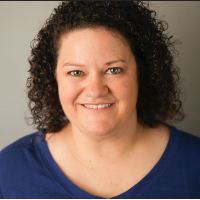
Katherine Treadway
LCSW
LCSW - Anxiety and OCD support
License and NPI on record
- Credentials
- LCSW
- License
- LCSW, North Carolina · No. C012412
- NPI
- 1134645070
- Experience
- 4 years
- Languages
- English
- State
- North Carolina
As supplied to BetterHelp. A license can be checked with the state board, and an NPI with the national NPI registry.
- CBT methods
- ACT techniques
- DBT skills
About Katherine
Katherine Treadway is a Licensed Clinical Social Worker (LCSW) practicing in North Carolina with four years of experience. She lists work with anxiety, stress, trauma and family concerns, and notes OCD and hoarding among areas she supports. She helps people who feel stuck by offering steady, practical steps rather than quick fixes.
In sessions she listens closely and focuses on what is happening now. Conversations look at thoughts, behaviors, and small changes that make daily life easier. She uses methods that help people notice patterns, try new responses, and track what works over time.
Her approach draws on cognitive behavioral ideas to spot unhelpful thinking and then test different actions. She also uses Acceptance and Commitment Therapy techniques to clarify values and reduce time spent on unhelpful rules. Dialectical behavior ideas are used when intense emotions make it hard to cope in the moment.
Katherine describes her work as practical and grounded. She helps clients build routines, manage triggers, and create clear plans for moments when urges, checking, or sorting feel overwhelming. She can also support people facing grief, burnout, addiction, or family conflict.
Clients may find sessions useful for skills practice, managing repetitive thoughts or rituals, and learning ways to reduce avoidance. Her methods aim to make daily tasks more manageable and to restore a sense of control in small, steady steps.
Therapeutic approaches and how online sessions can work
Acceptance and Commitment Therapy (ACT) helps people notice what matters to them and spend less time on unhelpful rules. It uses brief exercises to name values and choose actions that align with them. Cognitive Behavioral Therapy (CBT) focuses on identifying patterns of thought and testing small behavioral changes to reduce symptoms like checking and avoidance. Those changes are practiced and tracked between sessions. Dialectical Behavior Therapy (DBT) provides short-term skills for handling intense emotions and reducing impulsive reactions, such as grounding and distress-tolerance techniques.Finding the right mix of methods is part of the process. The therapist works collaboratively with clients to decide which approaches to emphasize based on current problems, goals, and what has or hasn't helped in the past. That planning is revisited as progress is tracked and needs shift.
The biography does not list specific session formats, so confirm the available online options before booking. In general, online sessions can fit into busy schedules by removing travel time and making it easier to squeeze a check-in into a lunch break or between errands. Some formats are better when bandwidth is limited or when a shorter, focused check-in is needed. Discussing practical details up front helps match session length and timing to everyday life.
Areas of expertise
Primary focus
Also works with
Additional focus areas
Therapeutic approaches
Experience
4+ years
Credentials
North Carolina
Languages
English
Frequently asked questions
What kinds of problems does she help with most often?
She lists stress, anxiety, trauma, family issues, and OCD and hoarding among the concerns she supports. Other areas include grief, substance concerns, relationship and parenting challenges.
What is her therapy style like?
She works in a direct, practical way that focuses on thoughts, behaviors, and small changes people can try between sessions.
How many years has she been practicing?
She has four years of clinical experience as an LCSW practicing in North Carolina.
What credential does she hold and where does she practice?
She is a Licensed Clinical Social Worker (LCSW) licensed in North Carolina.
Does she see people who do not live in the United States?
She accepts international clients and offers sessions in English.
Which session formats are offered?
The original biography does not specify session formats; confirm current session options before booking.
How are sessions charged?
Cost varies with location and sessions use a subscription model that can be canceled at any time.
How do I begin working with her?
Select the See online therapy options button, complete the short matching questionnaire, and schedule a first session.
Before you reach out
- Check that the state license on record covers the state you live in.
- If exposure and response prevention (ERP) or another method matters to you, ask whether and how this counselor uses it.
- You do not need to explain every thought or ritual at the start. One example is enough.
- A profile shows the topics a counselor lists; it is not a diagnosis or a promise of results.
If you feel unsafe right now, call or text 988, or call 911.