Counselor profile
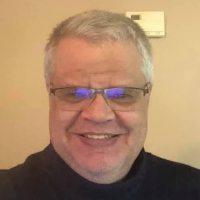
Dr. Jonathan Behler
LCMHC, LPC
Dr LCMHC LPC - anxiety and OCD support
License and NPI on record
- Credentials
- LCMHC, LPC
- License 1
- LCMHC, North Carolina · No. 11786
- License 2
- LPC, Alabama · No. LPC04767
- License 3
- LPC, Virginia · No. 0701012486
- NPI
- 1871966150
- Experience
- 15 years
- Languages
- English
- State
- Alabama
As supplied to BetterHelp. A license can be checked with the state board, and an NPI with the national NPI registry.
- Stress and anxiety
- OCD and hoarding
- Skills and practical steps
About Jonathan
Dr. Jonathan Behler is an LCMHC and LPC practicing in Alabama with 15 years of clinical experience. He helps people manage stress, anxiety, depression, relationship strain, grief, addictions, parenting concerns, and life transitions. He also lists work with OCD and hoarding among areas he has addressed.
He uses evidence-based therapeutic techniques to talk through problems and develop practical steps forward. Sessions focus on clarifying what feels most urgent, testing small changes, and building skills to manage intrusive thoughts, checking rituals, avoidance, or difficulty letting go. He explains ideas plainly and keeps each session focused on next steps.
Before his clinical degrees he completed graduate study in theology and psychology, and he brings that background to clinical discussions when relevant. His listed credentials are LCMHC and LPC, and he practices under those credentials in Alabama.
Many people come to him for help after a major life event, during career stress, or when relationships are strained. He also works with issues linked to attachment, abandonment, body image, chronic illness, and codependency. He pays attention to the practical impacts of these problems on daily routines.
Sessions are oriented toward safety and steady progress while keeping goals realistic. He encourages simple experiments between meetings and checks results together. For people worried about intrusive thoughts, rituals, or sorting and discarding, he focuses on steps that reduce interference with everyday life.
Approaches used and how online sessions are handled
Dr. Behler lists the use of evidence-based therapeutic techniques. Cognitive behavioral approaches focus on identifying unhelpful thought patterns and testing new behaviors to reduce distress and improve day-to-day functioning. For people who struggle with repetitive thoughts or rituals, this work often includes gradual exposure to feared situations combined with preventing usual rituals so coping improves over time.Another common element is problem-focused work that breaks big problems into small, actionable steps. This helps with grief, relationship strains, addiction concerns, and life transitions by making progress measurable and less overwhelming. The therapist will work with each person to find which tools fit their goals and preferences, revising the plan together as needed.
The biography does not list specific online session formats, so confirm current options before booking. Many people find online work helps fit sessions into a busy week, reduces travel time, and makes it easier to keep shorter check-ins between full sessions. Licensed professionals can adapt exercises and homework for remote sessions so progress continues even when meetings are less frequent.
Areas of expertise
Primary focus
Also works with
Additional focus areas
Experience
15+ years
Credentials
North Carolina, Alabama, Virginia
Languages
English
Frequently asked questions
What kinds of problems does he help with?
He helps with stress, anxiety, depression, grief, relationship strain, addictions, parenting challenges, and life changes. He also lists OCD and hoarding among areas he has addressed.
What is his therapeutic style like?
He uses evidence-based therapeutic techniques and focuses on plain, practical steps. Sessions emphasize testing small changes and building skills to reduce interference in daily life.
How much clinical experience does he have?
He has 15 years of experience working with a range of mental health concerns, including anxiety, depression, trauma-related problems, and OCD.
What are his credentials and where does he practice?
He holds LCMHC and LPC credentials and practices in Alabama under those designations.
Does he work in languages other than English or with international clients?
Sessions are offered in English. He is not currently accepting international clients.
What session formats are offered?
The original biography does not list specific session formats. Please confirm current session options before booking.
How are sessions paid for and what does cost look like?
Cost varies with location and sessions use a subscription that can be canceled at any time.
How do I begin working with him?
Select the See online therapy options button, complete the short matching questionnaire, and schedule a first session.
Before you reach out
- Check that the state license on record covers the state you live in.
- If exposure and response prevention (ERP) or another method matters to you, ask whether and how this counselor uses it.
- You do not need to explain every thought or ritual at the start. One example is enough.
- A profile shows the topics a counselor lists; it is not a diagnosis or a promise of results.
If you feel unsafe right now, call or text 988, or call 911.