Counselor profile
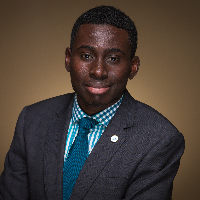
Dr. Emmanuel Oppong
LPCC
Licensed Professional Clinical Counselor - Anxiety and Addictions
License and NPI on record
- Credentials
- LPCC
- License
- LPCC, Minnesota · No. 1176
- NPI
- 1023605664
- Experience
- 11 years
- Languages
- English, Akan, Twi
- State
- Minnesota
As supplied to BetterHelp. A license can be checked with the state board, and an NPI with the national NPI registry.
- CBT methods
- Mindfulness practice
- EMDR available
About Emmanuel
Dr. Emmanuel Oppong is a Licensed Professional Clinical Counselor (LPCC) with 11 years of experience based in Minnesota. He works with people facing stress, anxiety, addictions, relationship and family concerns, depression, trauma and abuse, grief, and intimacy-related issues. He also addresses anger, self-esteem, career questions, and LGBT concerns, among others.
He has worked in clinics, schools, prisons, and both inpatient and outpatient treatment settings. That range means he has experience with many life situations and symptom patterns. He has supported individuals, couples, children, adolescents, and adults from diverse backgrounds.
Dr. Oppong combines several therapy methods rather than using a single technique. He uses client-centered methods to focus on each person's priorities. He also draws on cognitive behavioral therapy to map and shift thinking and behavior patterns that keep problems going.
He incorporates mindfulness practices to help with stress and emotional regulation, and he uses motivational interviewing to support change when people feel stuck. EMDR is part of his toolkit for processing traumatic memories when appropriate. He adapts these approaches to the needs and goals people bring to sessions.
Sessions aim to be practical. People can expect to talk through current problems, learn small experiments to test different responses, and practice skills between meetings. Dr. Oppong works in English, Akan, and Twi, and accepts international clients. To begin, prospective clients complete the short matching questionnaire and schedule a first session.
How his therapeutic approaches translate to online work
Client-centered therapy focuses on what matters most to the person in front of him. In practice this means the therapist listens for priorities, reflects what he hears, and helps set practical goals to address everyday problems.Cognitive Behavioral Therapy (CBT) is used to identify unhelpful thoughts and behaviors and replace them with small experiments. CBT online often includes brief between-session tasks and step-by-step skill practice to reduce checking, worry, or avoidance.
Eye Movement Desensitization and Reprocessing (EMDR) is offered as a way to process traumatic memories when it fits the person's goals. In online work EMDR is adapted into a paced protocol that focuses on gradual processing and stabilization.
Choosing the best approach is a collaborative process. He will talk with the person about goals, try methods that seem likely to help, and adjust the plan based on how things go. That collaborative process helps decide whether to emphasize CBT skills, mindfulness practice, motivational interviewing techniques, or EMDR.
Session logistics should be confirmed before booking since specific formats are not listed here. Ask about the available session formats when you schedule. The practical upside of online sessions is they can fit into a busy week, allow shorter check-ins when needed, and remove travel time so people can use a work break or an evening slot more easily.
Areas of expertise
Primary focus
Also works with
Additional focus areas
Therapeutic approaches
Experience
11+ years
Credentials
Minnesota
Languages
English, Akan, Twi
Frequently asked questions
What kinds of problems does he help with?
He works with stress, anxiety, addictions, relationship and family concerns, depression, trauma and abuse, grief, intimacy issues, anger, and self-esteem among other concerns.
What is his therapeutic style?
He uses an integrated approach that mixes client-centered work with CBT, mindfulness, motivational interviewing, and EMDR depending on needs.
How much experience does he have?
He has 11 years of clinical experience in clinics, schools, prisons, and inpatient and outpatient treatment settings.
What credential does he hold and where is he based?
He is a Licensed Professional Clinical Counselor (LPCC) licensed in Minnesota.
Which languages are supported?
Sessions are offered in English, Akan, and Twi.
Can people from other countries work with him?
He accepts international clients; prospective clients should confirm any details about cross-border sessions when they book.
How are sessions priced?
Cost varies with location and sessions use a subscription model that can be canceled at any time.
What are the steps to start working with him?
Click the See online therapy options button, complete the short matching questionnaire, and schedule your first session.
Before you reach out
- Check that the state license on record covers the state you live in.
- If exposure and response prevention (ERP) or another method matters to you, ask whether and how this counselor uses it.
- You do not need to explain every thought or ritual at the start. One example is enough.
- A profile shows the topics a counselor lists; it is not a diagnosis or a promise of results.
If you feel unsafe right now, call or text 988, or call 911.