Counselor profile
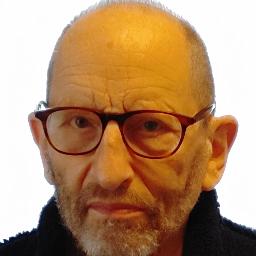
Dr. Donald Strauss
LCSW-C, LISW
LCSW-C and LISW - anxiety and relationship work
License and NPI on record
- Credentials
- LCSW-C, LISW
- License 1
- LISW, South Carolina · No. 11121
- License 2
- LCSW-C, Maryland · No. 02805
- NPI
- 1285629378
- Experience
- 52 years
- Languages
- English
- State
- South Carolina
As supplied to BetterHelp. A license can be checked with the state board, and an NPI with the national NPI registry.
- Cognitive behavioral therapy
- Attachment-based therapy
- Problem solving strategies
About Donald
Dr. Donald Strauss is a licensed clinical social worker with 52 years of experience. He holds LCSW-C and LISW credentials and practices in South Carolina. He works with people facing stress, anxiety, depression, relationship and intimacy concerns, and other life changes.
He has worked with a wide range of issues over decades of practice. In recent years he has supported people coping with degenerative neurologic conditions such as ALS and MS, life-changing burns, bipolar disorder, and chronic mental health problems. He has also helped fellow professionals dealing with compassion fatigue.
Dr. Strauss uses practical, evidence-informed methods rather than abstract theory. He draws on cognitive behavioral approaches to identify unhelpful thinking and develop alternative ways of responding. He also uses attachment-based ideas to look at how past relationships shape current reactions.
Sessions focus on problem solving and building specific strategies that replace patterns that no longer help. He may introduce exercises that change thinking, behavior, or the way people interact with others. The goal is clearer choices and more effective coping for everyday challenges.
People who prefer a direct, practice-oriented approach find his work straightforward. He explains interventions in plain language and connects them to real-life situations. For anyone managing ongoing conditions or long-standing emotional patterns, he offers steady clinical experience and practical tools.
How his approaches translate to online work
Attachment-Based Therapy looks at how early relationship patterns affect current emotions and reactions. Online sessions can use those ideas to map how attachment styles show up in close relationships and daily stressors.Cognitive Behavioral Therapy (CBT) focuses on identifying unhelpful thoughts and testing new behaviors. In remote sessions this often means short at-home exercises, thought records, and step-by-step behavior experiments that are reviewed together.
Motivational Interviewing helps people resolve mixed feelings about change. In an online setting it is used to explore values, strengthen motivation, and set manageable goals.
Deciding which approach to use is part of the work. The therapist will collaborate with the client to choose methods that match their needs, goals, and preferences. That conversation may shift as progress is made.
Confirm current session options before booking so you know what formats are offered. Many people find online sessions easier to fit into a workday, reduce travel time, or allow for shorter check-ins when needed. If camera-free time is preferred, therapists and clients can discuss ways to adapt sessions to quieter surroundings or lower bandwidth situations without changing the clinical focus.
Areas of expertise
Primary focus
Also works with
Additional focus areas
Therapeutic approaches
Experience
52+ years
Credentials
South Carolina, Maryland
Languages
English
Frequently asked questions
What kinds of problems does he help with most?
He helps with stress, anxiety, depression, relationship and intimacy issues, bipolar disorder, grieving, addictions, ADHD, and other life changes.
What approach does he use in sessions?
He uses evidence-informed methods such as cognitive behavioral therapy and attachment-based therapy, plus motivational interviewing and psychodynamic ideas when helpful.
How long has he been practicing?
He has 52 years of clinical experience working with a wide range of emotional and medical challenges.
What are his credentials and where does he practice?
He holds LCSW-C and LISW credentials and practices in South Carolina.
Can sessions be done in languages other than English?
Sessions are offered in English.
Does he work with clients outside the country?
He does accept international clients.
How are fees handled?
Cost varies with location; sessions use a subscription that can be canceled at any time.
How do I begin if I want to try sessions?
Select the See online therapy options button, complete a short matching questionnaire, and schedule a first session.
Before you reach out
- Check that the state license on record covers the state you live in.
- If exposure and response prevention (ERP) or another method matters to you, ask whether and how this counselor uses it.
- You do not need to explain every thought or ritual at the start. One example is enough.
- A profile shows the topics a counselor lists; it is not a diagnosis or a promise of results.
If you feel unsafe right now, call or text 988, or call 911.