Counselor profile
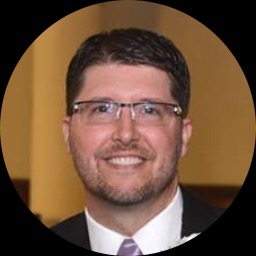
Donald Owen
LPC
LPC in Michigan - OCD and hoarding focus
License and NPI on record
- Credentials
- LPC
- License
- LPC, Michigan · No. 6401007109
- NPI
- 1548985864
- Experience
- 25 years
- Languages
- English
- State
- Michigan
As supplied to BetterHelp. A license can be checked with the state board, and an NPI with the national NPI registry.
- Stress and anxiety
- Trauma and grief
- Behavioral techniques
About Donald
Donald Owen is an LPC - Licensed Professional Counselor in Michigan with 25 years of experience. He helps people who are coping with stress, anxiety, trauma and abuse, grief and loss, and depression. He also works with concerns such as relationship and intimacy issues, addictions, sleep and eating difficulties, and challenges linked to ADHD and chronic illness.
His approach is practical and conversational. Sessions focus on clear goals and steps people can try between meetings. He adapts the pace and topics to what a person needs that week, and keeps explanations straightforward rather than technical.
Donald draws on evidence-based therapeutic techniques to address symptoms and day-to-day problems. He listens for patterns that keep worries or avoidance active, then helps people practice different responses in safer ways. When trauma or grief is present, he works to make sure distress is approached carefully and at an appropriate pace.
People meeting him can expect a focus on skills they can use right away. That might include strategies for managing intrusive thoughts, ways to reduce checking or rituals, or steps to improve sleep and daily routines. He explains options clearly so someone can choose what feels doable.
Across a long career he has worked in multiple clinical settings and with a wide range of concerns. That background informs how he structures sessions and sets realistic short-term targets. To start, potential clients follow the site's matching steps to schedule an initial meeting and discuss goals.
Therapeutic approaches and how online sessions work
Donald uses evidence-based therapeutic techniques that focus on changing unhelpful patterns of thinking and behavior. Cognitive behavioral approaches concentrate on identifying and testing stressful thoughts, and on building alternative responses that reduce anxiety and checking behaviors. Exposure and response work involves gradual practice with feared situations or intrusive thoughts while reducing rituals that maintain distress; this helps people learn that fear can decrease without ritualizing. When trauma or grief is involved, he uses pacing and stabilization methods that let someone work through material without becoming overwhelmed.Choosing the right approach is collaborative. He will review options with each person, consider their goals and daily life, and adjust methods over time. The first sessions often clarify which tools to prioritize and how quickly to move into practice exercises.
Session formats are not specified in the biography, so confirm current options before booking. Online work can make it easier to fit sessions into busy schedules, cut travel time, and allow shorter check-ins when needed. It also lets people practice skills in their own routines and report back on what did or did not work, which can speed up adjustments to the plan.
Areas of expertise
Also works with
Additional focus areas
Experience
25+ years
Credentials
Michigan
Languages
English
Frequently asked questions
What kinds of problems does he address most often?
He works with stress, anxiety, trauma and abuse, grief, depression, and related issues such as sleep and eating difficulties, addictions, and relationship concerns.
How would he describe his therapeutic style?
His style is practical and conversational. Sessions focus on clear goals and skills that people can use between meetings.
What experience does he bring to sessions?
He has 25 years of professional experience in clinical settings, bringing long-term practice with a wide range of concerns and populations.
What credential does he hold and where does he practice?
He is an LPC - Licensed Professional Counselor - practicing in Michigan.
Which languages are supported?
Sessions are offered in English.
Can international clients work with him?
He is not accepting international clients at this time.
How are sessions paid for?
Cost varies with location; sessions use a subscription that can be canceled at any time.
How do I begin working with him?
Select the "See online therapy options" button, complete the short matching questionnaire, and schedule a first session.
Before you reach out
- Check that the state license on record covers the state you live in.
- If exposure and response prevention (ERP) or another method matters to you, ask whether and how this counselor uses it.
- You do not need to explain every thought or ritual at the start. One example is enough.
- A profile shows the topics a counselor lists; it is not a diagnosis or a promise of results.
If you feel unsafe right now, call or text 988, or call 911.