Counselor profile
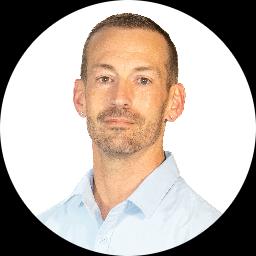
Donald Ford
LMHC
Licensed Mental Health Counselor - OCD and hoarding focus
License and NPI on record
- Credentials
- LMHC
- License
- LMHC, Florida · No. MH12129
- NPI
- 1477818953
- Experience
- 13 years
- Languages
- English
- State
- Florida
As supplied to BetterHelp. A license can be checked with the state board, and an NPI with the national NPI registry.
- CBT methods
- Mindfulness therapy
- Trauma care
About Donald
Donald Ford is a Licensed Mental Health Counselor (LMHC) practicing in Florida with 13 years of experience. He works with people dealing with anxiety, depression, addiction, trauma, eating concerns, relationship and family stresses, and hoarding or obsessive-compulsive patterns among other struggles.
He uses clear, practical methods in sessions. Conversations focus on current problems and doable steps to reduce distress. He favors cognitive behavioral techniques while also drawing on client-centered and mindfulness ideas to help people notice patterns and try different responses.
His background includes work in independent practice, long-term residential treatment, and psychiatric hospital settings. That range means he is familiar with intense struggles as well as common life disruptions that can follow trauma, loss, or addiction.
Sessions typically center on skills and strategies you can use between meetings. He works on behavior change, managing intrusive thoughts or urges, improving communication, and addressing relationship patterns that keep problems going. Practical homework and short skill practices are commonly part of the work.
Donald also brings experience with trauma-focused methods aimed at reducing the impact of overwhelming events. He blends those with CBT and DBT tools when people need both symptom management and improved coping. If you want a direct, skill-focused approach to obsessive thoughts, checking, hoarding, or addictive behaviors, his practice aims to be straightforward and task-oriented.
How his approaches translate to online work
Donald commonly uses Cognitive Behavioral Therapy (CBT) to help people notice and change the thoughts and behaviors that keep problems like intrusive thoughts, checking, or hoarding going. CBT sessions focus on practical exercises and behavior experiments that you can practice between meetings.He also integrates Dialectical Behavior Therapy (DBT) skills and client-centered techniques. DBT provides straightforward tools for emotional regulation, distress tolerance, and improving relationships, which can help when anxiety or urges feel overwhelming. Client-centered elements mean sessions include listening to the person’s concerns and shaping goals together.
Finding the right mix of approaches is part of the process. The therapist will work collaboratively to pick methods that match your needs, goals, and what you prefer to try. That selection may change as progress is made or as different challenges appear.
The original profile does not specify which online session formats are offered. Please confirm current session options before booking. Online work can make it easier to fit sessions into a busy life, allow shorter check-ins when useful, or reduce travel time so therapy fits around work or caregiving. Therapists and licensed professionals often adapt exercises and homework so they work well across distance.
Areas of expertise
Primary focus
Also works with
Additional focus areas
Therapeutic approaches
Experience
13+ years
Credentials
Florida
Languages
English
Frequently asked questions
What concerns does he commonly help with?
He helps people with anxiety, depression, addictions, trauma, eating issues, relationship and family stresses, and patterns like hoarding and obsessive-compulsive behaviors.
What is his general therapy style?
He works in a practical, skills-focused way. Sessions emphasize clear steps, behavior changes, and short practices you can use between meetings.
How much clinical experience does he have?
He has 13 years of experience across independent practice, residential treatment, and psychiatric hospital settings.
What credential does he hold and where does he practice?
He is a Florida LMHC and practices in Florida.
Which languages are sessions offered in?
Sessions are offered in English and he accepts international clients.
What formats are used for sessions?
The original profile does not list specific session formats. Confirm current session options before booking.
How does payment work and what does it cost?
Cost varies with location; sessions use a subscription model that can be canceled at any time.
How do I begin working with him?
Select the See online therapy options button, complete a short matching questionnaire, and schedule a first session.
Before you reach out
- Check that the state license on record covers the state you live in.
- If exposure and response prevention (ERP) or another method matters to you, ask whether and how this counselor uses it.
- You do not need to explain every thought or ritual at the start. One example is enough.
- A profile shows the topics a counselor lists; it is not a diagnosis or a promise of results.
If you feel unsafe right now, call or text 988, or call 911.