Counselor profile
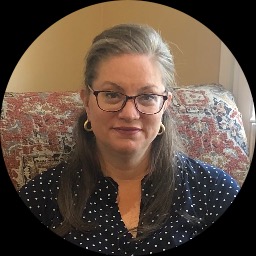
Deborah Brehm
LPC
Licensed Professional Counselor - Stress and Relationships
License and NPI on record
- Credentials
- LPC
- License
- LPC, Georgia · No. LPC004328
- NPI
- 1851510051
- Experience
- 21 years
- Languages
- English
- State
- Georgia
As supplied to BetterHelp. A license can be checked with the state board, and an NPI with the national NPI registry.
- Attachment-Based Therapy
- Emotionally-Focused Therapy
- Gottman Method
About Deborah
Deborah Brehm is a Licensed Professional Counselor (LPC) in Georgia with 21 years of clinical experience. She focuses on stress, anxiety, family concerns, trauma and abuse, parenting, relationship and intimacy issues, depression, bipolar disorder, and coping with life changes. Deborah uses a range of relational and emotion-focused approaches to help people sort through difficult patterns.
Her style centers on clear, practical conversations. Sessions often look at how past attachments and present relationships shape feelings and behavior. She listens for patterns that keep problems repeating and helps people try different ways of responding. Conversations are grounded in everyday concerns like parenting demands, work stress, and relationship strain.
Deborah works from several therapeutic models including attachment-based work, client-centered therapy, Emotionally-Focused Therapy (EFT), existential ideas, and the Gottman Method. Those approaches guide how she explores emotions, communication, and decision points with clients. She discusses options and helps people decide which methods feel most useful.
Her background includes training and practice with trauma-related interventions and many years in independent practice in Georgia. Deborah has experience addressing adoption and foster care issues, caregiver stress, codependency, anger, dissociation, and problems that follow divorce or loss. She also supports people affected by natural or human-caused disasters.
Sessions are conducted in English, and she accepts international clients. To begin, prospective clients complete a short matching questionnaire and schedule a first session through the platform's online therapy options.
How Deborah’s approaches work in remote sessions
Attachment-Based Therapy focuses on how early relationships shape current responses to stress and closeness. In practice this means looking at common interaction patterns and trying different ways to connect that reduce anxiety and conflict.Emotionally-Focused Therapy (EFT) helps people identify and name strong emotions and then use that new clarity to change interactions. EFT is often useful for relationship and attachment-related concerns where expressing needs more clearly can change outcomes.
Client-Centered Therapy centers the person’s perspective and pacing. The therapist listens closely and follows what matters most to the client, supporting clearer decision making and self-understanding.
Finding the right approach is part of the work. Deborah will talk with each person about goals, preferences, and what feels most practical. Together they choose which methods to try and adjust the plan as progress or obstacles appear.
Confirm the specific session formats before booking, since the biography does not list them. Online sessions can make it easier to fit therapy into a busy schedule, reduce travel time, and allow shorter check-ins when needed. Therapists can also offer options that limit video use or use different pacing to match someone’s daily routine.
Areas of expertise
Primary focus
Also works with
Additional focus areas
Therapeutic approaches
Experience
21+ years
Credentials
Georgia
Languages
English
Frequently asked questions
What concerns does she address most often?
She works with stress, anxiety, family issues, trauma and abuse, parenting, relationship and intimacy problems, depression and bipolar concerns.
What is her general approach in sessions?
She uses relational and emotion-focused methods to explore patterns and improve communication. Work often involves looking at attachment dynamics and present-day interactions.
How much experience does she have?
She has 21 years of clinical experience in counseling and independent practice.
What are her credentials and where does she practice?
She is a Licensed Professional Counselor (LPC) practicing in Georgia.
In which language are sessions offered?
Sessions are offered in English and she accepts international clients.
What session formats does she offer?
Confirm current session options before booking by checking the online therapy options, as formats are not listed in the biography.
How are sessions billed or paid for?
Cost varies with location and sessions use a subscription that can be canceled at any time.
How do I begin working with her?
Select the See online therapy options button, complete the short matching questionnaire, and schedule a first session.
Before you reach out
- Check that the state license on record covers the state you live in.
- If exposure and response prevention (ERP) or another method matters to you, ask whether and how this counselor uses it.
- You do not need to explain every thought or ritual at the start. One example is enough.
- A profile shows the topics a counselor lists; it is not a diagnosis or a promise of results.
If you feel unsafe right now, call or text 988, or call 911.