Counselor profile
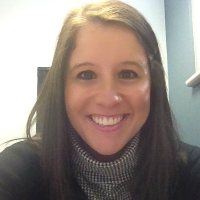
Dabney Hayes
LPCC, LPC
LPCC LPC - Anxiety and Hoarding
License and NPI on record
- Credentials
- LPCC, LPC
- License 1
- LCMHC, North Carolina · No. 14628
- License 2
- LMHC, Florida · No. MH17976
- License 3
- LMHC, Washington · No. LH61246990
- License 4
- LPC, Colorado · No. 0016842
- License 5
- LPCC, California · No. 21269
- License 6
- LPC, South Carolina · No. 11130
- NPI
- 1265743801
- Experience
- 14 years
- Languages
- English
- State
- North Carolina
As supplied to BetterHelp. A license can be checked with the state board, and an NPI with the national NPI registry.
- ACT and CBT methods
- Skills and experiments
- Values-based work
About Dabney
Dabney Hayes is an LPCC and an LPC practicing in North Carolina with 14 years of clinical experience. She helps people manage stress, anxiety, trauma and abuse, depression, and a wide range of everyday struggles including parenting, grief, and relationship concerns. Dabney also lists work with OCD and hoarding among her interests. She works in a straightforward, practical way and focuses on helping people change how they relate to their thoughts and behaviors.
She draws on several evidence-informed methods to support people through repetitive thoughts, checking, avoidance, and difficulty letting things go. Sessions often include skills practice, gentle behavioral experiments, and talk that connects life values to workable changes. Dabney aims to break problems into small, manageable steps that fit into real life.
Her background includes individual and group work across age ranges and life stages. Dabney describes an integrative, client-centered approach that uses Acceptance and Commitment Therapy, Cognitive Behavioral Therapy, Dialectical Behavior Therapy, and Attachment-Based Therapy as part of care. She frames therapy as collaborative problem-solving rather than labels or quick fixes.
She works with a long list of concerns beyond anxiety and mood, including addictions, ADHD, caregiving stress, body image, and attachment issues. Practical coping tools and attention to how early relationships shape current patterns are common themes in her work. Dabney encourages clear steps forward rather than overwhelming plans.
Sessions are organized so people can try a strategy, notice what happens, and adjust the plan. The emphasis is on steady progress and on learning skills that people can use outside sessions. To begin, clients follow the site process to match and schedule an initial meeting.
Therapeutic approaches used in online sessions
Acceptance and Commitment Therapy (ACT) focuses on noticing thoughts and feelings without getting stuck in them, then choosing actions that match the person's values. It can help when intrusive thoughts or rituals feel dominant by shifting attention toward meaningful goals.Cognitive Behavioral Therapy (CBT) teaches practical skills to change unhelpful thinking and behavior patterns. CBT often includes exercises that test beliefs and reduce avoidance, which can be useful for checking behaviors and compulsions.
Finding the right approach is part of the work. The therapist will discuss needs, goals, and preferences and together decide which methods to try. This keeps sessions focused and collaborative rather than one-size-fits-all.
Confirm which session formats are offered before booking. Online work can make it easier to fit sessions into busy days, allow shorter check-ins when needed, and avoid travel time. It also supports using in-the-moment exposures or homework that fit into the client’s routine. Licensed professionals can adapt exercises and pacing to match how people live rather than forcing a rigid schedule.
Areas of expertise
Primary focus
Also works with
Additional focus areas
Therapeutic approaches
Experience
14+ years
Credentials
North Carolina, Florida, Washington, Colorado, California, South Carolina
Languages
English
Frequently asked questions
What kinds of problems does she address?
Dabney works with stress, anxiety, trauma and abuse, depression, parenting challenges, grief, and related concerns. She also lists OCD and hoarding among the issues she addresses.
How would you describe her therapeutic style?
She uses a practical, client-centered approach that focuses on skills practice, behavioral experiments, and connecting changes to personal values.
How much clinical experience does she have?
She has 14 years of experience working in individual and group settings across different age groups and life stages.
What are her credentials and where is she based?
She holds the LPCC and LPC credentials and practices in North Carolina.
Does she offer sessions in other languages or to international clients?
Sessions are offered in English and she does accept international clients.
What session formats are available?
Session formats are not listed here; please confirm the current session options before booking.
How are fees handled?
Cost varies with location and sessions use a subscription model that can be canceled at any time.
How do I begin working with her?
Start by selecting the See online therapy options button, completing a short matching questionnaire, and scheduling a first session.
Before you reach out
- Check that the state license on record covers the state you live in.
- If exposure and response prevention (ERP) or another method matters to you, ask whether and how this counselor uses it.
- You do not need to explain every thought or ritual at the start. One example is enough.
- A profile shows the topics a counselor lists; it is not a diagnosis or a promise of results.
If you feel unsafe right now, call or text 988, or call 911.