Counselor profile
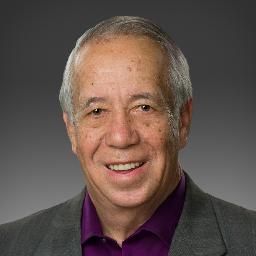
Curtis Spears
LMHC, LPC
LMHC LPC - anxiety and stress
License and NPI on record
- Credentials
- LMHC, LPC
- License 1
- LPC, Louisiana · No. 3768
- License 2
- LPC, Oregon · No. C8585
- License 3
- LMHC, Florida · No. MH25766
- NPI
- 1699001602
- Experience
- 17 years
- Languages
- English
- State
- Louisiana
As supplied to BetterHelp. A license can be checked with the state board, and an NPI with the national NPI registry.
About Curtis
Curtis Spears is a Licensed Mental Health Counselor (LMHC) and a Licensed Professional Counselor (LPC) with 17 years of experience. He works with people facing anxiety, stress, relationship and family concerns, depression, addictions, grief, ADHD, and related problems such as control issues and isolation.
He writes plainly and listens closely. Sessions focus on what is happening now and on practical steps to reduce distress. He draws on methods such as acceptance and commitment techniques, client-centered talking, cognitive behavioral strategies, emotionally focused approaches, and solution-focused work. The goal is clearer thinking and more manageable daily routines rather than complicated therapy jargon.
His background includes work as a patient counselor in a hospital psychiatric unit and several years practicing in a pediatric clinic. He also taught as an adjunct professor at Louisiana State University, Shreveport. Those roles brought experience with many cultures and situations and shaped how he supports people in real life problems.
Curtis maintains a solo practice and has previously worked as an employee assistance program counselor in a large hospital and city system. He serves clients in Louisiana and also holds licenses in Florida and Oregon, and accepts international clients. He notes specific scheduling constraints for west coast time zones.
Outside work he spends time with family and enjoys sailing, backpacking, skiing, and cooking. His interpersonal style is straightforward and steady, aimed at helping people reduce loops of checking, intrusive thoughts, or difficulty letting go so they can get on with daily life.
Therapeutic approaches and how online sessions work
Curtis uses cognitive behavioral therapy to help people identify patterns of thinking and try concrete behavior changes. CBT is useful for checking behaviors, intrusive thoughts, and sleep or anxiety problems. Acceptance and Commitment Therapy focuses on noticing thoughts and choosing actions that align with values rather than getting stuck in loops. That approach can help with persistent worry and avoidance. Client-centered work centers the session on the person's own concerns and pacing, with the therapist listening and reflecting to clarify what matters most.Finding the right mix of approaches is part of the work. He will discuss options with each person and decide together which methods to try based on the client's goals and preferences. That collaborative planning may change as progress is made or new needs emerge.
The biography does not list specific session formats, so confirm current online options before booking. Many people find remote sessions make it easier to fit therapy around work and family life, reduce travel time, or have a shorter check-in when days are busy. If time-zone limits matter, note he practices in the Eastern Time Zone and has restricted west-coast availability in mornings. Sessions use a subscription model that can be canceled at any time, and scheduling begins by completing the short matching questionnaire and booking a first appointment.
Areas of expertise
Primary focus
Also works with
Additional focus areas
Therapeutic approaches
Experience
17+ years
Credentials
Louisiana, Oregon, Florida
Languages
English
Frequently asked questions
What kinds of problems does he help with most?
He works with anxiety, stress, depression, addictions, grief, ADHD, relationship concerns, and related issues such as control problems and isolation.
What is his therapeutic style like?
He uses straightforward, practical sessions that focus on current problems and steps you can try between meetings. He combines client-centered listening with action-oriented techniques.
How long has he been practicing?
He has 17 years of counseling experience, including hospital, pediatric clinic, and adjunct teaching roles.
What credentials and region are listed?
He is an LMHC and an LPC and practices from Louisiana while also licensed in Florida and Oregon.
Which languages are supported and can he work internationally?
Sessions are offered in English and he does accept international clients.
What formats are available for sessions?
The original biography does not list specific session formats; confirm current session options before booking to know whether phone or video is offered.
How much do sessions cost?
Cost varies with location and sessions use a subscription that can be canceled at any time.
How do I begin working with him?
Use the See online therapy options button, complete the short matching questionnaire, and schedule your first session.
Before you reach out
- Check that the state license on record covers the state you live in.
- If exposure and response prevention (ERP) or another method matters to you, ask whether and how this counselor uses it.
- You do not need to explain every thought or ritual at the start. One example is enough.
- A profile shows the topics a counselor lists; it is not a diagnosis or a promise of results.
If you feel unsafe right now, call or text 988, or call 911.