Counselor profile
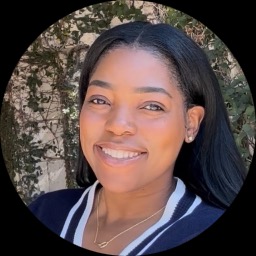
Clarissa Williams
LMHC
Licensed Mental Health Counselor - Anxiety and Family
License and NPI on record
- Credentials
- LMHC
- License 1
- LMHC, Florida · No. MH26991
- License 2
- LMHC, Washington · No. MHC.LH.70116944
- NPI
- 1679196471
- Experience
- 4 years
- Languages
- English
- State
- Florida
As supplied to BetterHelp. A license can be checked with the state board, and an NPI with the national NPI registry.
- CBT methods
- DBT skills
- EMDR offered
About Clarissa
Clarissa Williams is a Licensed Mental Health Counselor (LMHC) with four years of clinical experience based in Florida. She focuses on common stressors such as anxiety, grief, parenting pressures, family conflict, anger, and ADHD-related concerns. Clarissa also lists support around addiction, relationship strain, self-esteem, career shifts, bipolar and depressive symptoms, and compassion fatigue among her areas of work.
She approaches sessions using practical, evidence-informed methods. Clarissa draws on client-centered principles to listen and clarify what matters most to each person. She uses Cognitive Behavioral Therapy (CBT) to identify thinking patterns that keep problems going. Dialectical Behavior Therapy (DBT) skills and mindfulness techniques are used when emotion regulation and present-moment awareness are helpful.
Clarissa also incorporates Eye Movement Desensitization and Reprocessing (EMDR) for people dealing with traumatic memories when that approach seems appropriate. In conversation she pays attention to cultural background and life context. Sessions are collaborative; she helps clients set clear, manageable goals and tracks progress over time.
Her practice addresses a broad range of additional concerns listed in her profile, including caregiver stress, chronic illness, communication problems, dissociation, and separation or divorce. Language of sessions is English. International clients are not accepted at this time.
To get started, clients follow the site process to complete a short questionnaire and schedule a first session. Clarissa notes that cost varies by location and that sessions use a subscription that can be canceled at any time.
How her approaches are used in online sessions
Client-Centered Therapy focuses on listening and reflecting so the client leads the topics and goals. It is useful when people want a steady, respectful space to sort out family or relationship stresses.Cognitive Behavioral Therapy (CBT) helps identify unhelpful thoughts and the behaviors that follow. It often involves short exercises and practical homework to reduce anxiety, checking, or avoidance patterns.
Dialectical Behavior Therapy (DBT) teaches emotion regulation, distress tolerance, and interpersonal skills. Those tools can be helpful for managing strong reactions, anger, or patterns that complicate daily life.
Finding the right approach is treated as a collaborative process. The therapist will discuss options, try different techniques, and adjust plans based on the client's goals and what feels most useful. Clients and therapist set clear, testable goals and check progress together.
Session formats are not specified in the source biography, so confirm current session options before booking. Many people choose online work because it can fit a busy schedule, avoid travel time, or allow for shorter check-ins when needed. Online sessions also make it easier to practice skills between meetings and to bring real-life situations into the conversation.
Areas of expertise
Primary focus
Also works with
Additional focus areas
Therapeutic approaches
Experience
4+ years
Credentials
Florida, Washington
Languages
English
Frequently asked questions
What concerns does she focus on?
She lists anxiety, stress, family conflict, grief, parenting challenges, anger, ADHD-related concerns, addictions, relationship issues, depression, and compassion fatigue among her focus areas.
What therapy approaches does she use?
She uses Client-Centered Therapy, Cognitive Behavioral Therapy (CBT), Dialectical Behavior Therapy (DBT), EMDR, and mindfulness approaches depending on the client's needs.
How much clinical experience does she have?
She has four years of experience working as a clinician.
What are her credentials and location?
She is an LMHC licensed in Florida and practices from Florida.
Are sessions available in other languages?
Sessions are offered in English only.
Can people outside the United States work with her?
She does not accept international clients at this time.
How are sessions priced?
Cost varies with location; sessions use a subscription model that can be canceled at any time.
What is the first step to begin?
Use the See online therapy options button, complete the short matching questionnaire, and schedule a first session through the site process.
Before you reach out
- Check that the state license on record covers the state you live in.
- If exposure and response prevention (ERP) or another method matters to you, ask whether and how this counselor uses it.
- You do not need to explain every thought or ritual at the start. One example is enough.
- A profile shows the topics a counselor lists; it is not a diagnosis or a promise of results.
If you feel unsafe right now, call or text 988, or call 911.