Counselor profile
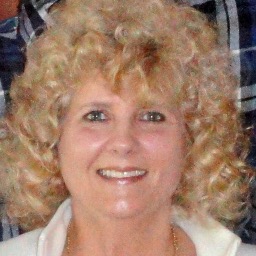
Christine Frederick
LICSW
LICSW in Massachusetts - Anxiety and Addiction
License and NPI on record
- Credentials
- LICSW
- License
- LICSW, Massachusetts · No. LICSW118007
- NPI
- 1902380843
- Experience
- 14 years
- Languages
- English
- State
- Massachusetts
As supplied to BetterHelp. A license can be checked with the state board, and an NPI with the national NPI registry.
- Client-Centered Therapy
- Cognitive Behavioral Therapy
- Solution-Focused Therapy
About Christine
Christine Frederick is a Licensed Independent Clinical Social Worker (LICSW) in Massachusetts with 14 years of clinical experience. She helps people who are dealing with anxiety, depression, grief, addiction, relationship strain, trauma, and caregiving stress. Christine also lists concerns such as stress, parenting strain, anger, self-esteem, ADHD, and issues that arise around aging and end-of-life care.
She works in a straightforward, strengths-focused way. Sessions look for practical steps a person can try between meetings. Cognitive Behavioral Therapy (CBT) and Solution-Focused Therapy are part of the toolbox she uses, alongside a client-centered approach that listens first and then builds on what is already working for the person.
Christine often helps people break down worrying thoughts and unhelpful habits into small, manageable parts. She aims to turn broad problems into clear, testable tasks so progress can be tracked. Conversations cover concrete strategies for stress, routines for mood and relapse prevention for substance concerns when relevant.
Her background includes long experience in community and clinical settings across Massachusetts, working with people facing grief, family conflict, addiction, and caregiver fatigue. The LICSW credential indicates a clinical social work license and a master's degree in social work.
Sessions focus on realistic goals and repeatable skills. People looking for help with OCD-related struggles such as intrusive thoughts or difficulty letting things go may find the CBT-informed work relevant, although Christine's stated approaches guide how she frames interventions. To confirm current session options and formats, check the booking details before scheduling.
How Christine integrates CBT and client-centered work online
Christine uses Client-Centered Therapy to begin by listening and understanding a person's strengths and concerns. This approach focuses on the person's perspective and what they already do that helps, then builds from those points.Cognitive Behavioral Therapy (CBT) is used to identify unhelpful thinking patterns and test small behavior changes. CBT can help with intrusive thoughts, checking behaviors, low mood, and anxiety by breaking problems into manageable steps and practical exercises.
Solution-Focused Therapy concentrates on brief, goal-oriented work. It looks for immediate changes a person can make and tracks small wins to create momentum toward larger goals.
Choosing the right mix of approaches is collaborative. Christine will talk through options, try techniques, and adjust based on the client's needs and preferences. The process is about finding what helps most in day-to-day life rather than committing to a single method up front.
Confirm current session formats before booking, as the biography does not list specific online options. Online sessions can make it easier to fit therapy into a busy schedule, allow shorter check-ins when needed, and reduce travel time. Discuss with the therapist how sessions can be arranged to match your routine and practical constraints.
Areas of expertise
Primary focus
Also works with
Additional focus areas
Therapeutic approaches
Experience
14+ years
Credentials
Massachusetts
Languages
English
Frequently asked questions
What kinds of concerns does she help with?
She lists anxiety, depression, addiction, grief, relationship and parenting strain, trauma, caregiving stress, ADHD, and related issues including aging and end-of-life concerns.
What is her therapeutic style?
She uses a strengths-focused, client-centered style and combines that with Cognitive Behavioral Therapy and Solution-Focused Therapy to identify practical steps and goals.
How much clinical experience does she have?
Christine has 14 years of experience working in clinical and community settings in Massachusetts with a range of mental health and addiction concerns.
What credentials and location are listed?
She is an MA LICSW based in Massachusetts; the LICSW indicates a master’s level clinical social work license.
In which languages are sessions offered?
Sessions are offered in English.
Does she work with clients outside the U.S.?
International clients are not currently accepted.
How are sessions paid for and what does it cost?
Cost varies with location; sessions use a subscription that can be canceled at any time. Exact pricing is provided during booking.
How do I begin working with her?
Select the See online therapy options button, complete the short matching questionnaire, and schedule a first session.
Before you reach out
- Check that the state license on record covers the state you live in.
- If exposure and response prevention (ERP) or another method matters to you, ask whether and how this counselor uses it.
- You do not need to explain every thought or ritual at the start. One example is enough.
- A profile shows the topics a counselor lists; it is not a diagnosis or a promise of results.
If you feel unsafe right now, call or text 988, or call 911.