Counselor profile
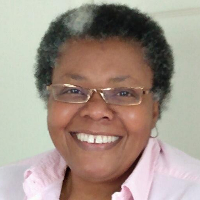
Cherie Taylor
LPC
LPC counselor - anxiety and depression
License and NPI on record
- Credentials
- LPC
- License
- LPC, Virginia · No. 0701009079
- NPI
- 1215557806
- Experience
- 9 years
- Languages
- English
- State
- Virginia
As supplied to BetterHelp. A license can be checked with the state board, and an NPI with the national NPI registry.
- CBT methods
- ACT-informed work
- Attachment focus
About Cherie
Cherie Taylor is an LPC - Licensed Professional Counselor practicing in Virginia with nine years of experience. She works with people facing anxiety, depression, stress, self-esteem struggles, relationship concerns, and addiction issues. She also lists work with trauma and grief and supports people from LGBT communities.
Cherie focuses on straightforward, practical help. Sessions aim to identify patterns that keep problems going and then try small, manageable changes. She uses clear tools from cognitive behavioral therapy and related approaches to reduce unhelpful thoughts and behaviors. She also draws on Acceptance and Commitment Therapy and attachment-informed ideas to help people notice what matters to them and to improve close relationships.
In conversation she keeps language plain and concrete. People can expect to talk about recent events, recurring thoughts, and everyday reactions. The work often includes learning specific skills for coping with panic, intrusive thinking, low mood, or urges related to substance use. Sessions pay attention to how relationships and past experiences affect current stress.
Cherie is comfortable addressing difficult topics like trauma, grief, and caregiver stress. She helps people manage emotional overwhelm and regain a degree of control over daily life. Practical steps such as behavior experiments, thought records, and grounding exercises are commonly used when helpful.
Her practice supports people through life changes including career shifts, separation, aging concerns, and the strain of caregiving. To begin, prospective clients follow the practice's online matching process and schedule an initial session.
How therapeutic approaches are used online
Acceptance and Commitment Therapy (ACT) helps people notice painful thoughts without fighting them and then act on what matters most. It is often used when someone struggles with avoidance, stuck thinking, or unclear values. Cognitive Behavioral Therapy (CBT) focuses on identifying unhelpful thoughts and changing behaviors that keep problems alive. It is commonly used for anxiety, intrusive thoughts, and mood problems. Attachment-Based Therapy looks at how early relationship patterns shape current reactions and close relationships, which can help with intimacy issues and worry about trust.Choosing the right approach is part of the work. Cherie will discuss options and collaborate on what fits a person's goals and preferences. That conversation includes trying techniques and adjusting the plan when something is not helpful.
Online sessions can make it easier to fit therapy into a busy week and to keep momentum between appointments. Because session formats are not specified in the biography, confirm current session options before booking. Practical benefits often include shorter travel time, easier scheduling around work or caregiving, and the ability to use exercises or worksheets during a session without needing to print them first. Therapists will also adapt exercises used in CBT, ACT, and attachment work so they translate into a remote session.
Areas of expertise
Primary focus
Also works with
Additional focus areas
Therapeutic approaches
Experience
9+ years
Credentials
Virginia
Languages
English
Frequently asked questions
What kinds of problems does she help with most?
She helps people with anxiety, depression, stress, self-esteem, relationship and addiction concerns, plus trauma, grief, and issues affecting LGBT clients.
What is her therapeutic style like?
Sessions are practical and conversational. Cherie uses clear techniques from CBT, ACT, DBT skills, and attachment-informed approaches.
How long has she been practicing?
Cherie has nine years of clinical experience working with a range of emotional and behavioral concerns.
What credential does she hold and where is she based?
She is an LPC - Licensed Professional Counselor practicing in Virginia.
Which languages are supported in sessions?
Sessions are offered in English.
Can people outside the United States work with her?
International clients are not accepted at this time.
How are sessions paid for and what does it cost?
Costs vary by location and sessions use a subscription that can be canceled at any time.
How do I begin working with her?
Select the See online therapy options button, complete the short matching questionnaire, and schedule a first session.
Before you reach out
- Check that the state license on record covers the state you live in.
- If exposure and response prevention (ERP) or another method matters to you, ask whether and how this counselor uses it.
- You do not need to explain every thought or ritual at the start. One example is enough.
- A profile shows the topics a counselor lists; it is not a diagnosis or a promise of results.
If you feel unsafe right now, call or text 988, or call 911.