Counselor profile
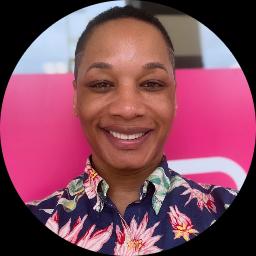
Charles Tyson
LICSW, LCSW
Licensed clinical social worker - OCD and hoarding
License and NPI on record
- Credentials
- LICSW, LCSW
- License 1
- LCSW, Pennsylvania · No. CW020993
- License 2
- LICSW, Massachusetts · No. 124577
- License 3
- LICSW, Minnesota · No. 30273
- NPI
- 1245879774
- Experience
- 6 years
- Languages
- English
- State
- Pennsylvania
As supplied to BetterHelp. A license can be checked with the state board, and an NPI with the national NPI registry.
- CBT methods
- Acceptance and Commitment Therapy
- Attachment focus
About Charles
Charles Tyson is a Licensed Independent Clinical Social Worker (LICSW) in Minnesota and a Licensed Clinical Social Worker (LCSW) in Pennsylvania with six years of experience. He focuses on stress, anxiety, addictions, LGBT concerns, trauma and abuse, depression, relationship and family issues, grief, and hoarding-related struggles among other concerns. Charles writes and talks plainly about resisting numbing and reconnecting with needs rather than erasing them.
He uses a mix of practical therapies in sessions. That can include Cognitive Behavioral Therapy (CBT) to identify unhelpful thoughts and Acceptance and Commitment Therapy (ACT) to clarify values and action. He also draws on attachment-based ideas to look at relationship patterns and existential perspectives to examine meaning and responsibility.
Sessions are conversational and direct. He prefers video because it helps people get to know one another, but he has used phone and text contact when clients find those formats more comfortable. He describes his manner as honest and responsive, aiming to help people see how they relate to stress, rituals, and urges so they can try different responses.
Charles trained with a Master of Social Work from the University of Pennsylvania. Over six years he has worked with a wide range of presenting problems, including mood dysregulation, substance issues, chronic illness, and parenting concerns. He frames therapy as collaborative work to find practical steps forward.
If someone wants to begin, he asks them to complete a short matching questionnaire and schedule a first session through the platform. Costs vary by location and are provided through a subscription that can be canceled at any time.
How his approaches translate to online work
Charles blends Cognitive Behavioral Therapy and Acceptance and Commitment Therapy in online sessions. CBT helps identify and change unhelpful thought patterns and behaviors; it is useful for checking and compulsive habits. ACT focuses on clarifying values and choosing actions that matter, which can reduce avoidance and rigid rituals.He also uses attachment-based ideas to look at how relationship patterns affect anxiety and coping. That approach helps when worry or checking is tied to closeness, trust, or past attachments. Together these methods aim to make small, testable changes in how someone responds to intrusive thoughts or urges.
Finding the right approach is part of the work. Charles will discuss goals and preferences and will help choose which methods to try. This is a collaborative process and can shift as needs change.
Details about session formats should be confirmed before booking since the biography notes a preference for video but also mentions phone and text contact as options when clients prefer them. Online sessions can make it easier to fit therapy into a busy day, allow for shorter check-ins when needed, or avoid travel time, while keeping the focus on practical exercises and in-session practice.
Areas of expertise
Primary focus
Also works with
Additional focus areas
Therapeutic approaches
Experience
6+ years
Credentials
Pennsylvania, Massachusetts, Minnesota
Languages
English
Frequently asked questions
What kinds of concerns does he help with?
Charles works with stress, anxiety, addictions, trauma and abuse, depression, relationship and family issues, grief, and related concerns listed in his profile.
How would you describe his therapeutic style?
He uses a direct, conversational style and combines practical techniques with open discussion to help people change unhelpful patterns.
How much clinical experience does he have?
He has six years of professional experience after completing a Master of Social Work from the University of Pennsylvania in 2013.
What credentials and location does he hold?
He holds MN LICSW and PA LCSW credentials and is based in Pennsylvania.
In which languages are sessions offered?
Sessions are offered in English.
Can international clients work with him?
He does not accept international clients at this time.
How are sessions scheduled and what about cost?
Sessions are arranged by completing a short matching questionnaire and scheduling a first session; costs vary by location and use a subscription that can be canceled at any time.
What should I do to get started?
Select the See online therapy options button, fill out the short questionnaire, and then schedule your first session.
Before you reach out
- Check that the state license on record covers the state you live in.
- If exposure and response prevention (ERP) or another method matters to you, ask whether and how this counselor uses it.
- You do not need to explain every thought or ritual at the start. One example is enough.
- A profile shows the topics a counselor lists; it is not a diagnosis or a promise of results.
If you feel unsafe right now, call or text 988, or call 911.