Counselor profile
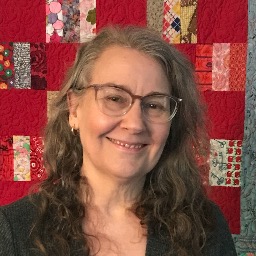
Cathryn Charette
LMFT
Licensed Marriage and Family Therapist - anxiety and relationships
License and NPI on record
- Credentials
- LMFT
- License
- LMFT, California · No. 126402
- NPI
- 1417531336
- Experience
- 5 years
- Languages
- English
- State
- California
As supplied to BetterHelp. A license can be checked with the state board, and an NPI with the national NPI registry.
- ACT
- CBT
- Attachment work
About Cathryn
Cathryn Charette is a Licensed Marriage and Family Therapist (LMFT) in California with five years of clinical experience. She focuses on stress, anxiety, relationship difficulties, trauma and abuse, grief, depression, addictions, LGBT concerns, family and parenting strains, and related issues including ADHD and self-esteem challenges.
She works from a humanistic perspective that centers a person's strengths and skills. Sessions aim to build self-awareness, clarify values, and strengthen the ability to make decisions that fit personal goals. Cathryn emphasizes mindfulness and learning healthier patterns of relating to others.
Her approach addresses attachment and boundary struggles that often come from early caregiving experiences. She talks with clients about building what some psychologists call earned security - greater self-esteem and more comfortable attachment after trauma or relationship wounds.
Cathryn draws on evidence-based methods such as Acceptance and Commitment Therapy (ACT), Cognitive Behavioral Therapy (CBT), Dialectical Behavior Therapy (DBT), Attachment-Based Therapy, and Client-Centered Therapy. She combines these approaches with practical strategies for coping with change, anger, and compulsive or avoidant patterns.
Clients can expect straightforward conversations about goals and steps to practice between sessions. Cathryn describes therapy as a place to learn clearer boundaries, better communication habits, and ways to manage distressing thoughts and behaviors. The emphasis is on concrete skills, increased insight, and gradual changes that fit everyday life.
How her approaches translate to online work
Acceptance and Commitment Therapy (ACT) helps people notice difficult thoughts and feelings while choosing actions that match their values. It is useful for anxiety, stuckness, and distressing habits. Cognitive Behavioral Therapy (CBT) focuses on identifying unhelpful thinking and testing it with small behavioral experiments, which can reduce worry and avoidance. Attachment-Based Therapy looks at patterns in relationships and helps people form clearer boundaries and more supported ways of relating to others.Choosing an approach is collaborative. Cathryn works with clients to see which methods fit their goals and comfort level. She will talk through options, try techniques, and adjust based on what helps most in day-to-day life.
Confirm current session options before booking so you know how sessions are offered. Online work can make it easier to fit therapy into a busy schedule, allow shorter check-ins when time is limited, and remove the need to travel to an office. For many people, remote sessions let them practice skills in real life between meetings and bring examples from home into session conversation. Licensed professionals adapt exercises and exposures to the online setting so clients can keep progressing without changing other parts of their routine.
Areas of expertise
Primary focus
Also works with
Additional focus areas
Therapeutic approaches
Experience
5+ years
Credentials
California
Languages
English
Frequently asked questions
What concerns does she address most often?
She works with stress, anxiety, relationship problems, trauma and abuse, grief, depression, addictions, LGBT issues, family and parenting concerns, ADHD, and self-esteem struggles.
What is her therapeutic style?
She uses a humanistic, strengths-based style that emphasizes mindfulness, self-awareness, and practical skills. Sessions combine talking, reflection, and exercises to practice between appointments.
How much clinical experience does she have?
She has five years of experience as a practicing clinician.
What are her credentials and where is she based?
She is an LMFT, a Licensed Marriage and Family Therapist, practicing in California.
Which languages are supported in sessions?
Sessions are offered in English.
Can people outside the United States work with her?
She does not accept international clients.
How are session formats arranged?
Confirm current session options before booking to learn which formats are available for scheduling.
How do I begin working with her?
Select the See online therapy options button, complete a short matching questionnaire, and schedule a first session.
Before you reach out
- Check that the state license on record covers the state you live in.
- If exposure and response prevention (ERP) or another method matters to you, ask whether and how this counselor uses it.
- You do not need to explain every thought or ritual at the start. One example is enough.
- A profile shows the topics a counselor lists; it is not a diagnosis or a promise of results.
If you feel unsafe right now, call or text 988, or call 911.