Counselor profile
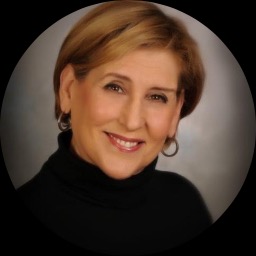
Dr. Carol Schwartz
MI Psychologist
MI Psychologist - OCD and Hoarding focus
License and NPI on record
- Credentials
- MI Psychologist
- License
- Psychologist, Michigan · No. 6301006806
- NPI
- 1982752150
- Experience
- 33 years
- Languages
- English
- State
- Michigan
As supplied to BetterHelp. A license can be checked with the state board, and an NPI with the national NPI registry.
- CBT
- Obsessions and compulsions
- Parenting support
About Carol
Dr. Carol Schwartz is a Michigan psychologist with 33 years of experience. She works with stress, anxiety, parenting concerns, coping with life changes, addictions, relationship issues, and mood difficulties including obsessions, compulsions, and OCD.
She keeps sessions clear and practical. Conversations focus on the specific problem brought in that day. She helps people break down worries into small steps and develop straightforward strategies to try between sessions.
Dr. Schwartz uses Cognitive Behavioral Therapy (CBT) in her work. That means she and the client look at thoughts, behaviors, and routines that keep a problem going. They then test small changes and notice what helps reduce worry or compulsive behavior.
She has worked with people who are new to therapy and those with many years of experience. Her background includes a wide range of concerns such as hoarding, panic, phobias, trauma, and sleep problems. She also lists aging and geriatric issues and autism among areas she has addressed.
Sessions aim to be practical and focused on change. Between appointments, clients may try behavioral experiments or short exercises to reduce checking, intrusive thoughts, or avoidance. Progress is tracked in simple ways so adjustments can be made if something is not helping.
Dr. Schwartz practices in Michigan and holds the credential MI Psychologist 6301006806. Sessions are conducted in English and organized through a subscription model that can be canceled at any time.
How CBT is used in remote sessions
Dr. Schwartz practices Cognitive Behavioral Therapy, a method that looks at the links between thoughts, feelings, and actions. In CBT a client learns to notice unhelpful thoughts and to test new behaviors in everyday life. This approach is often used for anxiety,panic attacks, obsessions and compulsions, and mood problems.Finding the right approach is part of the work together. She discusses goals and preferences with each person and adjusts methods based on what is effective. That makes the process collaborative instead of one-size-fits-all.
Specific session formats are not listed in the biography, so confirm the current online options before booking. Online work can make it easier to fit therapy into a busy life - for example, shorter check-ins can be scheduled during a lunch break, or quieter times can be chosen to practice exposures without a long commute. Therapists can also assign brief behavioral experiments or worksheets to try between sessions, which keeps progress moving even when life is busy.
Areas of expertise
Primary focus
Also works with
Additional focus areas
Therapeutic approaches
Experience
33+ years
Credentials
Michigan
Languages
English
Frequently asked questions
What concerns does she address most often?
She lists stress, anxiety, mood disorders, obsessions and compulsions, and hoarding among her main areas of work.
What is her therapeutic style?
She uses a practical, problem-focused style that breaks issues into small steps and tests changes between sessions.
How long has she been practicing?
She has 33 years of professional work experience as a Michigan psychologist.
What credential does she hold and where is she based?
She holds the credential MI Psychologist 6301006806 and practices in Michigan.
Which languages are supported in sessions?
Sessions are offered in English.
Can people outside the United States work with her?
International clients are not currently accepted.
How are sessions paid for?
Sessions use a subscription model that can be canceled at any time and costs vary with location.
How do I begin working with her?
Select the See online therapy options button, complete the short matching questionnaire, and schedule a first session.
Before you reach out
- Check that the state license on record covers the state you live in.
- If exposure and response prevention (ERP) or another method matters to you, ask whether and how this counselor uses it.
- You do not need to explain every thought or ritual at the start. One example is enough.
- A profile shows the topics a counselor lists; it is not a diagnosis or a promise of results.
If you feel unsafe right now, call or text 988, or call 911.