Counselor profile
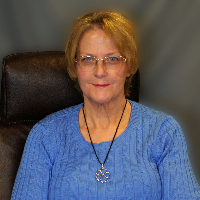
Carol Gross
LCSW
Licensed Clinical Social Worker - Stress and Anxiety
License and NPI on record
- Credentials
- LCSW
- License
- LCSW, Utah · No. 5633817-3501
- NPI
- 1811292998
- Experience
- 25 years
- Languages
- English
- State
- Utah
As supplied to BetterHelp. A license can be checked with the state board, and an NPI with the national NPI registry.
- ACT methods
- CBT tools
- Mindfulness practice
About Carol
Carol Gross is a Licensed Clinical Social Worker (LCSW) with 25 years of experience in Utah. She works with people who have stress, anxiety, depression, mood disorders, addiction, trauma, ADHD, OCD, autism spectrum concerns, grief, and related struggles. Carol writes plainly about facing pain and using what emerges from it to change behaviors.
She began professionally as a computer system analyst and later moved into behavioral health. That background shaped a practical style that blends data-minded thinking with human concerns. Carol uses Acceptance and Commitment Therapy (ACT) alongside other approaches to help people notice discomfort and make changes that match their values.
In sessions she focuses on what people want to do more of, and the patterns that get in the way. She describes exercises such as the ACT Matrix to help sort thoughts, urges, and actions into clearer steps. Mindfulness skills and behavior-focused techniques are used to increase flexibility in daily life.
Her work often targets everyday problems like sleep, eating, work stress, relationship strain, parenting demands, and coping with loss or change. She also addresses long-term concerns like chronic illness, caregiving stress, and co-occurring conditions that complicate recovery.
Carol aims to help people recognize what their pain is signaling and to find practical strategies to live through it. Sessions emphasize noticing, simple behavioral experiments, and building consistent practices that support clearer choices and steadier functioning.
How ACT, CBT and mindfulness fit into online work
Acceptance and Commitment Therapy (ACT) focuses on noticing thoughts and feelings and choosing actions that match personal values. It uses exercises that help people name unhelpful patterns and take small committed steps toward what matters. Cognitive Behavioral Therapy (CBT) breaks problems into thoughts, feelings, and behaviors and uses practical experiments to test and change patterns. Mindfulness Therapy teaches simple attention and grounding practices to reduce reactivity and improve focus.Finding the right mix of methods is part of the process. Carol will work with each person to decide which approaches to try first based on their priorities and what feels manageable. The tone is collaborative and stepwise, with attention to building skills a bit at a time.
The original biography does not list specific session formats, so confirm the available online options before booking. Online work can make it easier to fit sessions into a busy life - shorter check-ins on a quieter day, fewer trips, or scheduling around work and caregiving. Therapists can also assign brief at-home exercises to practice between meetings, which helps translate session work into daily behavior without promising a particular format.
Areas of expertise
Primary focus
Also works with
Additional focus areas
Therapeutic approaches
Experience
25+ years
Credentials
Utah
Languages
English
Frequently asked questions
What concerns does she commonly address?
She works with stress, anxiety, depression, mood disorders, addiction, trauma, ADHD, OCD, autism spectrum concerns, grief, and related life problems.
What approach does she use in sessions?
Her practice uses Acceptance and Commitment Therapy (ACT) plus CBT, DBT-informed skills, client-centered techniques, and mindfulness exercises.
How much clinical experience does she have?
She has 25 years of experience in behavioral health and related roles.
What are her credentials and where does she practice?
She is an LCSW licensed in Utah and practices from that state.
Does she offer sessions in other languages or to international clients?
Sessions are offered in English and she does not accept international clients.
What session formats are available?
The original biography does not list specific session formats; please confirm current online and in-person options before booking.
How does pricing work?
Cost varies with location and sessions use a subscription that can be canceled at any time.
How do I begin working with her?
Select the See online therapy options button, complete a short matching questionnaire, and schedule a first session.
Before you reach out
- Check that the state license on record covers the state you live in.
- If exposure and response prevention (ERP) or another method matters to you, ask whether and how this counselor uses it.
- You do not need to explain every thought or ritual at the start. One example is enough.
- A profile shows the topics a counselor lists; it is not a diagnosis or a promise of results.
If you feel unsafe right now, call or text 988, or call 911.