Counselor profile
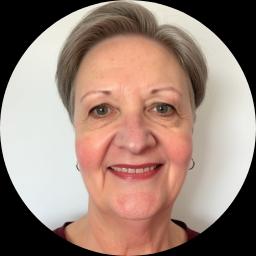
Carla Morris
LCPC
Illinois LCPC - Anxiety and Trauma
License and NPI on record
- Credentials
- LCPC
- License
- LCPC, Illinois · No. 180005036
- NPI
- 1972626471
- Experience
- 45 years
- Languages
- English
- State
- Illinois
As supplied to BetterHelp. A license can be checked with the state board, and an NPI with the national NPI registry.
- Cognitive Behavioral Therapy
- EMDR for trauma
- Attachment-based work
About Carla
Carla Morris is an Illinois Licensed Clinical Professional Counselor (LCPC) with 45 years of experience. She works with people who struggle with stress, anxiety, trauma and abuse, depression, ADHD, and the challenges of life transitions. Carla uses clear, practical methods to help clients reduce symptoms and regain day-to-day functioning.
She draws on cognitive behavioral techniques to address unhelpful thoughts and behaviors. She also uses attachment-based ideas to look at relationship patterns that affect mood and anxiety. Eye Movement Desensitization and Reprocessing (EMDR) is part of her approach for processing traumatic memories when appropriate.
Sessions focus on straightforward conversation, skill practice, and problem-solving. Clients can expect targeted strategies such as exposure planning, thought records, and communication skills depending on goals. The work is collaborative and paced to the person’s tolerance.
Across her long career Carla has helped people with issues linked to abandonment, attachment difficulties, adoption and foster care histories, aging concerns, autism spectrum traits, and caregiver stress. She also supports those managing body image, codependency, control issues, and sexual subculture questions including BDSM and kink.
Carla’s practice centers on practical steps that fit into daily life. She encourages small, measurable changes and reviews progress regularly. To begin, people complete a short matching questionnaire and schedule an initial session to set goals and decide next steps.
How her approaches translate to remote sessions
Carla often uses Cognitive Behavioral Therapy to help people identify and change unhelpful thoughts and behaviors. CBT includes activities such as thought records, behavioral experiments, and exposure planning that can be practiced between sessions to reduce anxiety and checking rituals.She also uses Attachment-Based Therapy to look at how early relationships shape current patterns of trust and closeness. This approach helps when relationship fears, abandonment concerns, or attachment wounds feed anxiety or avoidance. EMDR is another tool she applies for processing traumatic memories when that method seems appropriate for the person’s goals.
Choosing the right approach is part of the therapy process. Carla works with clients to decide which methods fit their needs and comfort level. That choice is revisited as progress is made so the plan can shift when useful.
The biography does not list specific session formats, so confirm the available online options before booking. Many people find remote sessions easier to fit into a workday, allow shorter check-ins when needed, or avoid travel time. Talk with her during the first appointment about session length, frequency, and practical arrangements to make therapy work alongside daily life.
Areas of expertise
Additional focus areas
Therapeutic approaches
Experience
45+ years
Credentials
Illinois
Languages
English
Frequently asked questions
What kinds of problems does she help with most often?
She helps people with stress, anxiety, trauma and abuse, depression, ADHD, and coping with life changes. Additional areas include attachment issues, abandonment, caregiver stress, and related concerns.
What therapeutic approaches does she use?
Her work draws on Cognitive Behavioral Therapy, Attachment-Based Therapy, and EMDR among other methods. She picks tools based on each person’s needs and goals.
How long has she been practicing?
She has 45 years of professional experience in mental health practice. That experience includes work with trauma, anxiety, and mood concerns.
Where is she licensed and based?
She is an Illinois LCPC and practices in Illinois. Sessions and services are provided under that licensure.
Can I work with her if I live outside the United States?
Sessions are offered in English and she is not accepting international clients. Working with people outside the U.S. is not supported.
What session formats are available?
Confirm current session options before booking as formats are not specified in the biography. Please check the platform’s scheduling details to see what is offered.
How does payment work?
Cost varies with location. Sessions use a subscription model that can be canceled at any time.
How do I start working with her?
Select the See online therapy options button, complete a short matching questionnaire, and schedule your first session. That initial appointment is used to set goals and plan next steps.
Before you reach out
- Check that the state license on record covers the state you live in.
- If exposure and response prevention (ERP) or another method matters to you, ask whether and how this counselor uses it.
- You do not need to explain every thought or ritual at the start. One example is enough.
- A profile shows the topics a counselor lists; it is not a diagnosis or a promise of results.
If you feel unsafe right now, call or text 988, or call 911.