Counselor profile
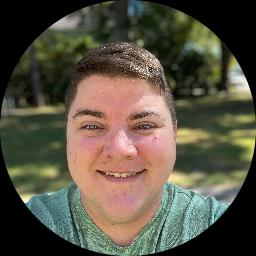
Cadyn Burnside
LCSW, LISW-CP
LCSW LISW-CP - Anxiety and trauma-focused
License and NPI on record
- Credentials
- LCSW, LISW-CP
- License 1
- LISW-CP, South Carolina · No. 14110
- License 2
- LISW, Iowa · No. 88939
- License 3
- LCSW, Pennsylvania · No. CW024305
- NPI
- 1356846877
- Experience
- 8 years
- Languages
- English
- State
- South Carolina
As supplied to BetterHelp. A license can be checked with the state board, and an NPI with the national NPI registry.
- CBT techniques
- DBT skills
- Mindfulness practices
About Cadyn
Cadyn Burnside is a Licensed Clinical Social Worker (LCSW) and Licensed Independent Social Worker-Clinical Practice (LISW-CP) in South Carolina with eight years of professional experience. He works with people facing stress, anxiety, LGBT-related concerns, trauma and abuse, anger, depression, and related challenges. Cadyn writes straightforwardly and focuses on practical steps people can use right away.
He begins by listening to a person's story and identifying strengths they already have. Sessions include clear goals and small, manageable steps. He uses methods that help people notice patterns, test new behaviors, and reduce symptoms that interrupt daily life.
Cadyn blends client-centered work with cognitive-behavioral techniques to address unhelpful thinking and repetitive behaviors. Dialectical behavior therapy skills are used for emotional regulation and distress tolerance. Attachment-based ideas guide work on relationship patterns and trust issues.
He also incorporates mindfulness practices to slow down intense reactions and build moment-to-moment awareness. This combination fits people who want concrete tools and real-world practice between sessions. Cadyn pays attention to how past experiences shape present behavior and helps people try different responses.
People considering therapy are asked to complete a short matching questionnaire and schedule a first session. The practice uses a subscription model that can be canceled at any time and session fees vary by location. Sessions are conducted in English and international clients are not accepted.
How Cadyn applies therapeutic methods online
Cadyn commonly uses Cognitive Behavioral Therapy and Dialectical Behavior Therapy when working with intrusive thoughts, compulsive checking, or difficulty letting go. CBT focuses on identifying unhelpful thoughts and testing new behaviors in everyday situations. DBT offers concrete skills for managing intense emotions, tolerating distress, and improving how people respond under pressure.He also draws on attachment-based ideas to look at how past relationships affect current patterns. That perspective helps when trust, closeness, or abandonment fears fuel repetitive rituals. Choosing which approach to emphasize is a collaborative process; he will discuss options and agree on goals and homework based on the person's needs and preferences.
Confirm the current session formats before booking, as the original biography does not list specific online formats. In general, online sessions can make it easier to fit short check-ins or regular work into a busy life, reduce travel time, and allow practice in real-world settings between meetings. Therapists and licensed professionals can adapt exposure tasks, behavioral experiments, and DBT skills training to remote appointments to keep progress practical and manageable.
Areas of expertise
Primary focus
Also works with
Additional focus areas
Therapeutic approaches
Experience
8+ years
Credentials
South Carolina, Iowa, Pennsylvania
Languages
English
Frequently asked questions
What kinds of problems does he help with most often?
Covers stress, anxiety, LGBT concerns, trauma and abuse, anger, depression, addictions, relationship and family issues, grief, and related areas.
What approach does he use in sessions?
Combines client-centered listening with Cognitive Behavioral Therapy and Dialectical Behavior Therapy skills, plus attachment-based ideas and mindfulness practice.
How long has he been practicing?
He has eight years of professional experience as a social work clinician.
What are his credentials and where does he practice?
Holds LCSW and LISW-CP credentials and practices in South Carolina.
Which languages are supported?
Sessions are offered in English only.
Can people outside the US work with him?
International clients are not currently accepted.
How are sessions paid for?
Sessions use a subscription model that can be canceled at any time and fees vary with location.
How do I begin a first session?
Select the See online therapy options button, complete a short matching questionnaire, and schedule your initial session.
Before you reach out
- Check that the state license on record covers the state you live in.
- If exposure and response prevention (ERP) or another method matters to you, ask whether and how this counselor uses it.
- You do not need to explain every thought or ritual at the start. One example is enough.
- A profile shows the topics a counselor lists; it is not a diagnosis or a promise of results.
If you feel unsafe right now, call or text 988, or call 911.