Counselor profile
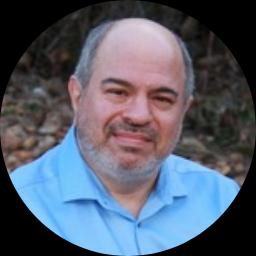
Brian Zayman
LCSW
LCSW - Anxiety and Relationship concerns
License and NPI on record
- Credentials
- LCSW
- License 1
- LCSW, North Carolina · No. C010825
- License 2
- LCSW, Nevada · No. 10339-C
- License 3
- LCSW, Connecticut · No. 58.015049
- NPI
- 1760696256
- Experience
- 26 years
- Languages
- English
- State
- North Carolina
As supplied to BetterHelp. A license can be checked with the state board, and an NPI with the national NPI registry.
- OCD and hoarding focus
- Client-Centered Therapy
- Internal Family Systems
About Brian
Brian Zayman is a Licensed Clinical Social Worker (LCSW) practicing in North Carolina with 26 years of experience. He works with adults on problems such as stress, anxiety, depression, trauma and relationship struggles. He also addresses addictions, anger, self-esteem, coping with life changes, and related concerns.
He uses straightforward conversation and invites clients to set clear goals. Sessions involve looking at patterns in thoughts and behavior, naming what gets in the way, and testing new ways of responding. He encourages clients to track progress and to take an active role in planning sessions.
Brian draws on several approaches including client-centered methods, narrative work, psychodynamic ideas, solution-focused techniques, and Internal Family Systems. That mix helps him shift stuck patterns, unpack difficult experiences, and improve decision-making. He describes his style as open and direct and welcomes questions about the process.
He has worked in many settings over his career and has experience with interpersonal conflict, grief, vocational stress, and adjustment after major life events. He sees individuals age 18 and over and also works with couples when that fits the concern.
If someone is dealing with attachment wounds, abandonment fears, body image concerns, caregiving stress, or complex co-occurring problems, he offers practical skills alongside deeper exploration. Prospective clients are asked to complete a short matching questionnaire and schedule a first session to begin.
How his approaches translate to online sessions
Brian often draws on client-centered methods and Internal Family Systems in session. Client-centered work focuses on the client's goals and experience, using open questions and reflection to clarify what matters most. Internal Family Systems looks at different parts of a person's inner world - the worried part, the critical part, the protective parts - and helps those parts communicate and cooperate to reduce distress.He also uses solution-focused techniques to build small, practical changes between sessions. That approach zeroes in on what would be different if problems were reduced and then tests short experiments to create those changes. Together these approaches let sessions move between immediate problem-solving and deeper exploration of long-standing patterns in a collaborative way.
Finding the right mix of methods is part of the work. The therapist will discuss goals, preferences, and what has or hasn't helped before, then suggest an approach to try. If it doesn't fit, adjustments are made together based on progress and feedback.
Session formats should be confirmed before booking since the biography does not list specific online options. Online work can make it easier to fit appointments into a busy week, allow shorter check-ins when needed, and remove travel time so more consistent work is possible.
Areas of expertise
Primary focus
Also works with
Additional focus areas
Therapeutic approaches
Experience
26+ years
Credentials
North Carolina, Nevada, Connecticut
Languages
English
Frequently asked questions
What kinds of problems does he help with most?
He works with stress, anxiety, depression, trauma and relationship problems, plus addictions, anger, self-esteem, and coping with life changes.
What is his therapeutic approach like?
He uses client-centered conversation alongside narrative, psychodynamic, solution-focused and Internal Family Systems ideas to identify patterns and try new responses.
How much clinical experience does he have?
He has 26 years of professional experience working in a variety of settings with adults and couples.
What credentials and location are listed?
He is an LCSW licensed in North Carolina and practices from North Carolina.
Which languages are sessions offered in?
Sessions are offered in English.
Can people outside the country work with him?
He does not accept international clients at this time.
How are fees handled?
Cost varies with location and sessions use a subscription that can be canceled at any time.
How do I begin working with him?
Select the See online therapy options button, complete a short matching questionnaire, and schedule a first session.
Before you reach out
- Check that the state license on record covers the state you live in.
- If exposure and response prevention (ERP) or another method matters to you, ask whether and how this counselor uses it.
- You do not need to explain every thought or ritual at the start. One example is enough.
- A profile shows the topics a counselor lists; it is not a diagnosis or a promise of results.
If you feel unsafe right now, call or text 988, or call 911.