Counselor profile
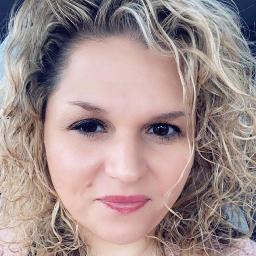
April Balzhiser
LCPC
Licensed Clinical Professional Counselor - OCD and hoarding focus
License and NPI on record
- Credentials
- LCPC
- License
- LCPC, Illinois · No. 180007972
- NPI
- 1235408188
- Experience
- 18 years
- Languages
- English
- State
- Illinois
As supplied to BetterHelp. A license can be checked with the state board, and an NPI with the national NPI registry.
- Client-Centered Therapy
- Cognitive Behavioral Therapy
- Mindfulness Therapy
About April
April Balzhiser is a Licensed Clinical Professional Counselor (LCPC) in Illinois with 18 years of experience. She lists stress, anxiety, relationship and family concerns, trauma and abuse, depression, addictions, grief, intimacy-related issues, self-esteem, bipolar-related concerns, and coping with life changes among the issues she supports. April also notes work around compassion fatigue and coaching.
April uses straightforward conversation to help people manage symptoms and day-to-day challenges. She draws on client-centered methods to focus on the person's priorities. She also uses cognitive behavioral techniques and elements of dialectical behavior therapy to teach concrete skills for mood and behavior change.
Her background includes long experience in social services and mental health settings. That work involved domestic violence, sexual assault, child welfare and foster care, trauma, and family issues. These experiences inform how she frames problems and plans next steps with each person.
Sessions emphasize practical steps and skills practice rather than long theoretical talks. Expect discussions that identify unhelpful patterns, practice new responses, and build coping strategies for stress, grief, or relationship strain. Mindfulness and motivational interviewing are available tools she may introduce when they fit the goal.
April aims to work collaboratively on goals and action plans. She invites people to complete a short intake questionnaire and schedule a first session to begin discussing fit and next steps.
Therapeutic approaches and how online work can fit
April frequently uses cognitive behavioral therapy, which focuses on identifying unhelpful thoughts and changing behaviors through step-by-step practice. CBT is often used for anxiety, mood concerns, and compulsive patterns. She also draws on client-centered therapy, which centers the conversation on the person's goals and priorities so sessions stay relevant and practical. Dialectical behavior therapy skills may be introduced to teach emotion regulation, distress tolerance, and interpersonal effectiveness.Choosing the right mix of approaches is a collaborative process. April will work with each person to decide which methods match their goals, preferences, and current challenges. This means experimenting with techniques, checking progress, and shifting methods if something does not fit.
The biography does not list specific session formats, so please confirm current session options before booking. Online work can make it easier to fit therapy into busy lives by reducing travel time and allowing shorter check-ins when needed. It can also let someone use audio-only check-ins when lower bandwidth or less screen time is preferable. Ask about format options during the intake so sessions can be structured to match daily routines and practical constraints.
Areas of expertise
Primary focus
Also works with
Additional focus areas
Therapeutic approaches
Experience
18+ years
Credentials
Illinois
Languages
English
Frequently asked questions
What kinds of problems does she help with?
She supports people dealing with stress, anxiety, relationship and family concerns, trauma and abuse, depression, addictions, grief, intimacy-related issues, self-esteem, bipolar-related concerns, and coping with life changes.
How does she approach therapy?
She uses a client-centered approach alongside cognitive behavioral techniques and dialectical behavior therapy skills to focus on practical steps and skills practice.
How much experience does she have?
She has 18 years of experience in social services and mental health settings working with trauma, domestic violence, child welfare, and family issues.
What are her credentials and where is she based?
She is an Illinois Licensed Clinical Professional Counselor (LCPC) practicing in Illinois.
Which languages are supported?
Sessions are offered in English.
Can she work with people outside the United States?
International clients are not currently accepted.
How are sessions paid for?
Cost varies with location; sessions use a subscription that can be canceled at any time.
How do I begin working with her?
Select the See online therapy options button, complete a short matching questionnaire, and schedule a first session.
Before you reach out
- Check that the state license on record covers the state you live in.
- If exposure and response prevention (ERP) or another method matters to you, ask whether and how this counselor uses it.
- You do not need to explain every thought or ritual at the start. One example is enough.
- A profile shows the topics a counselor lists; it is not a diagnosis or a promise of results.
If you feel unsafe right now, call or text 988, or call 911.